
Taking a Safari in Tanzania: The Ultimate Guide + Top Tours
From the legendary Serengeti, where big cats prowl, to the misty forests of the Udzungwa Mountains, this guide covers everything you need to help plan the ultimate safari in Tanzania.
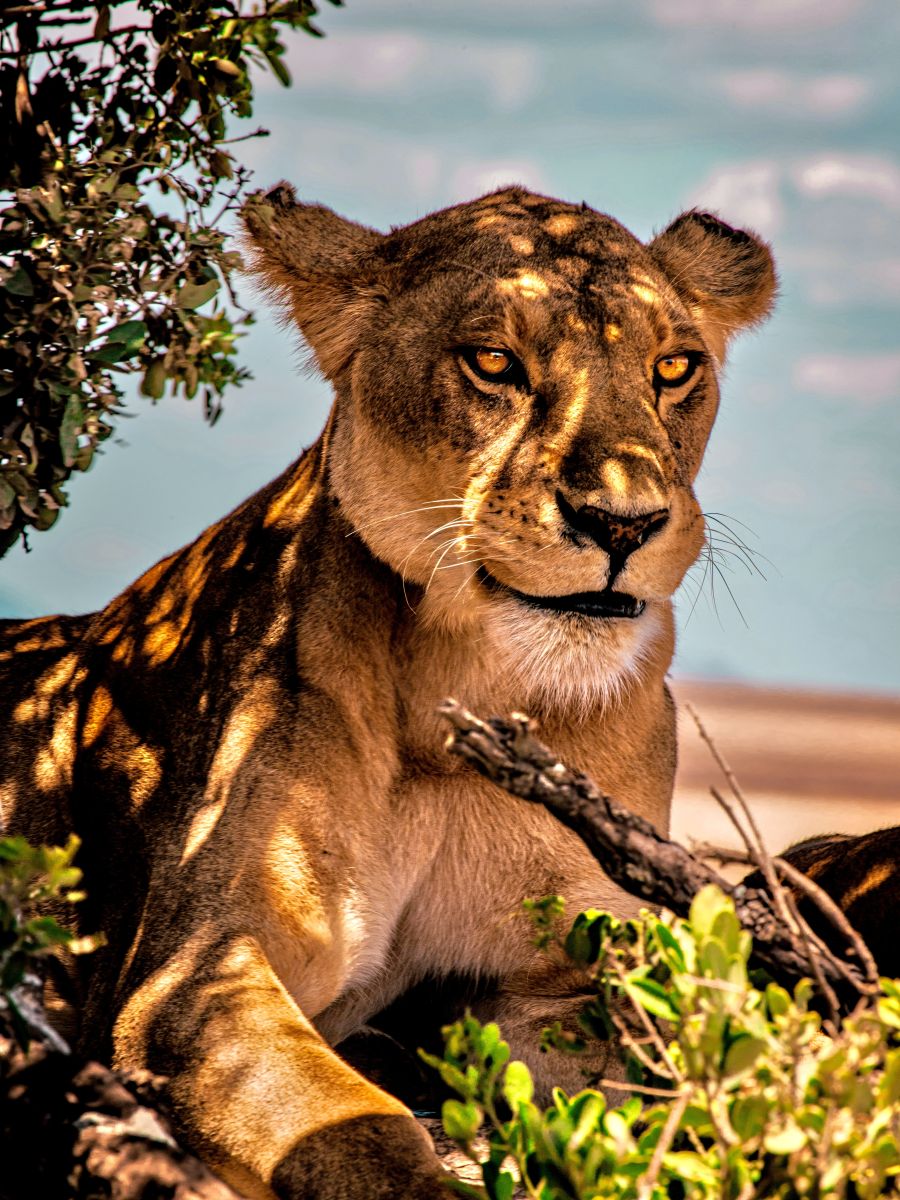
Tanzania is a land of extraordinary contrasts – the golden savannah stretching endlessly toward the horizon, the rhythmic drumming of hooves as a million wildebeest migrate across the plains, and the quiet, watchful gaze of a lion hidden in the tall grass.
Venture to the shores of Lake Manyara and walk among the treetops, where birds and monkeys flit through ancient canopies, or escape into the remote wilderness of Mikumi, where tree-climbing lions reign supreme. This is Africa at its most raw and breathtaking.
The Northern Circuit
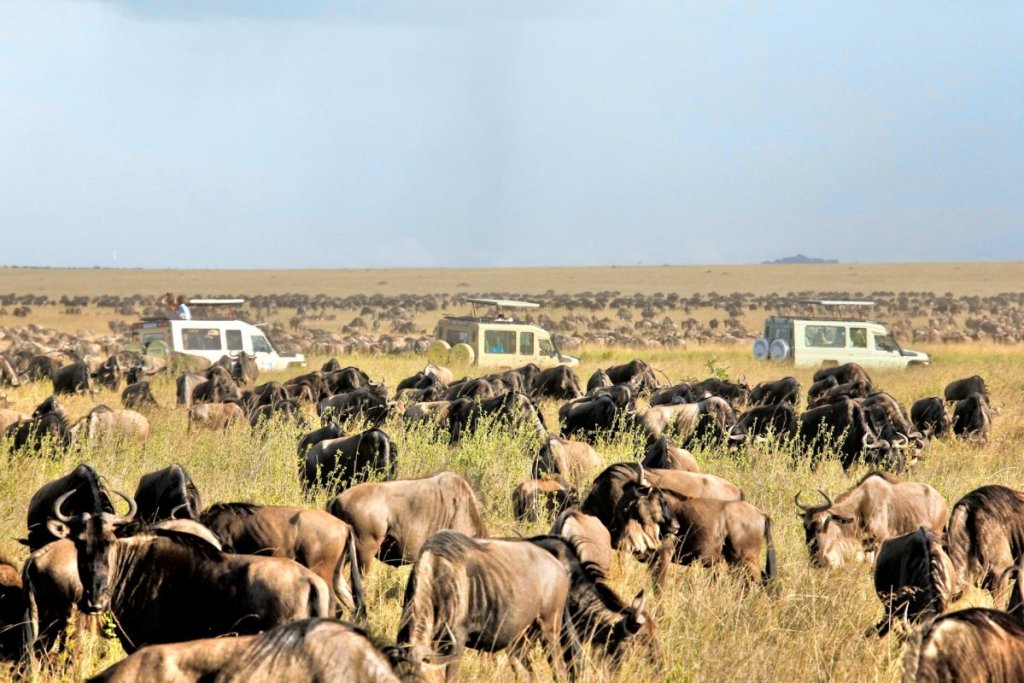
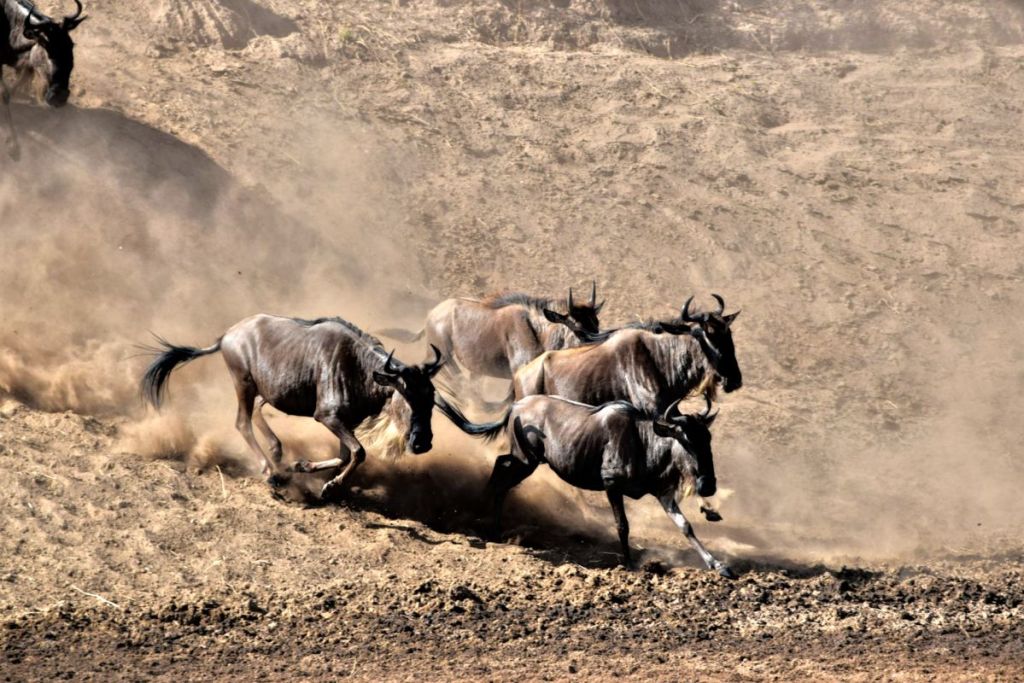
For first timers seeking an unforgettable safari experience, there’s nowhere better than Tanzania’s Northern Circuit. This area is most famous for the Serengeti’s mesmerising Great Migration, where thousands of wildebeest, zebras, and gazelles amble across the dusty plains in search of food and water in the Maasai Mara.
If you want to spot the Big 5 – lions, elephants, leopards, rhinos, and buffalos – you’ll find them all in the Northern Circuit. You’ll also be able to spot numerous bird species perched in trees or teetering around watering holes. This area provides a truly comprehensive safari experience, home to ecosystems of forests, savannahs, lakes, and wetlands.
Not sure where to start? This classic Tanzania safari is a great way to dip your toes into the water – it takes you to the Serengeti, Tarangire National Park, Ngorongoro Crater, and more.
Serengeti National Park
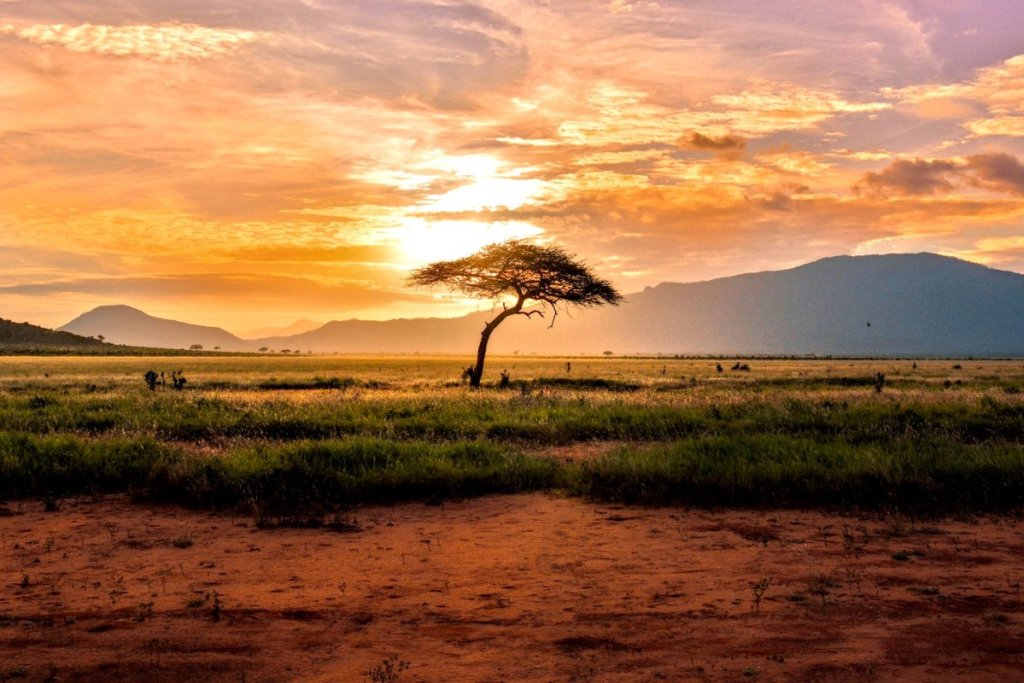
The Serengeti National Park is arguably the most iconic safari destination in Tanzania. It’s great place for safari newbies to begin their adventure. The Serengeti’s landscape is as diverse as its wildlife – made up of endless savannah plains, acacia woodlands, riverine forests, and grassy hills, all framed by the distant Ngorongoro Highlands.
Visitors here will likely spot four of the Big 5 lounging under acacia trees, grazing in the grasslands, or retreating in the wooded regions. Rhinos are rarer in the Serengeti, but you might see them in the more remote parts of the park.
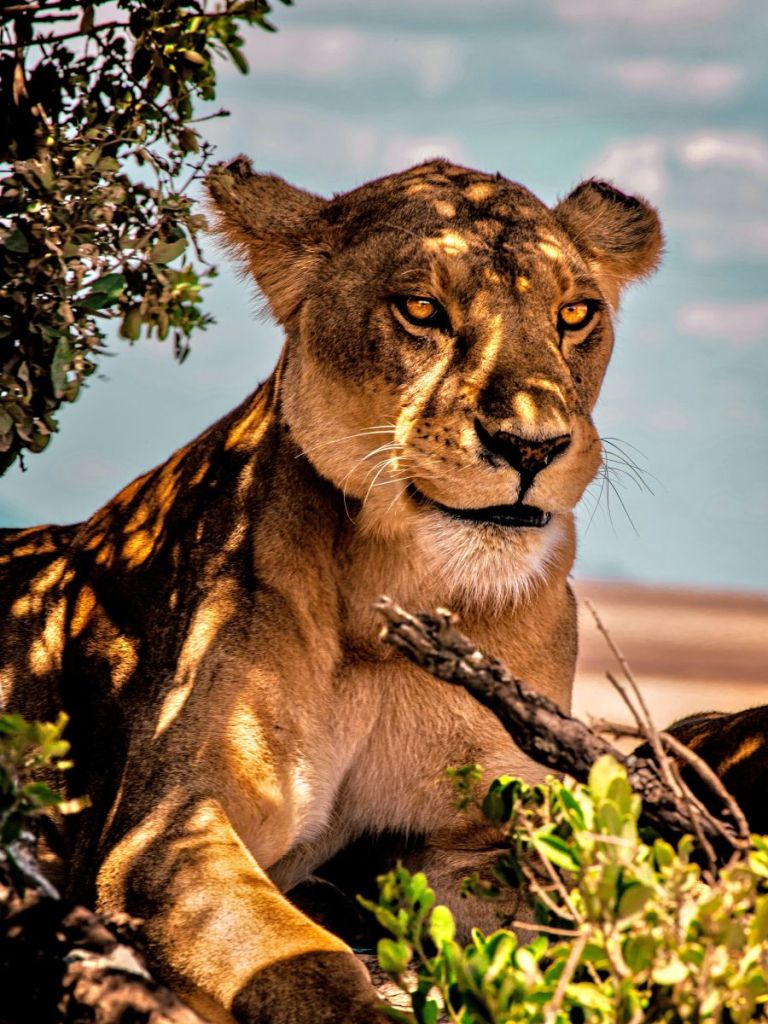
But that’s not all: the park is home to cheetahs, hyenas, and numerous types of gazelle. Rivers like the Grumeti and Mara cut through the park and provide watering holes for the wildlife. These areas are great for spotting predators like crocodiles, lions, and hyenas.
The Serengeti is most famous for the Great Migration, which sees over 1.5 million wildebeest and 250,000 zebras on their annual journey across the park. This migration is driven by the search for fresh grazing land and water, and it offers one of the most dramatic wildlife spectacles in the world, particularly when the herds cross crocodile-infested rivers.
If you’re short on time, this is a great 5-day tour which allows you to spot the Great Migration in action.
Ngorongoro Crater
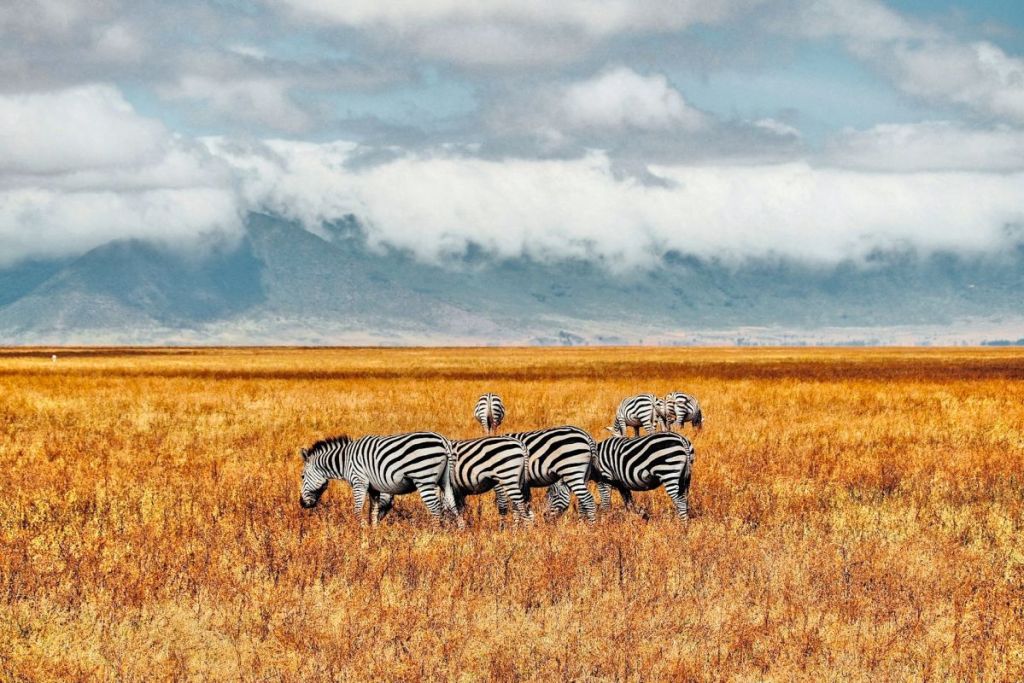
Often dubbed the “Eighth Wonder of the World,” Ngorongoro Crater is a geological marvel inside the Ngorongoro Conservation Area, a UNESCO World Heritage Site. It also just so happens to be a Big 5 hotspot.
The Ngorongoro Crater is the world’s largest inactive, intact, and unfilled volcanic caldera, formed millions of years ago when a massive volcano erupted and collapsed. The result is a stunning, bowl-shaped depression filled with lush grasslands and lakes. AKA a haven for its remarkable concentration of wildlife.
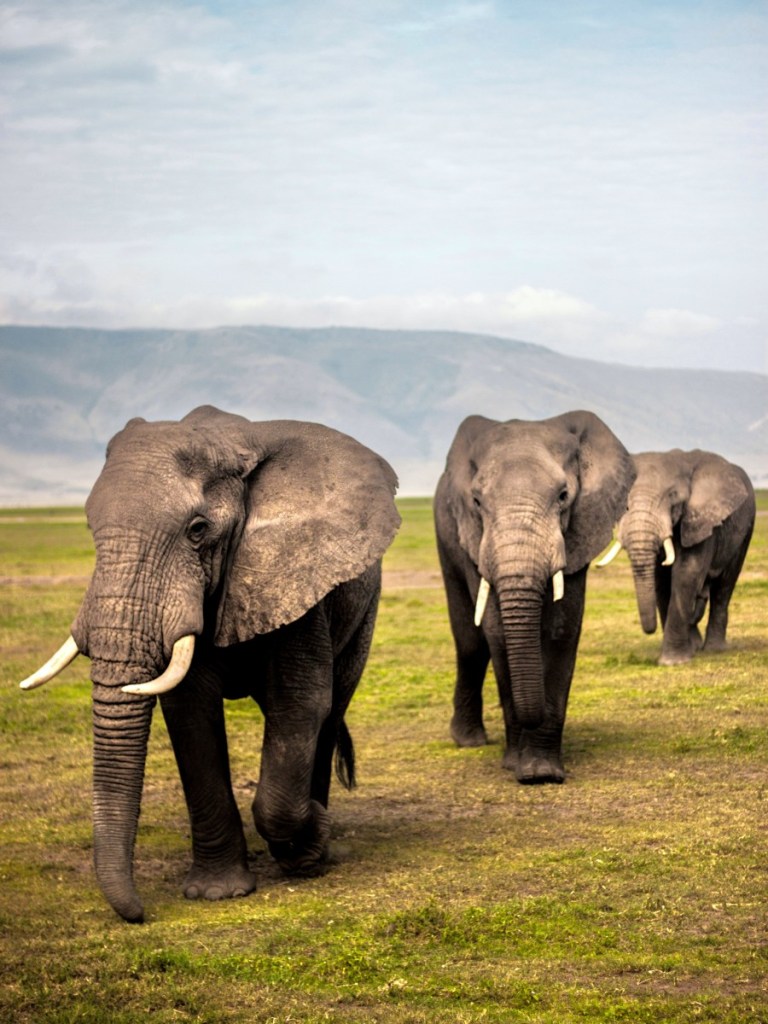
Some lodges offer Crater Rim Hikes so you can admire the landscape from above – it’s like peering inside a fishbowl. The craggy walls of the caldera help to trap animals, so there’s excellent game-viewing opportunities year-round.
The Ngorongoro area is fascinating for cultural immersion, too. The area is home to members of the indigenous Maasai people, with many tours offering respectful visits to their village.
Tarangire National Park
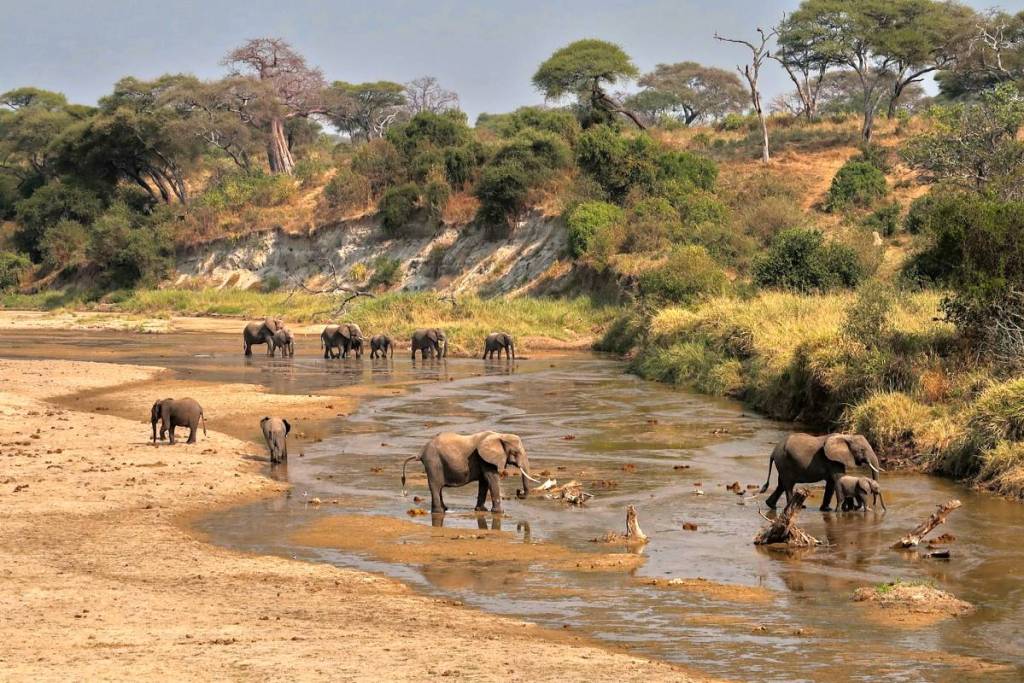
Tarangire National Park might be overshadowed by the likes of the Serengeti, but it’s a wildlife wonderland in its own right. Located near Arusha, the park can be explored in just one day. Or extend your trip and travel further inside Tarangire.
Tarangire is also well-known for its majestic baobab trees, often referred to as the “upside-down trees” due to their distinctive appearance. These ancient trees have huge, swollen trunks and thick branches that give them an otherworldly look.
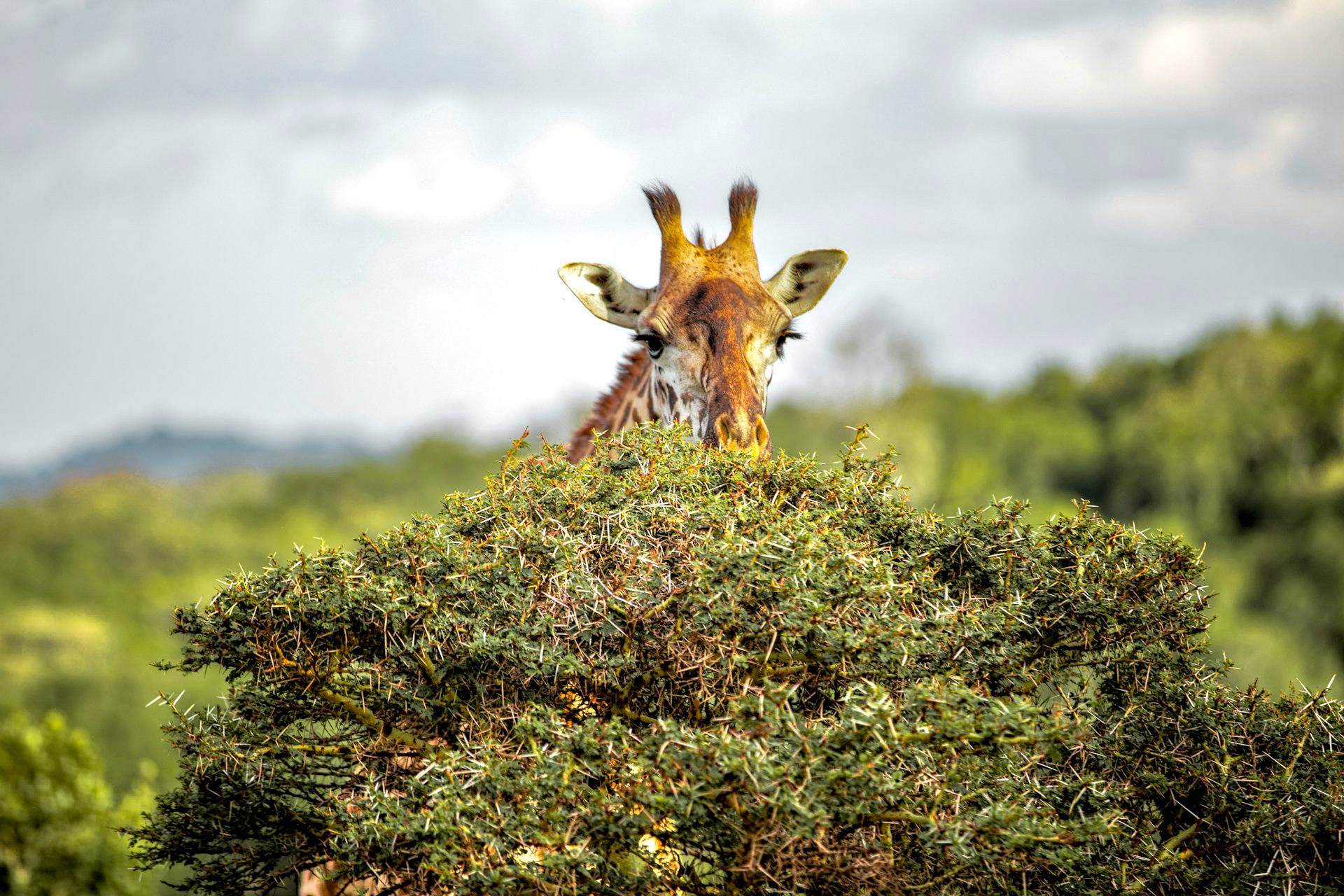
You’ll encounter a wide variety of herbivores in Tarangire, including giraffes, zebras, buffaloes, wildebeest, topis, and impalas. The park is also known for its great kudu and waterbucks. Plus there are monkeys in abundance: baboons are commonly seen in Tarangire, often in large troops, and you may also spot olive baboons and vervet monkeys.
Lake Manyara National Park
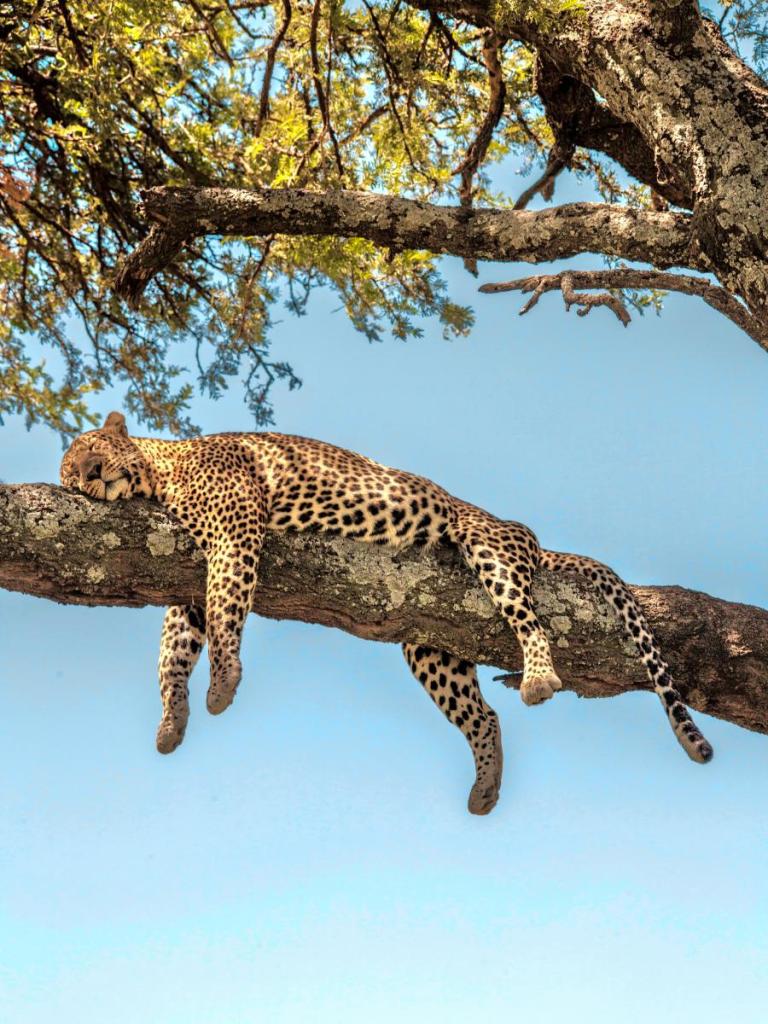
Lake Manyara National Park is where wildlife and adventure meet perfectly. Situated at the base of the Great Rift Valley, the park is known for its impressive landscape and unique attractions, including Tanzania’s first treetop walkway.
This 370-metre-long series of suspension bridges allows visitors to wander among the forest canopy. At the end of each bridge, viewing decks built around tree trunks provide the perfect place to spot birds and maybe even a cheeky monkey or two.
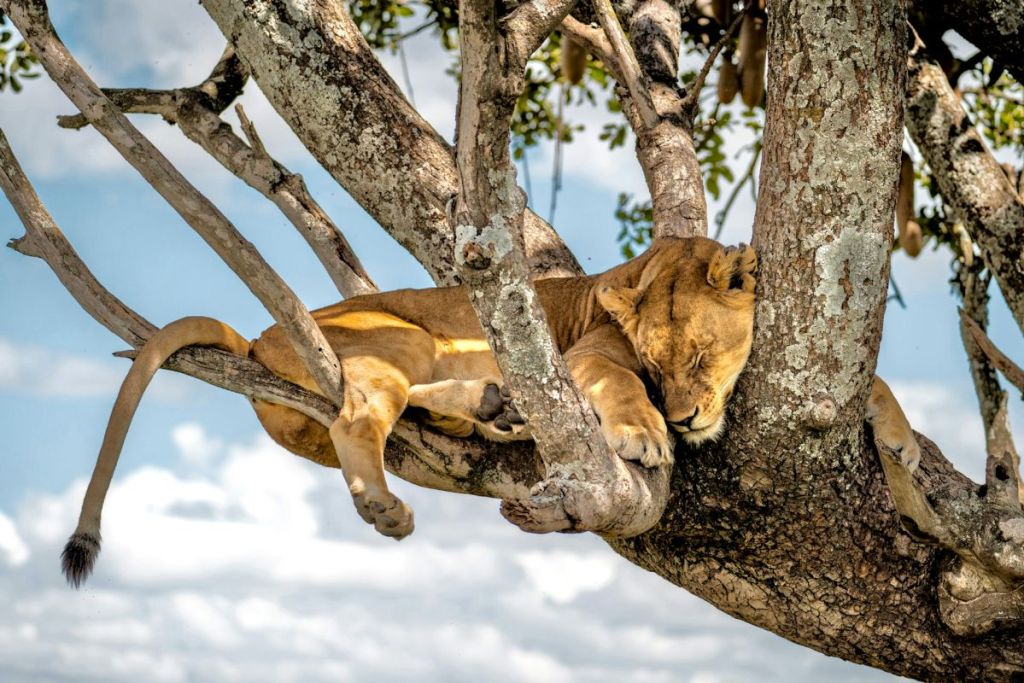
Beyond the treetop walkway, Lake Manyara is famous for its diverse habitats, ranging from dense forests to open grasslands and the shimmering alkaline lake itself. The park is home to tree-climbing lions and large elephant herds, usually seen roaming near the lake’s edge.
Arusha National Park
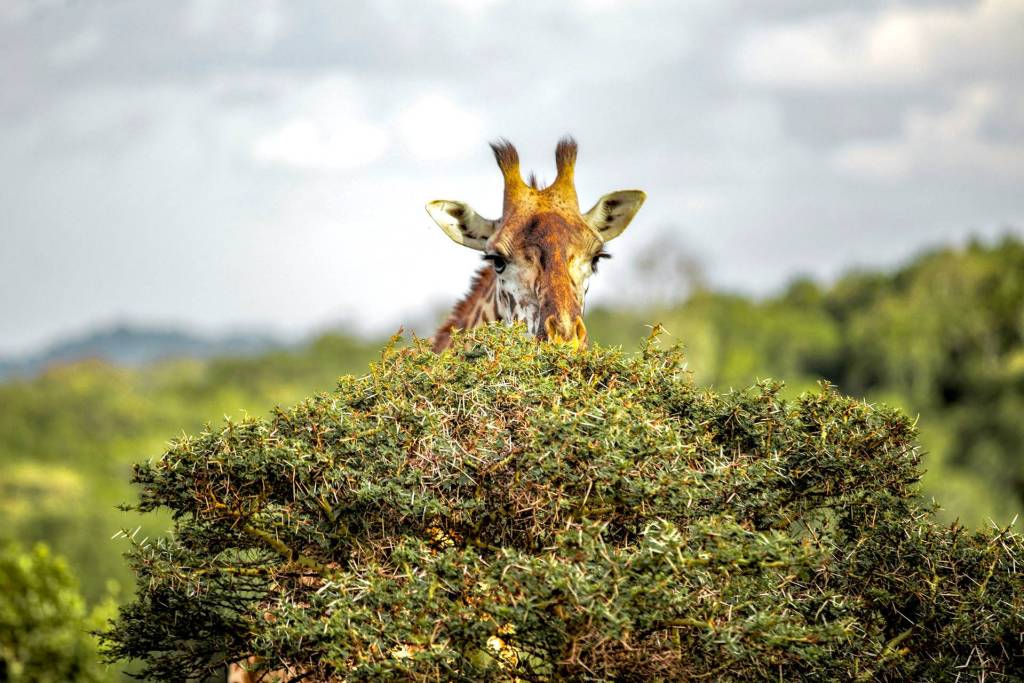
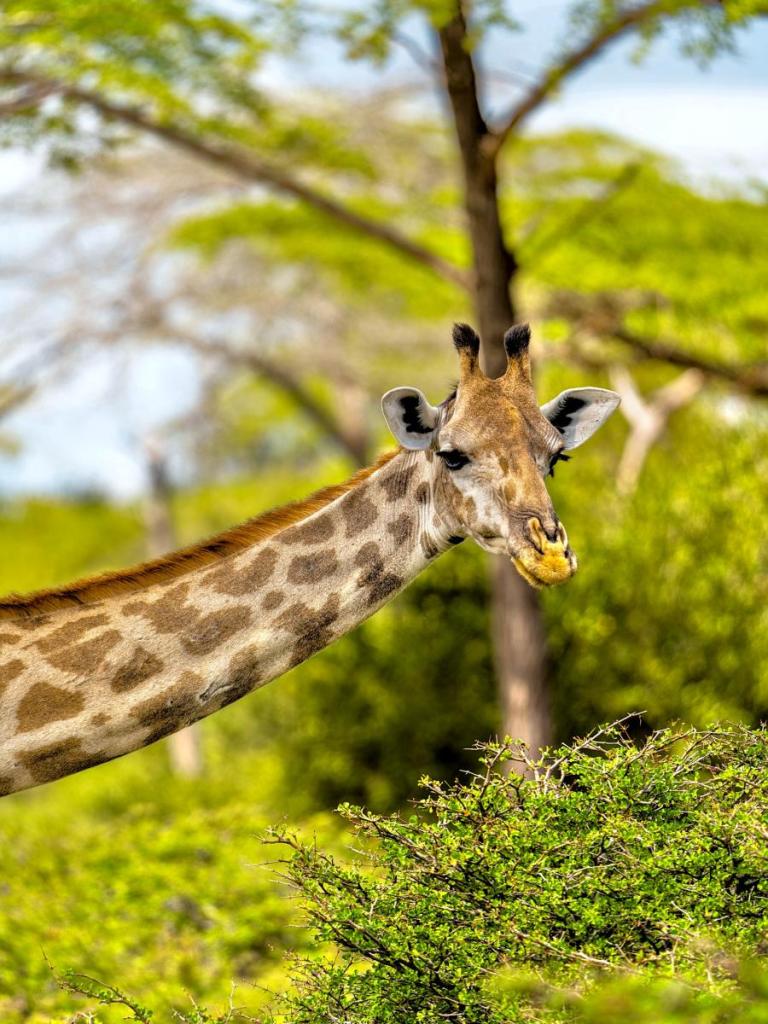
Often overlooked, Arusha National Park is home to the world’s largest population of giraffes. Ngurdoto Crater – smaller but no less mighty than Ngorongoro Crater – sits at the centre of this national park. Adorable dik-diks can be seen leaping into the bush, as can hyenas, buffalos, and zebras.
You can also head out on a walking safari here, or test your limits by climbing Mount Meru (if you’re not brave enough to trek Mount Kilimanjaro). The rare black and white Colobus monkeys can also be found here. For a truly special experience, hop into a canoe and head on safari in Small Momella Lake.
The Southern Circuit
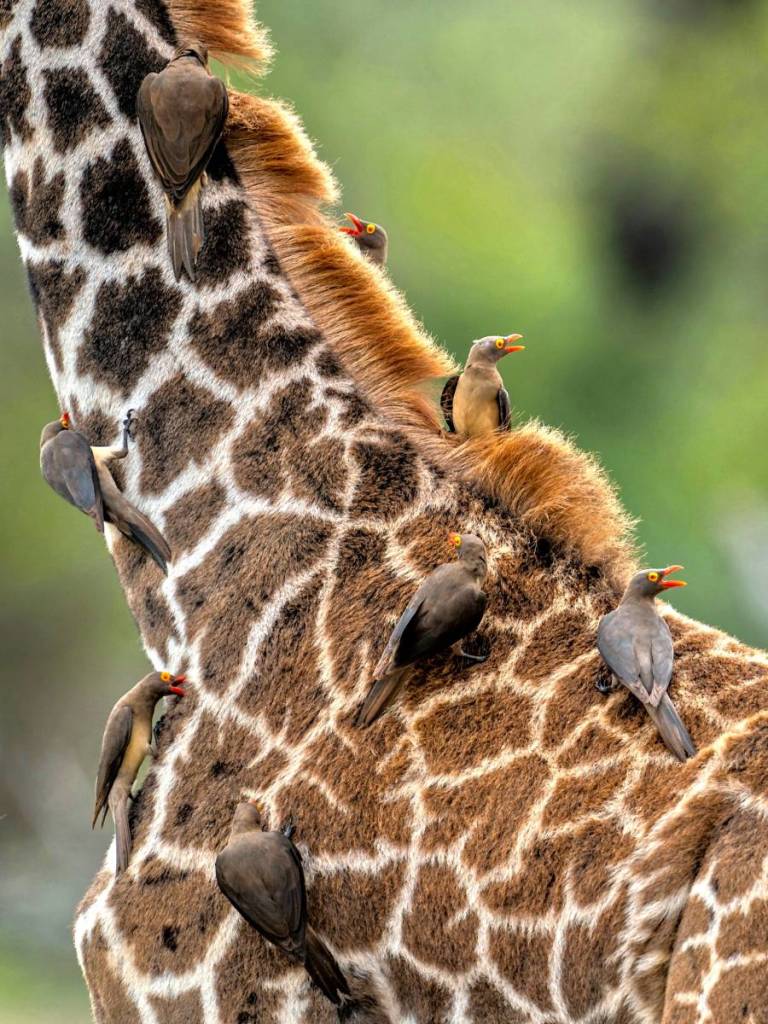
The Southern Circuit is a remote and less crowded option for the more adventurous safari-goer. Though it boasts equally dramatic landscapes, it has far less traffic than in the Northern Circuit.
From the vast plains of Ruaha National Park to the wilderness of Nyerere National Park (formerly Selous Game Reserve), this region offers a more intimate and authentic safari experience. This bumper 11-Day Southern Circuit tour covers all our favourite spots in Southern Tanzania and is a great introduction to this part of the country.
Nyerere National Park
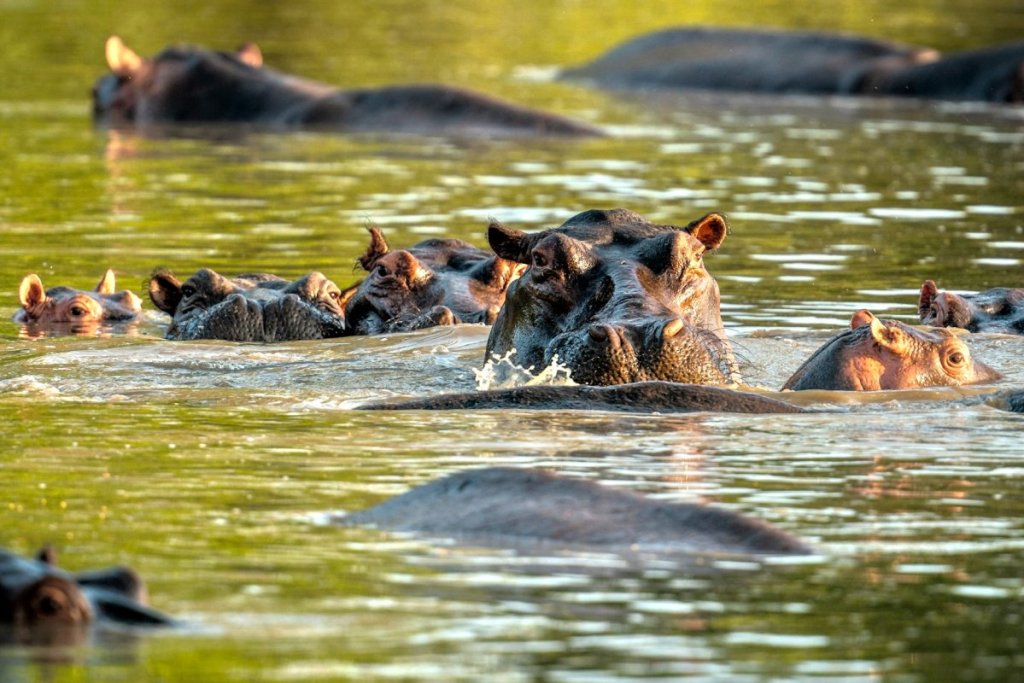
Formerly Selous Game Reserve, Nyerere National Park is one of the most compelling reasons to head out on a Southern Circuit safari. The park centres around the Rufiji River – a crucial resource for the wildlife that reside there – and its maze of tiny islands.
The park boasts a striking variety of landscapes, from open savannahs and woodlands to dense riverine forests and swamps along the Rufiji River. The wetland ecosystems support a unique range of species, making it one of the most ecologically diverse parks in Africa.
Nyerere is also one of the few places where walking safaris are possible, allowing you to explore the bush and learn about the smaller, but just as fascinating, creatures that would normally startle at the sound of an engine. Among these are around 440 different bird species.
Mikumi National Park
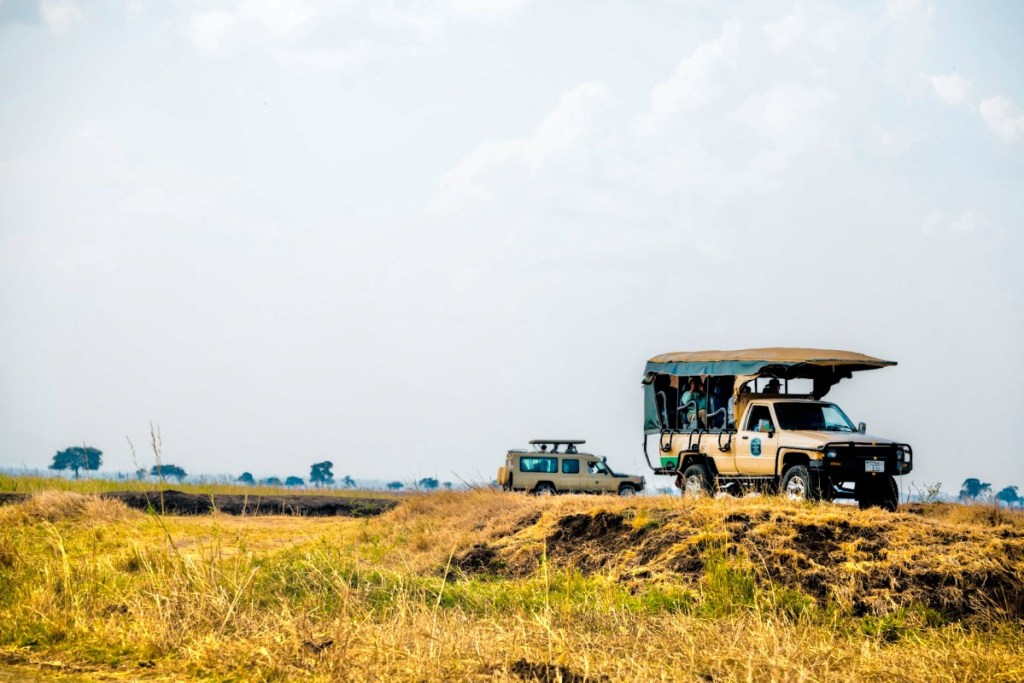
One of the biggest draws of Mikumi National Park is how easy it is to reach from Daar Es Salaam, the country’s capital. This baby Serengeti is home to the Big 5 and just as beautiful as its counterpart, with considerably less footfall. This means you get an equally-impressive experience (in some cases, we’d argue better), sans the large crowds.
The park features vast, open grasslands, reminiscent of the Serengeti, providing excellent wildlife viewing opportunities. Mikumi is particularly famous for its tree-climbing lions, which are also found in Lake Manyara National Park.
Another highlight is Mikumi’s hippo pools, where visitors can easily observe these massive creatures wallowing in the water. These pools also attract water birds, crocodiles, and other wildlife, so don’t forget your camera!
Udzungwa Mountains National Park
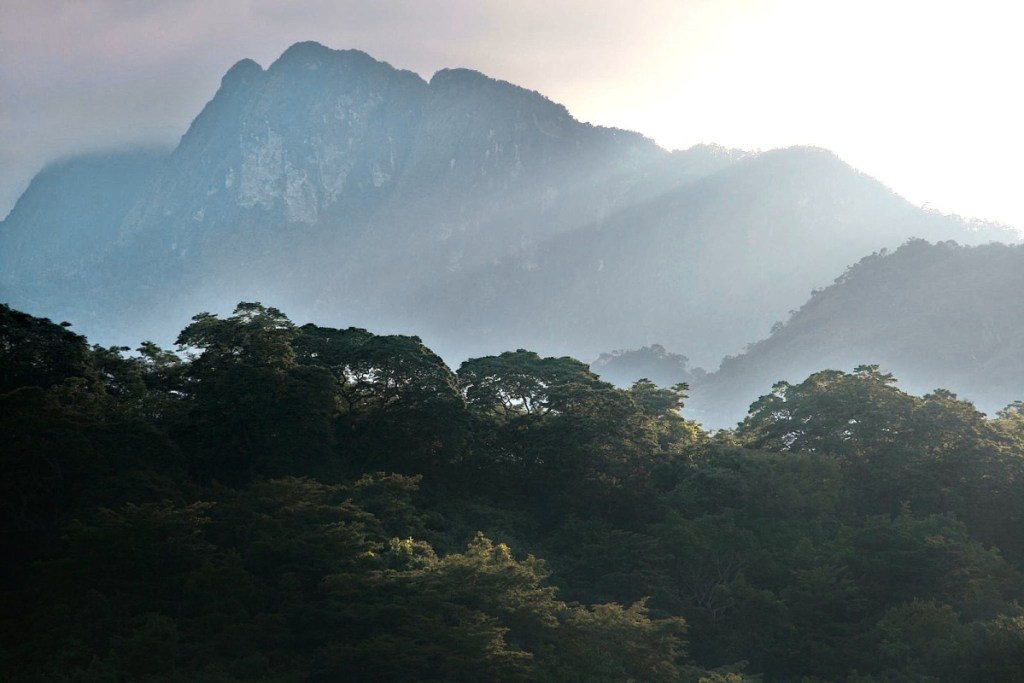
In stark contrast to Tanzania’s more famous savannah parks, Udzungwa Mountains National Park is a lush, biodiversity-rich paradise. Located in the southeastern part of the country, this park is often referred to as the “African Galápagos” due to its extraordinary levels of endemic wildlife and plant species.
Udzungwa is renowned for its rich biodiversity, particularly its abundance of primates and birdlife. Some of the park’s most notable residents include the Sanje Mangabey – a rare monkey species that was only discovered in the 1970s and is found exclusively in this region – and the Udzungwa Red Colobus, a strikingly beautiful, red-furred monkey.
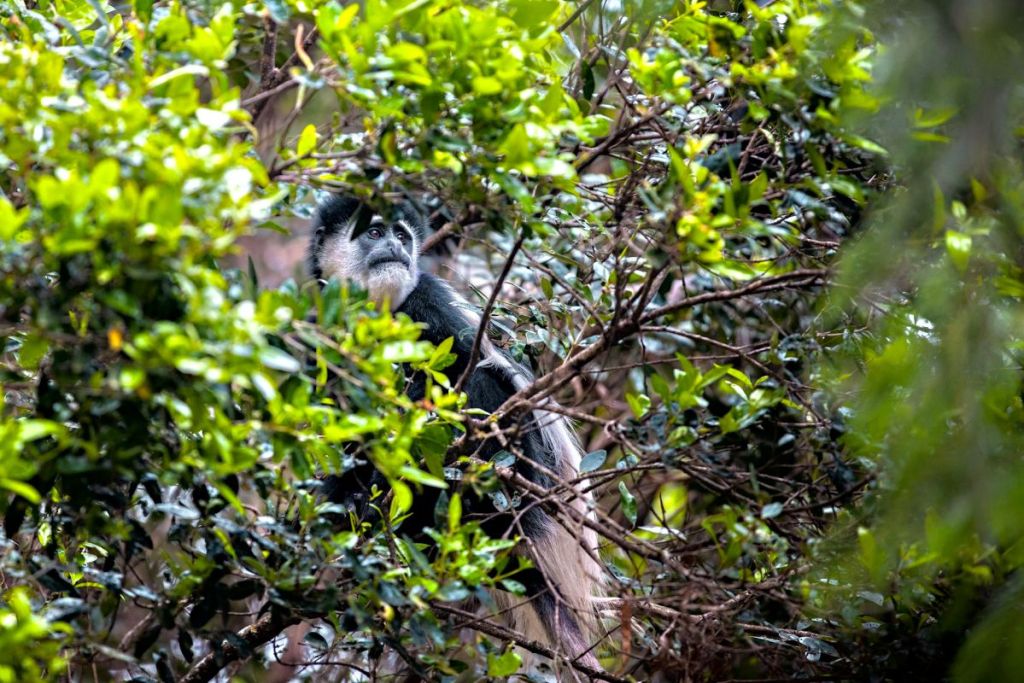
The only way to access this park is on foot; guided hikes range from one hour (the Sonjo Journey) to six days (the Lumemo Trail). The Sanje Waterfalls is another famous trek, with the falls providing a cool respite from the unrelenting heat.
Udzungwa National Park borders Mikumi National Park, so combining a trip to both is a great option – we recommend this tour.
Ruaha National Park
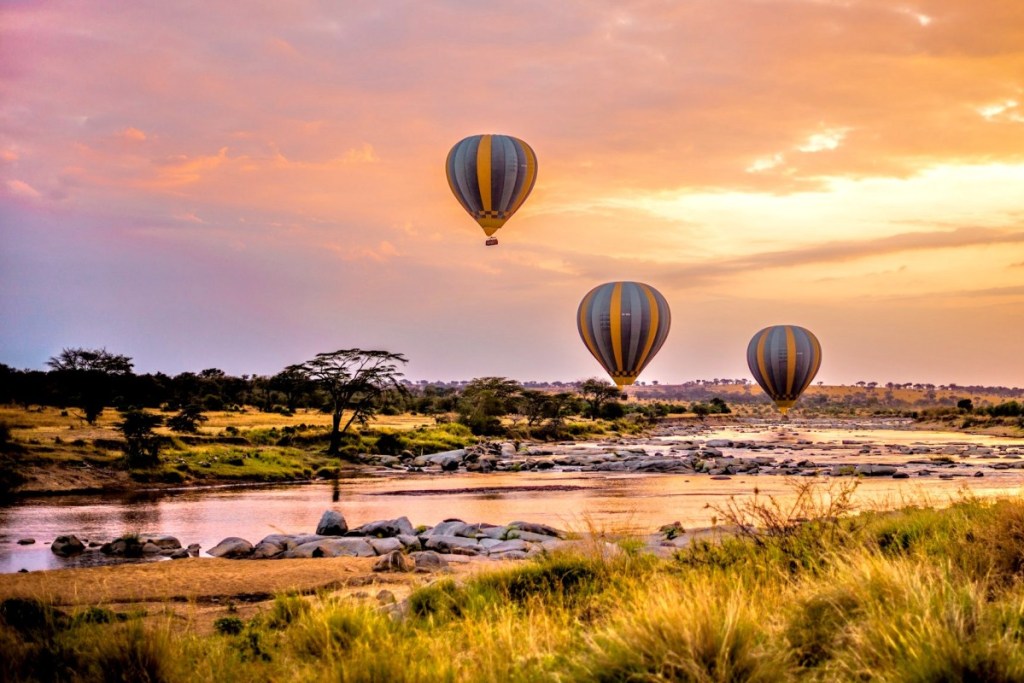
Although located more centrally, Ruaha National Park forms part of Tanzania’s Southern Circuit, stretching across 7,809 square miles. It’s the largest national park in Tanzania, and sits among some of the most giant in Africa.
The park’s icon is the winding Ruaha River, a magnet for wildlife – of which you’ll see plenty of lions, rare African wild dogs, and herds of elephants. The park might be undisturbed without swathes of tourists, but the large number of predators here means there’s always an exciting show. Plus, hot air balloon rides and night safaris with thermal cameras are particular highlights in Ruaha National Park.
Travel Tip
If you’re interested in photography and want to head on a night safari, avoid using flash on your camera as it can disturb the animals.
Best Time to Go On Safari in Tanzania
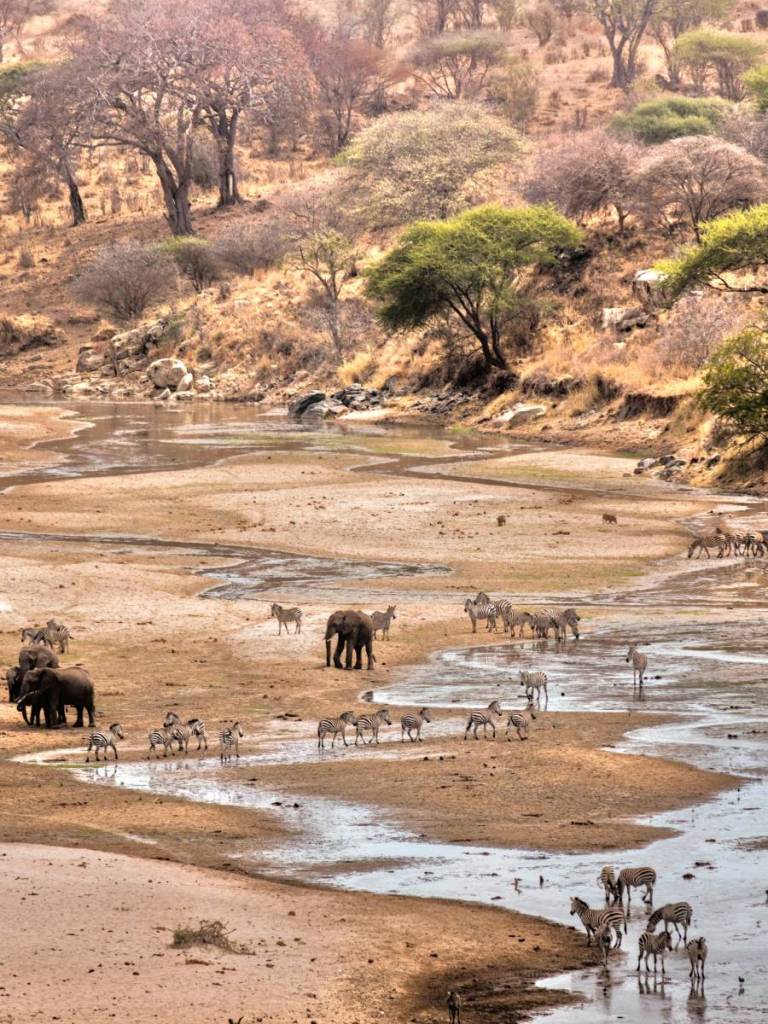
The best time to visit Tanzania depends on what you want to see. In general, June to October (the dry season) is best for visiting the Serengeti – and spotting the Great Migration – and Ngorongoro Crater. This is the peak season, so it tends to be more crowded but the payoff is worth it, we think.
November to May is known as the Green Season and best for those looking for a (slightly more) budget-friendly experience and to go bird watching. The roads can get particularly muddy towards the end of this season, which isn’t ideal for first-time visitors after a flawless experience.
Northern Circuit vs Southern Circuit: Which is Best?
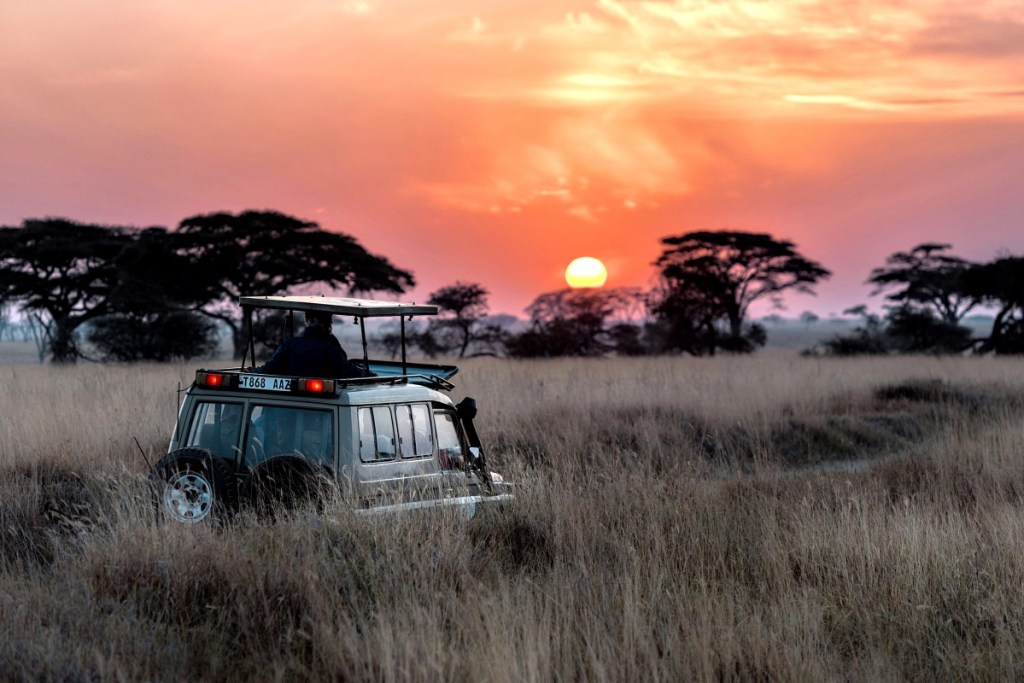
It can be overwhelming deciding between the two areas. The Northern Route is ideal for first timers after a quintessential safari experience. If you want to spot the Big 5, go for the Northern Circuit. Likewise, if you’re taking a shorter trip and want to pack in as many of the big hitters as possible, opt for the Northern Circuit.
The Southern Circuit is a more rugged, laidback escape for those who have already been on a “classic” safari and fancy a fly-in or walking safari. There are less crowds and it’s generally cheaper, so could be ideal for those on a tighter budget. The Southern Circuit is still home to incredible wildlife but there’s less chance of spotting the Big 5.
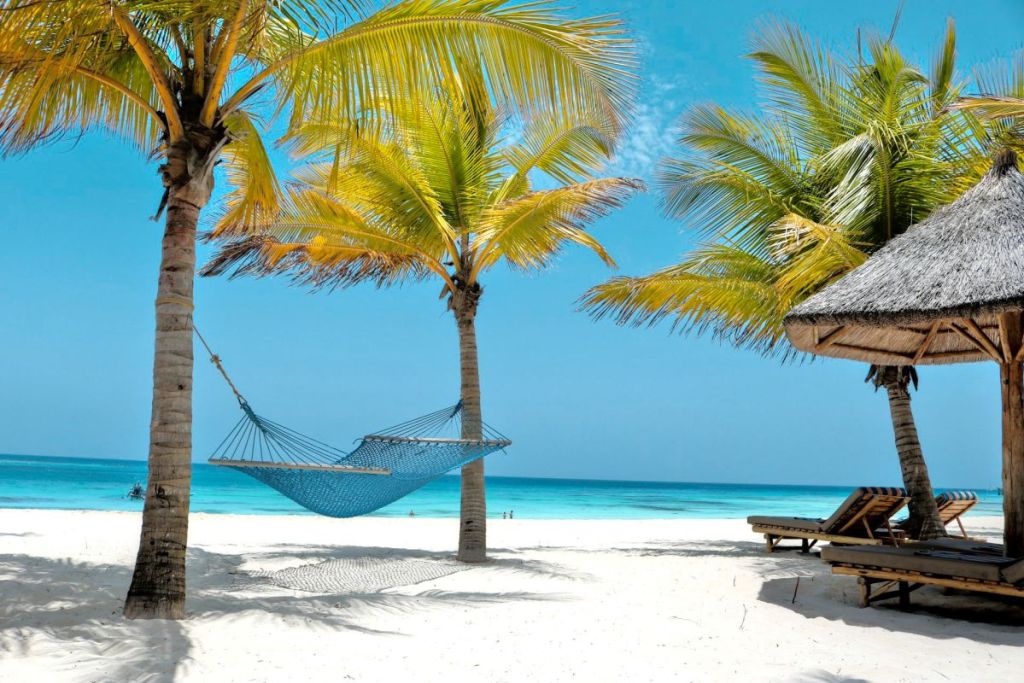
If you truly cannot decide between the two circuits, it’s possible to book tours that cover both. We recommend this two-week Tanzania fly-in safari or this incredible trip that includes a stay in Zanzibar. Because there’s no better way to finish your adventure than with a beach day, right?
Travel Tip
Don’t skip Zanzibar – you can access this tiny island by ferry from Dar Es Salaam (it’s included in some tours). The island is a paradise for snorkelling and relaxation, plus the historic Stone Town is home to some of Tanzania’s most impressive resorts.
Is Tanzania Safe?
Tanzania is safe for tourists to visit, particularly for those on guided tours and package deals. Zanzibar generally is slightly more dangerous in terms of petty theft, but as long as you are sensible you should have no issues.
It is possible to catch Malaria in Tanzania – make sure you take preventative medication and use insect repellent. Yellow Fever vaccine is only required if you are traveling from (or transiting through) a country with a risk of yellow fever transmission (such as Kenya, Uganda, Rwanda, or most of West Africa).
How Much Does a Tanzanian Safari Cost?
The cost of a Tanzanian safari depends on the length of your trip, parks visited, types of accommodation, and the time of year. Visit the Southern Circuit in the shoulder season (March, June, November) for the best deals. Here’s a general price breakdown:
Type of Safari | Northern Circuit (Serengeti, Ngorongoro Crater, Tarangire) | Southern Circuit (Nyerere, Ruaha, Mikumi) |
|---|---|---|
Budget Safari (camping, large group) | $150 – $250 per person/day | $120 – $200 per person/day |
Mid Range (lodges, private guide) | $250 – $600 per person/day | $120 – $200 per person/day |
Luxury Safari (high end lodges, fly-in safari) | $700 – $2,500+ per person/day | $600 – $2,000+ per person/day |
Park Fees | $70 – $83 per day (Ngorongoro is the most expensive) | $50 – $70 per day |
While there are no set rules for tipping in Tanzania, you are expected to tip your safari guides. After all, they work extremely hard to protect both you and the animals out in the national parks. The general consensus is $8-$10 per day for guides and drivers.
Where to Stay in Tanzania
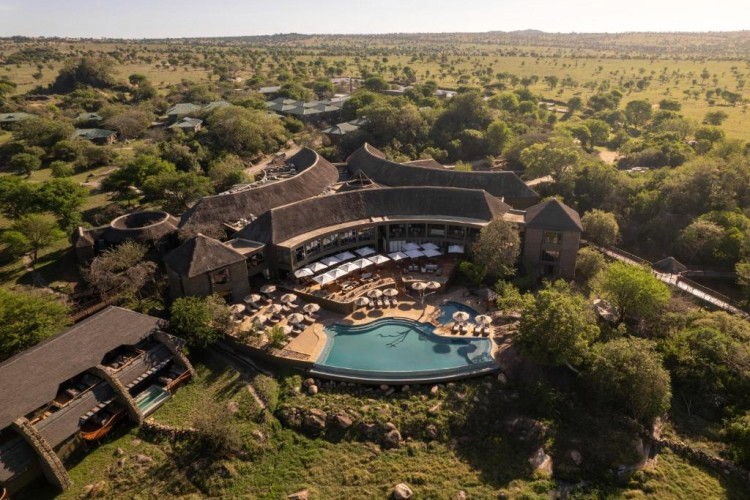
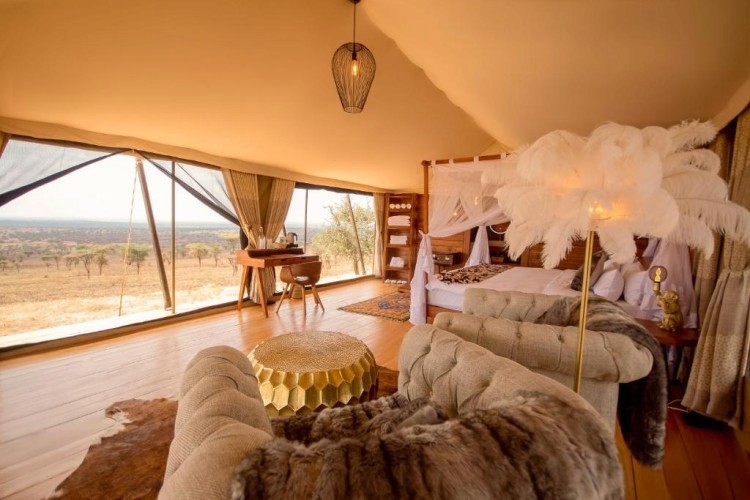
Choosing where to bed down in Tanzania can be a mammoth challenge. If you’re booking a longer safari, it’s likely that your accommodation will be included (but make sure you double check). Accommodation can range from make-do camps in the middle of the bush to all-out luxury hotels with private pools and expansive views, depending on your budget.
If, however, you’re booking your itinerary separately, you will need to choose your own accommodation. In that case, we have some recommendations: you won’t go wrong with the stunning Meliá Serengeti Lodge, nor the opulent Tarangire Treetops Lodge. Or, for something a little more unique, Beho Beho is an impressive family-run spot.
What to Bring on Safari in Tanzania
The most important things to remember are your travel documents, vaccine records, and your anti-malaria tablets. Bring plenty of local cash (Tanzania Shilling) and USD, as cards are not accepted in more rural areas.
Sure, safaris might not be a fashion show, but what you wear is important. Pack light, neutral-coloured clothing for adventure. Not only does this help you blend into nature (and avoid startling the animals) but it also helps keep you cool underneath the blazing midday sun.
Other useful items are binoculars, a portable charger, a camera (with extra batteries!), and a flashlight. Plus, sunscreen and insect repellent are non-negotiables.
