
A Guide to Ngorongoro Crater: The World’s Most Impressive Natural Amphitheatre
Head to Ngorongoro Crater to witness Africa’s majesty against a backdrop of lush plains and volcanic landscapes.
It’s safe to say a visit to Ngorongoro Crater should be on your bucket list – this giant impression is located in northern Tanzania, not far from the Kenyan border. This UNESCO World Heritage Site is one of the most remarkable natural wonders in the world.
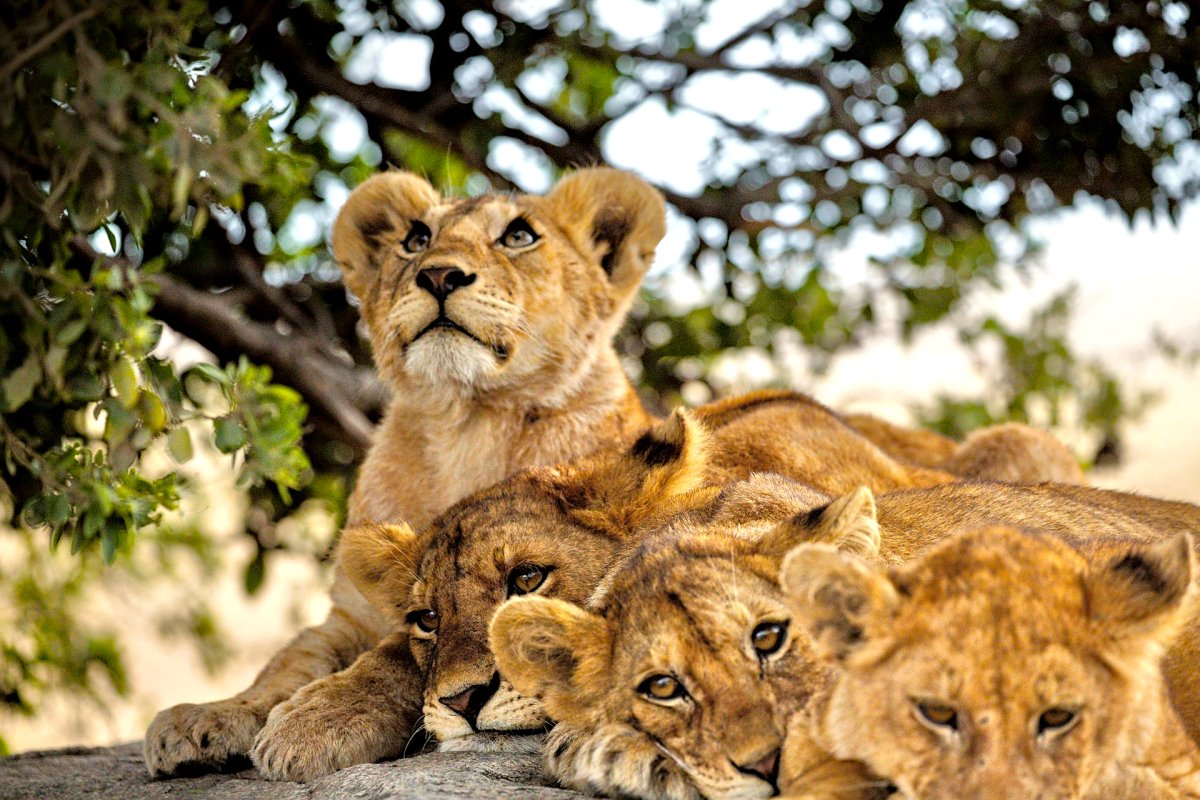
Dive deep into the crater and you’ll find a cacophony of wildlife: the Big 5, zebras, plentiful birds, and more. It’s truly an unmissable stop on any Tanzania safari. Don’t believe us? Check it out for yourself.
What is the Ngorongoro Crater?
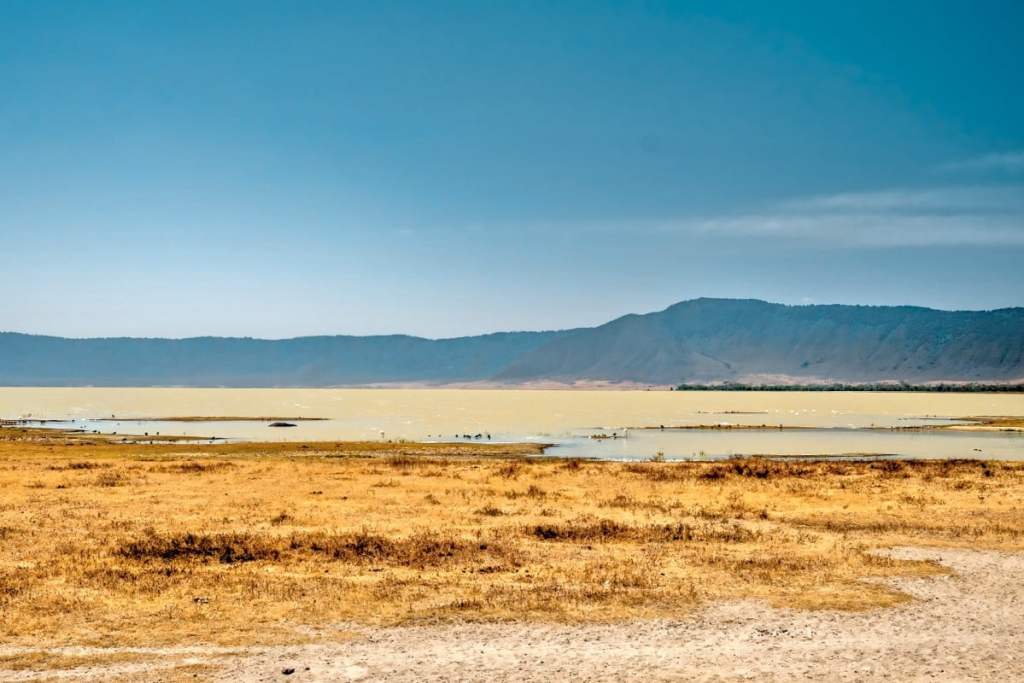
Let’s get technical. Ngorongoro Crater is a massive volcanic caldera (indent) located in northern Tanzania, on the border of the Serengeti, within the Ngorongoro Conservation Area. It was formed around 2-3 million years ago when a massive volcano – estimated to have been taller than Mount Kilimanjaro – erupted and collapsed in on itself.
Over 25,000 large animals roam the crater floor, including lions, elephants, leopards, buffalo, and the elusive black rhino. It remains one of the continent’s best spots to glimpse these critically endangered creatures in their natural habitat.
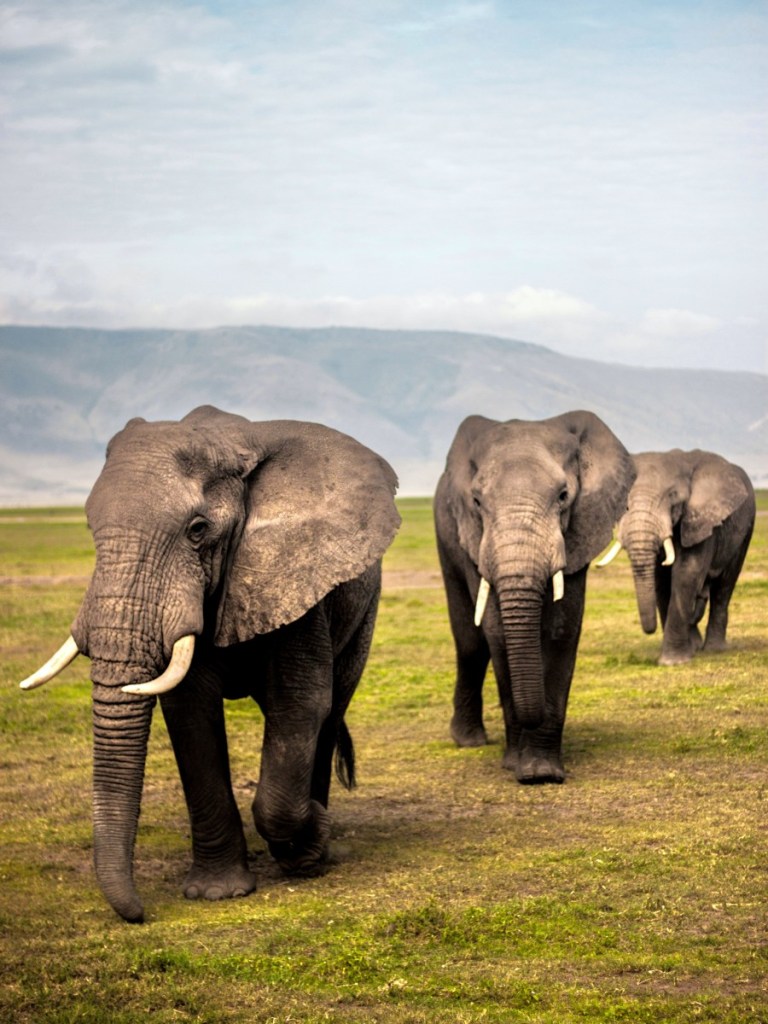
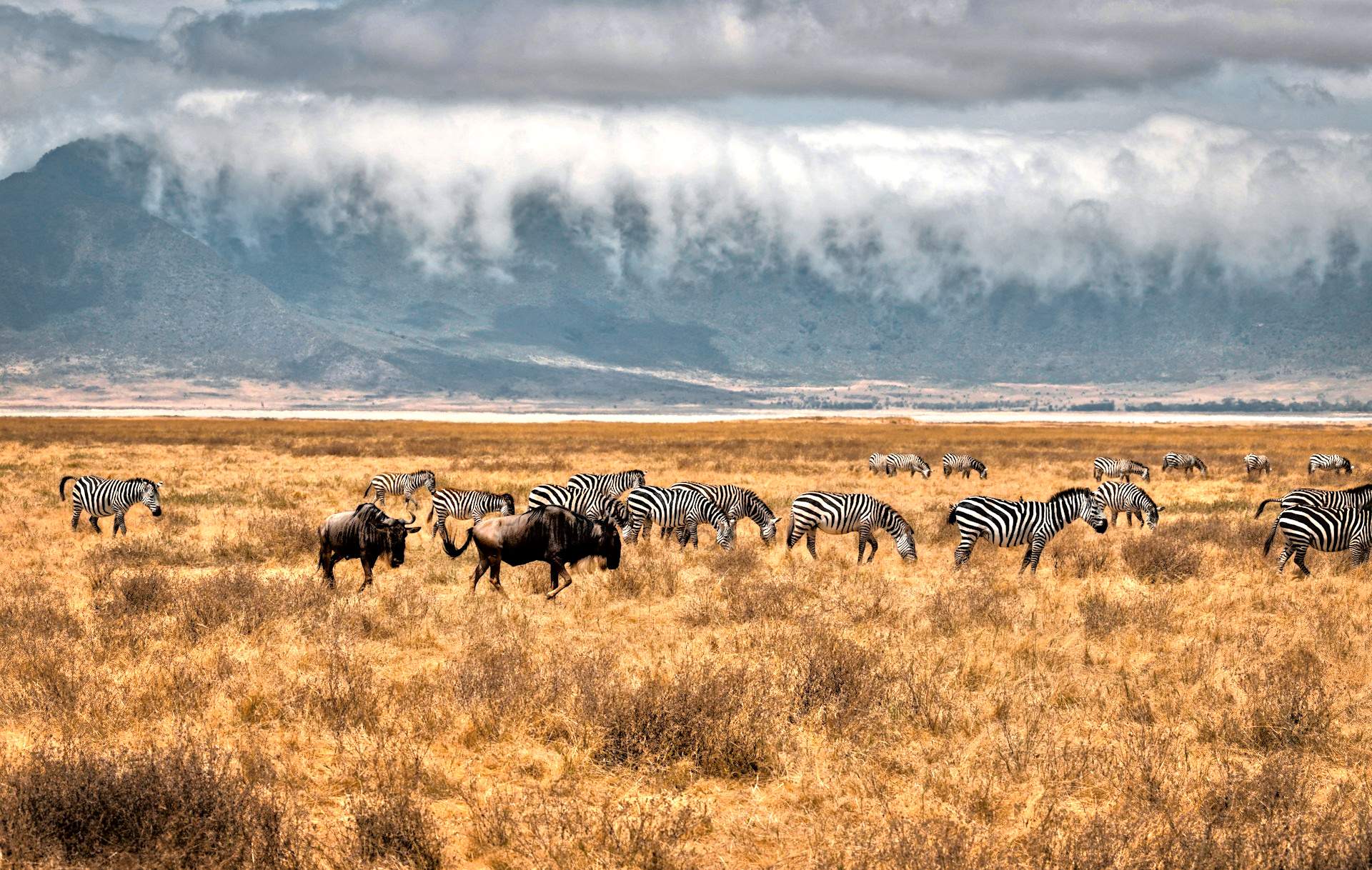
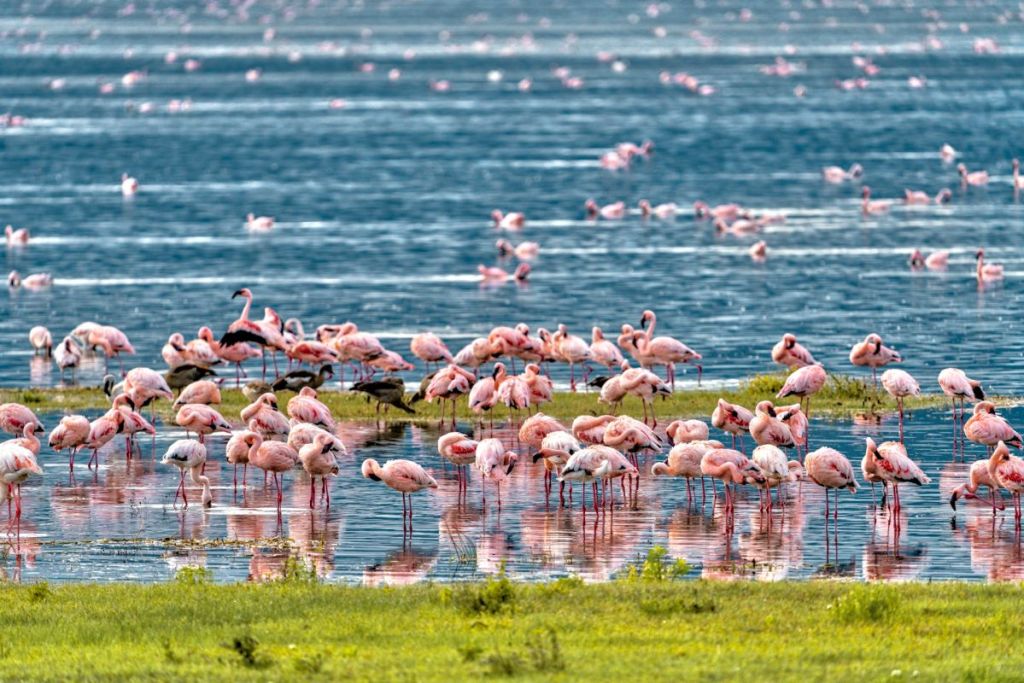
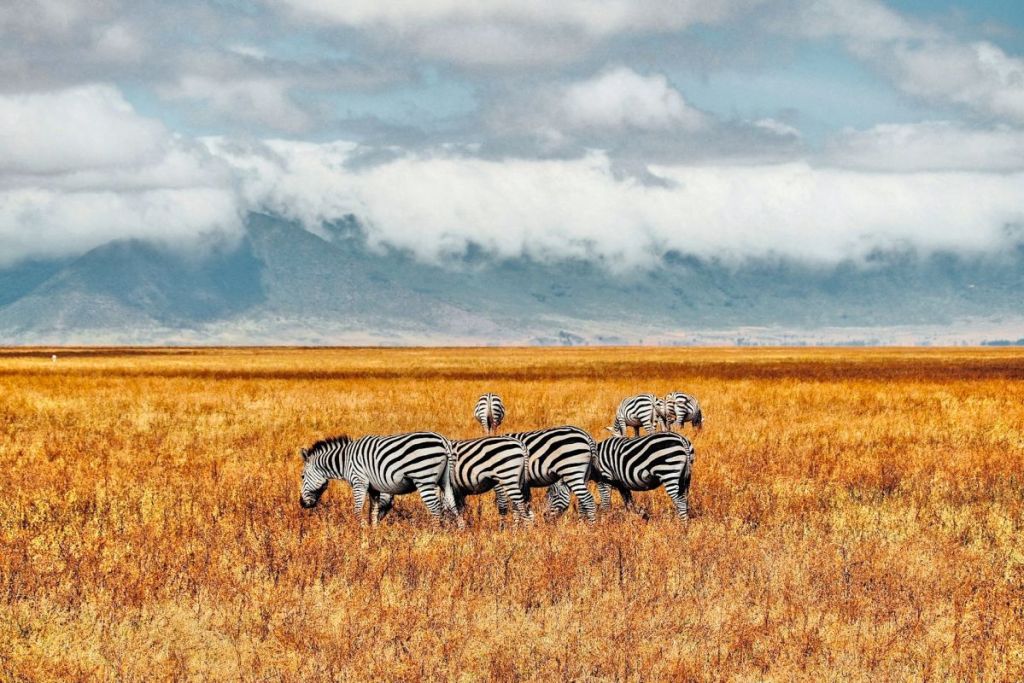
The crater’s steep walls enclose a self-sustaining ecosystem where life flourishes year-round. Zebras and wildebeests graze the open grasslands, while hippos wallow in lakes and cheetahs streak across the plains. The landscape is made up of grasslands, swamps, forests, and soda lakes, packing remarkable biodiversity into a relatively compact space.
The Masaai people also live in the crater, coexisting with the wildlife. Nearby, the archaeological wonders of Olduvai Gorge offer a glimpse into humanity’s earliest footsteps – this is where some of the oldest fossils and stone tools have been unearthed.
Best Ngorongoro Crater Safaris
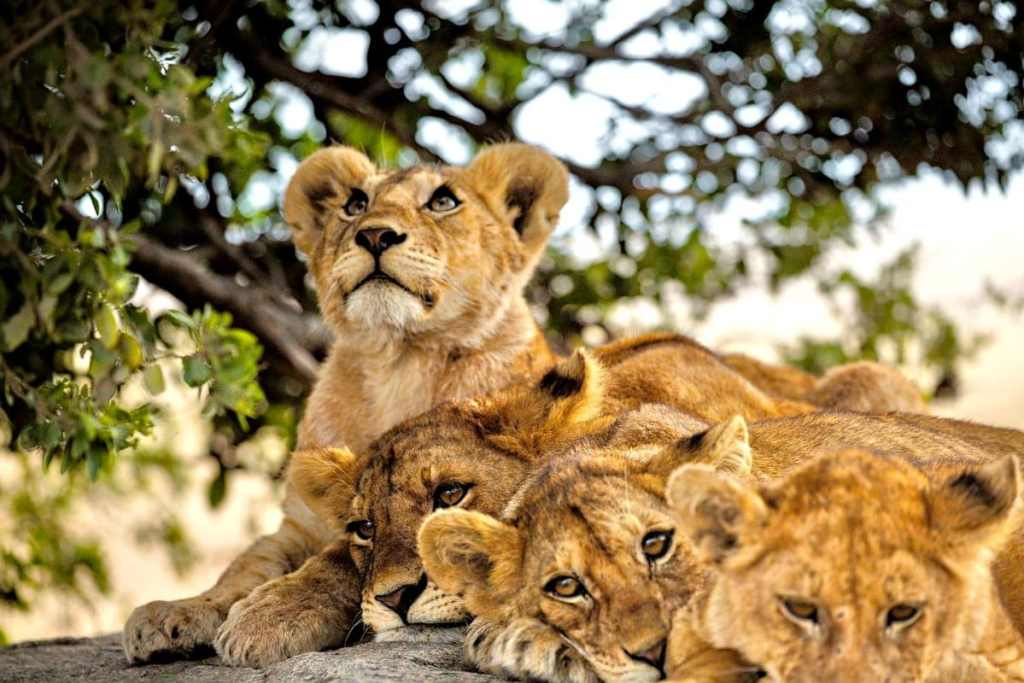
A day trip from Arusha is a popular way to visit Ngorongoro Crater. You’ll arrive in the area by mid-morning and, after spending some time admiring the landscape from above, dip down into the crater for a game drive just before lunchtime.
You could also opt for a multi-day safari tour that includes Ngorongoro along with the likes of Tarangire National Park. This is a great way to see more of Tanzania if your time and budget allows.
If you’re after a more luxurious experience (we’re talking 5-star accommodations, private tours, and all the trimmings), we recommend opting for a tour company like Jacada Travel or Kuoni to find your perfect trip.
Taking a crater rim walk is one of the best things to do in the Ngorongoro Highlands. Not only will you get to spot birds and unique flora, but peering over the edge of the crater rim and spotting wildlife below is awe-inspiring.
Travel Tip
The entry fee to Ngorongoro Conservation Area is around $70 USD per day for foreign adults, with a $295 vehicle descent fee. Double-check whether these fees are included in your safari before you book. Remember to bring extra cash for tips, too.
How to get to Ngorongoro Crater
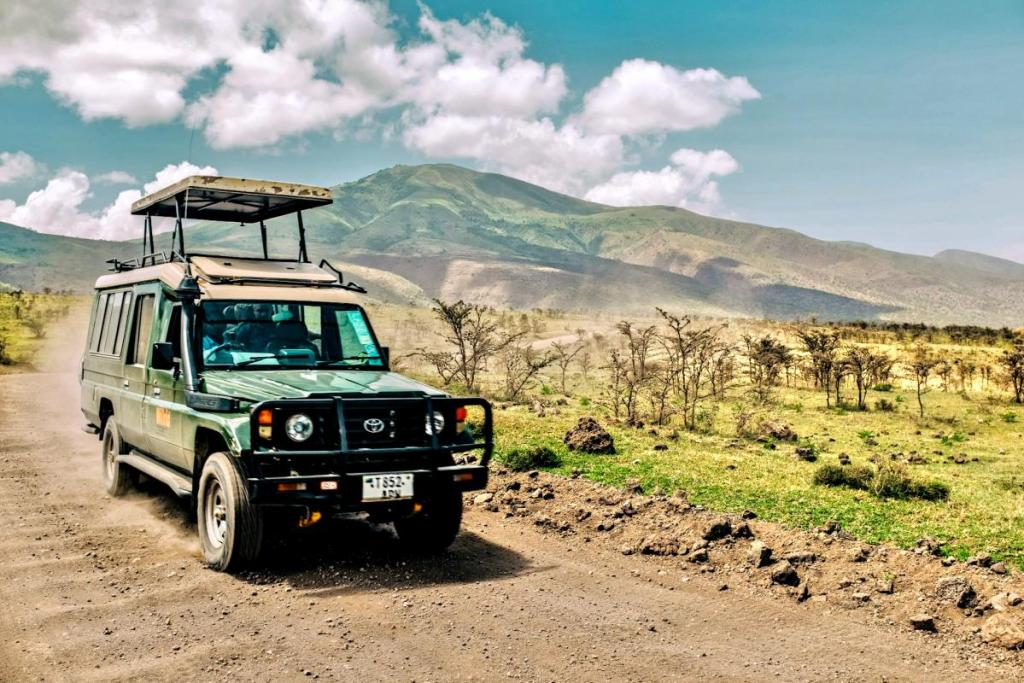
The majority of travellers arrive at Ngorongoro as part of a guided safari, by jeep or flight. Most tours provide transport to and from the crater. You’ll likely begin your journey in Arusha, around four hours away from the national park.
Something to note: 4×4 vehicles are mandatory for crater descents due to rough terrain. You’ll need to hire a private guide if you’re not visiting as part of a longer safari tour.
Where to Stay near Ngorongoro Crater
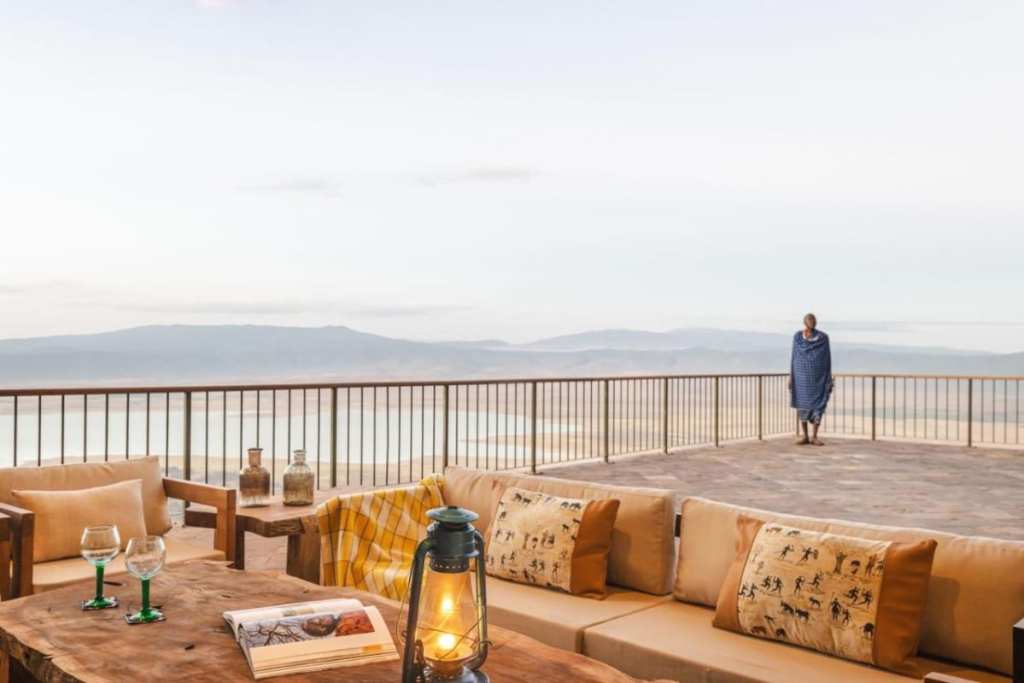
Image credit: Booking.com
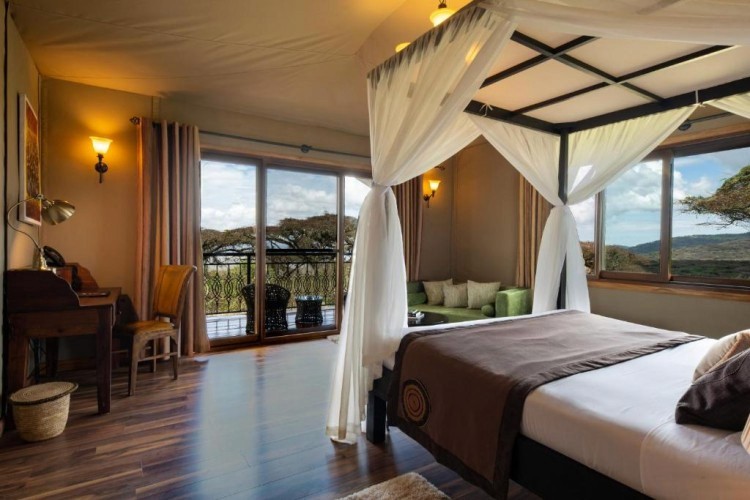
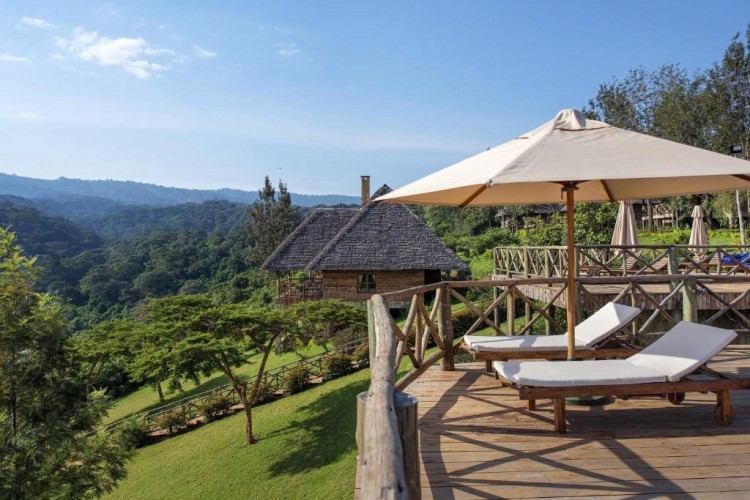
There are hundreds of Ngorongoro Crater hotels and lodges. Ngorongoro Rhino Lodge is one of the more budget-friendly places to stay. Operated in partnership with the local Masaai people, you won’t find any better place to fully immerse into the local culture than here. Rooms are simple but spacious and comfortable.
Likewise, Ngorongoro Serena Safari Lodge is a popular place to bed down. While Melia Ngorongoro Lodge and Lemala Osonjoi Lodge are both excellent mid-range options. Want the wow factor? AndBeyond Ngorongoro Crater Lodge is seriously pricey but well worth it for the incredible views and top-notch service.
The Best Time to Visit Ngorongoro Crater
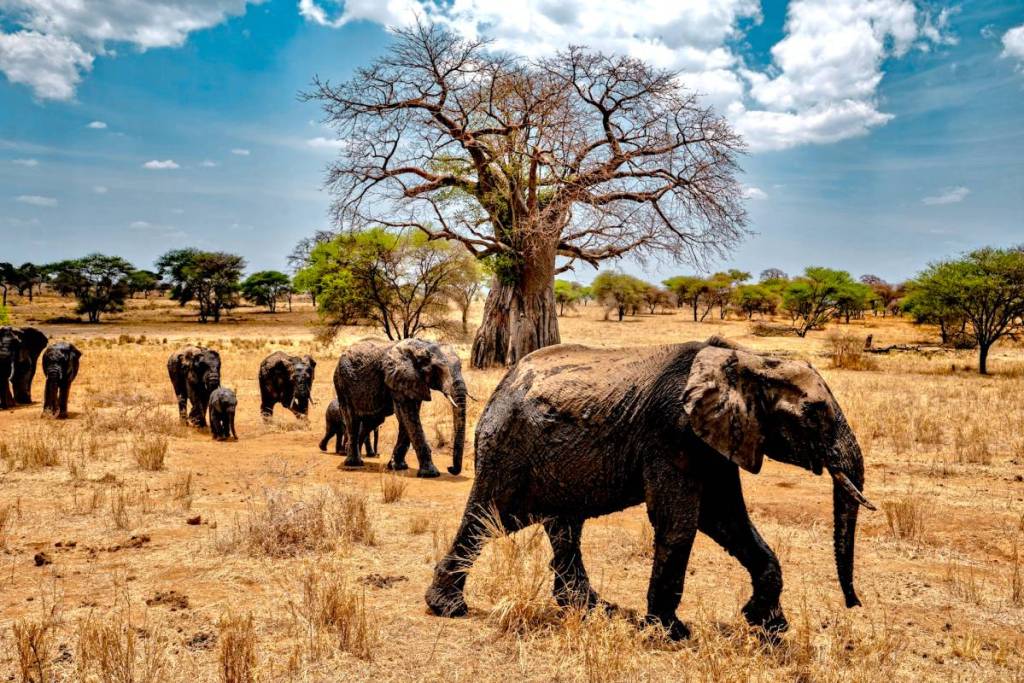
The best time to visit Ngorongoro Crater depends on what you want to experience, but its unique ecosystem makes it a year-round destination. From June to October, the dry season offers prime wildlife viewing as animals congregate around scarce water sources. This time is best for spotting the Big Five, especially lions and the rare black rhino.
Between November and May, the wet season transforms the crater into a lush, green paradise – with plenty of birdwatching opportunities. With fewer tourists around, the landscape feels more serene and untouched.
Travel Tip
One or two days is perfect for visiting Ngorongoro. Heading out on a sleepy, early morning game drive is a must.
What to Know Before You Go
Ngorongoro’s climate can be unpredictable, so we recommend layering up. Mornings tend to be brisk, especially on early game drives, so pack a warm jacket to stay comfortable. During the day, the sun can be intense – neutral-coloured clothing will be your best friend. It helps you blend into the landscape and keeps you cool.
We’ll warn you, the drive to the crater is long and rugged. Bring motion sickness tablets if you’re prone to nausea. Insect repellent is also essential to ward off mosquitoes, particularly during the early morning and evening hours. And don’t forget sunscreen to shield your skin from the equatorial sun, which can be deceptively harsh even on cooler days.
