
A Valencia Day Trip: Visiting the Hanging Bridges of Chulilla
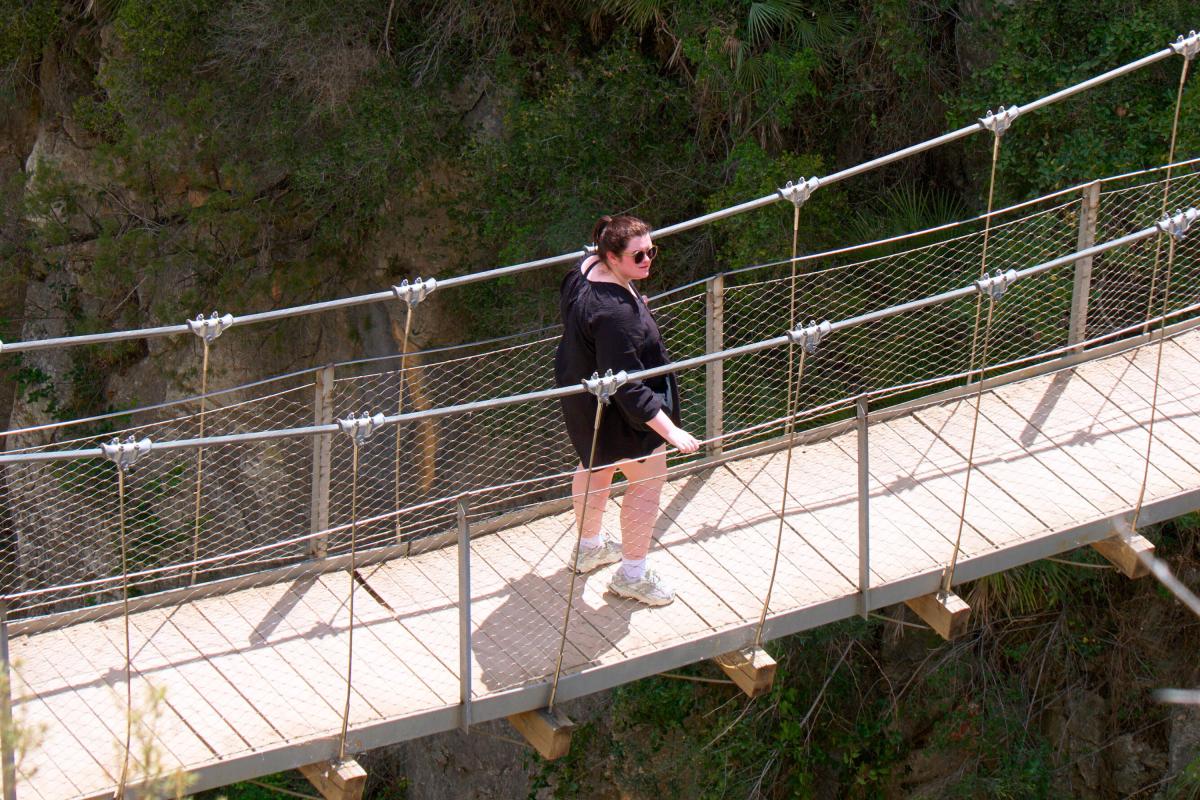
It’s time to discover the Hanging Bridges of Chulilla, a duo of suspended bridges set within a breathtaking canyon near Valencia.
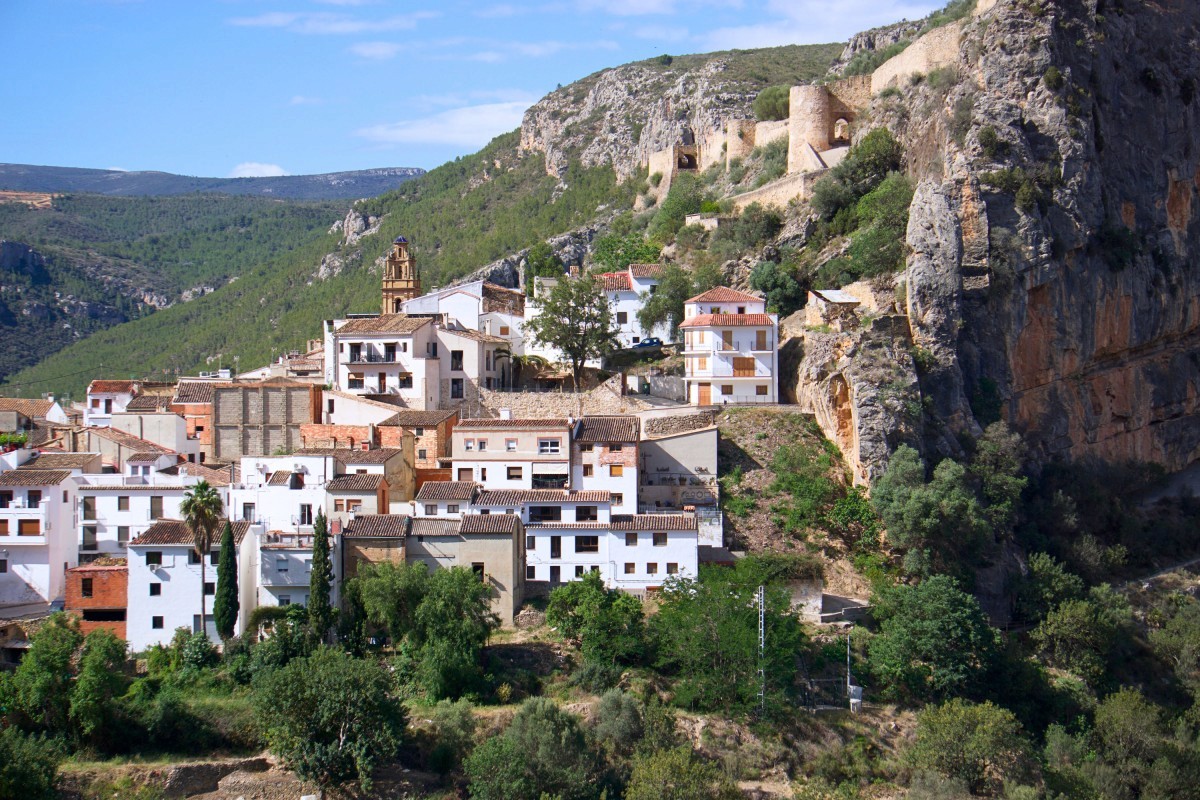
Hidden away in southeast Spain, Chulilla charms visitors with its dramatic limestone cliffs and serene river valleys. From the moment you set foot on the trail – before heading high above the shimmering Turia River – the rugged cliffs envelope you in a warm embrace.
The pathway, carved through the dramatic landscapes of Los Calderones canyon, guides you through lush greenery and rock formations. And, better yet, this paradise is easily accessible from the wonderful Spanish city of Valencia.
The Hanging Bridges of Chulilla: Our Experience
We chose to stay in Valencia and head to Chulilla for the day… and it turned out the be the highlight of our trip. We rented a car from the airport and stopped by a supermarket on the way to grab plenty of snacks and water (take our advice and leave any chocolate somewhere cool.) The drive to Chulilla was straightforward and took around an hour.
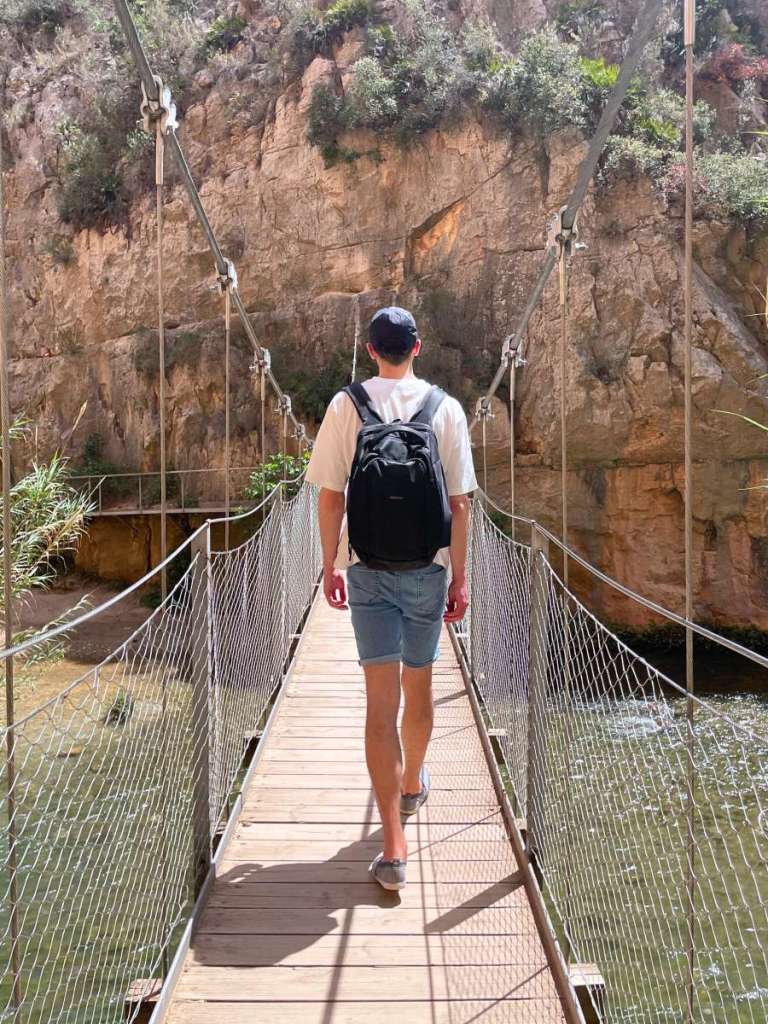
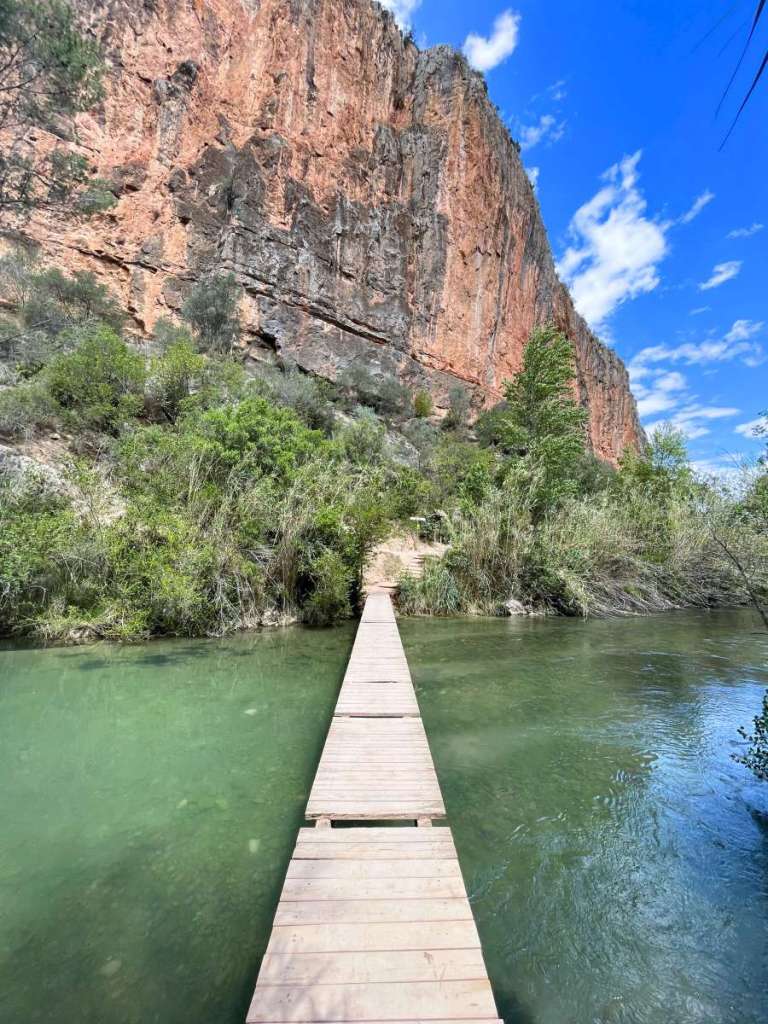
Most people (us included) opt for the Ruta de los Puentes Colgantes, or the Hanging Bridges Route. The landscape is otherworldly. Expect stunning views as you traverse along the ridge of the gorge and then head down to the bridges. We found the trail to be fairly quiet, but we visited in the off season.
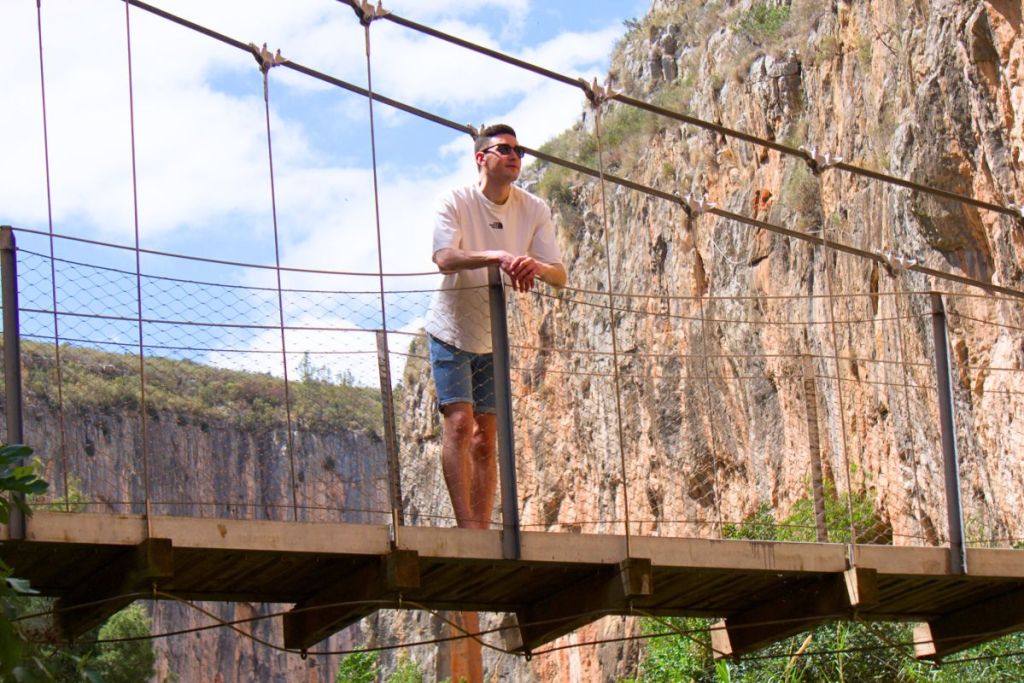
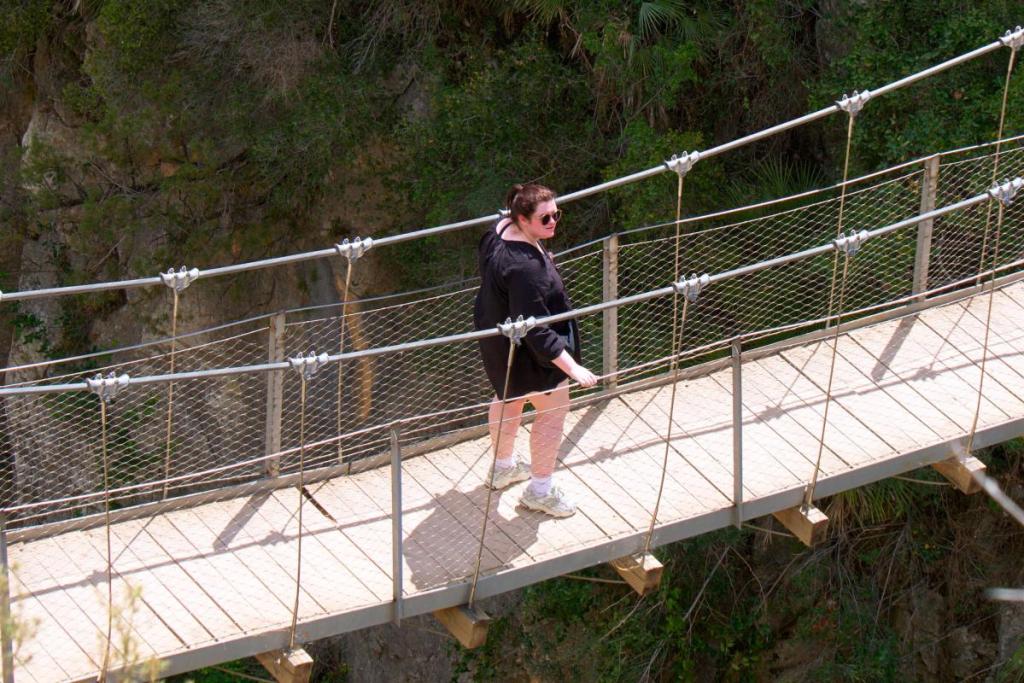
The walk to the bridges takes around 30 minutes, and most of it is pretty flat. We’ll warn you, though: there are some steep stairs to get down to the bridge. The first bridge you’ll cross is the main offering, but there is also a smaller bridge down a second set of stairs.
After the second bridge, we shlepped further through the valley admiring the stunning views. There are plenty of beautiful places to stop and take photos along the way and, if you want to hike further, you can continue on towards the Loriguilla Reservoir.
Another popular place to visit in Chulilla is the Charco Azul. This blue pool sits below you in the canyon (in fact, you’ll be able to see it at multiple points along the Hanging Bridges trail.) It’s a little bit trickier to find; we recommend following this map if you want to take a dip.
Chulilla’s History
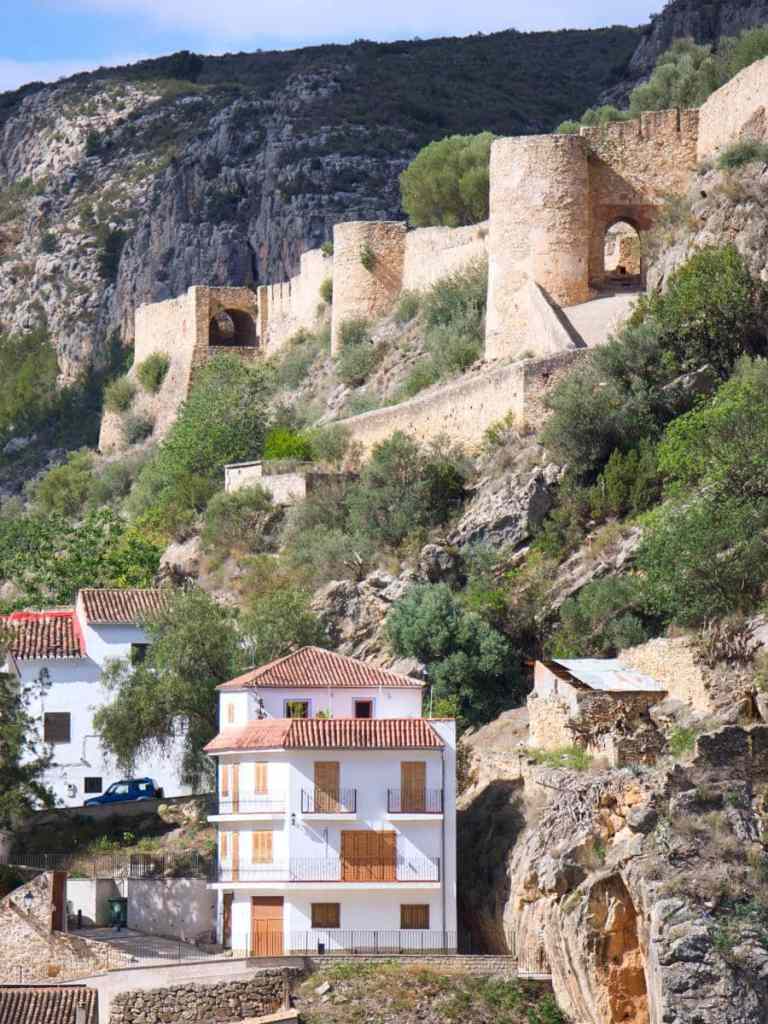
Chulilla is seriously beautiful, but it has a devastating history. The region was struck by catastrophic flooding in 1957, which swelled the Turia River and resulted in widespread destruction. The immense force of the floodwaters destroyed the original hanging bridges, as well as many other infrastructures in the area.
In the aftermath of the flood, efforts were made to rebuild and improve the affected areas. The hanging bridges in Chulilla were eventually reconstructed to be more resilient and safer for public use. There are signs all along the route that tell you a little bit more about Chulilla’s history, if you’re interested.
Rock Climbing in Chulilla
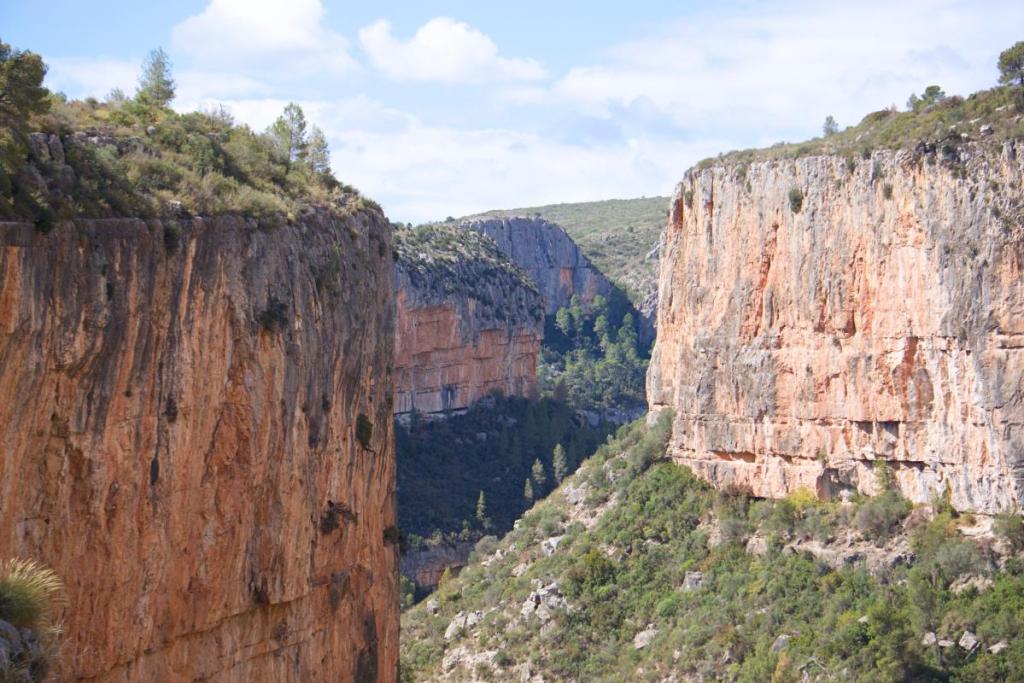
Believe it or not, Chulilla is one of the best rock climbing destinations in Spain. The deep canyon area contains over 800 routes for avid climbers to tackle, including tufas and overhangs. The majority of these routes are well equipped for moderate to advanced climbers – you can learn more about the Chulilla rock climbing routes here.
Exploring the Town
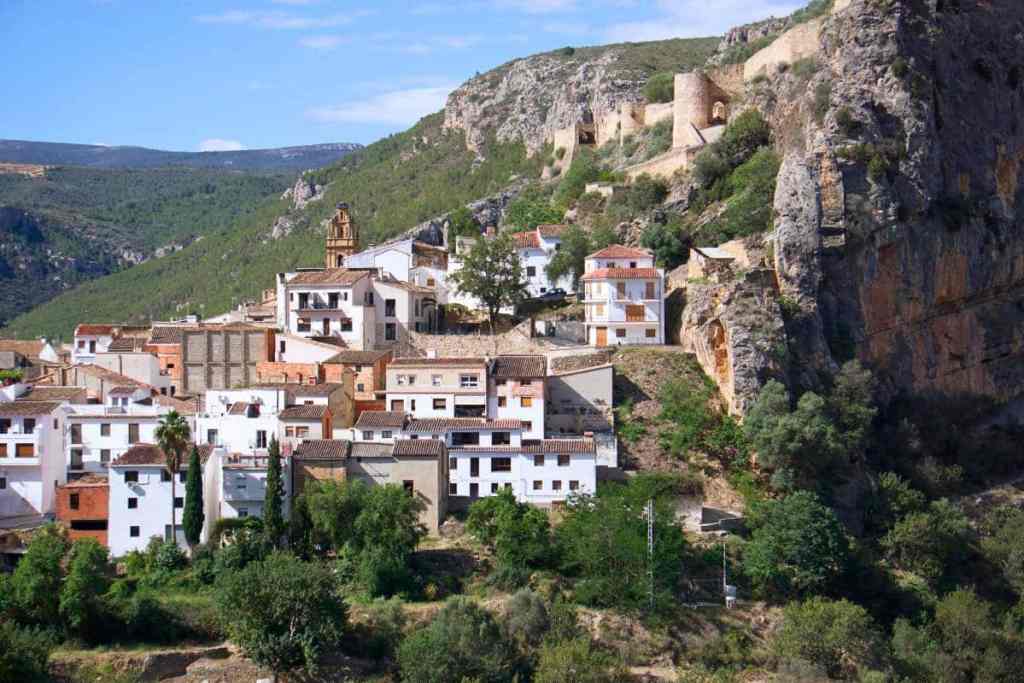
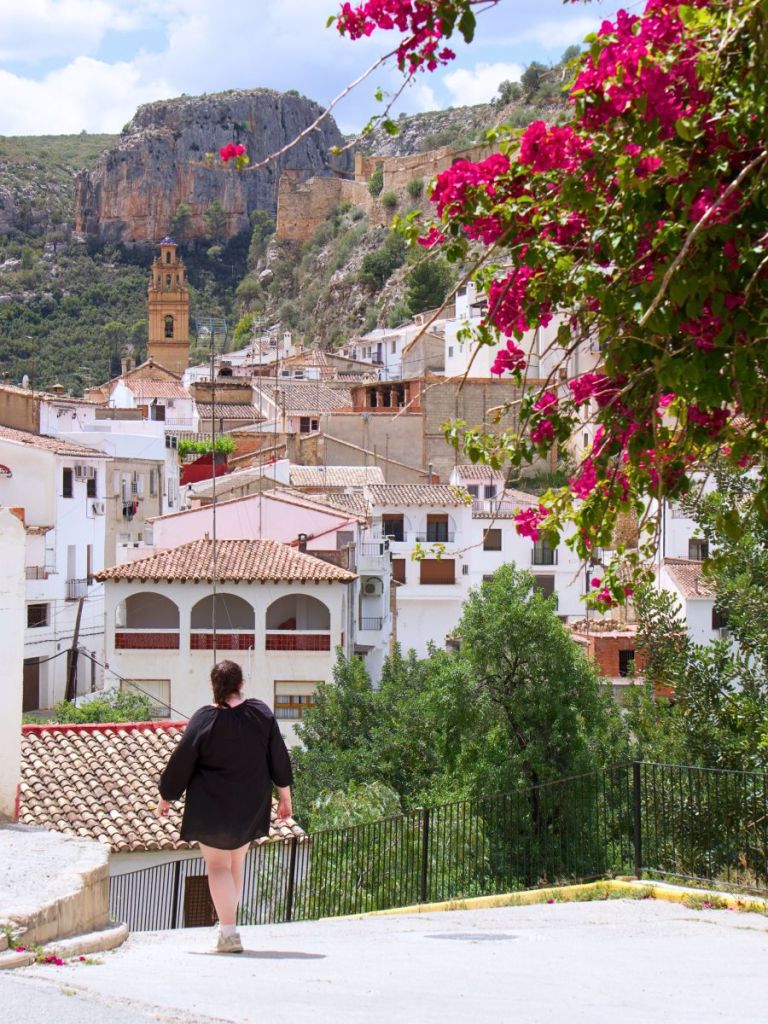
After we hiked to the bridges and arrived back at the car park, we headed down into the quaint town. It was quiet (we stupidly timed it with the afternoon siesta) but a few places were open for a late lunch.
We visited a little cafe called La Cañadeta. In general, most people in Chulilla do not speak English (though, one of the waiters here did) but it was a lovely spot buzzing with locals. If you visit this cafe, make sure you sit at the back for stellar views of the canyon.
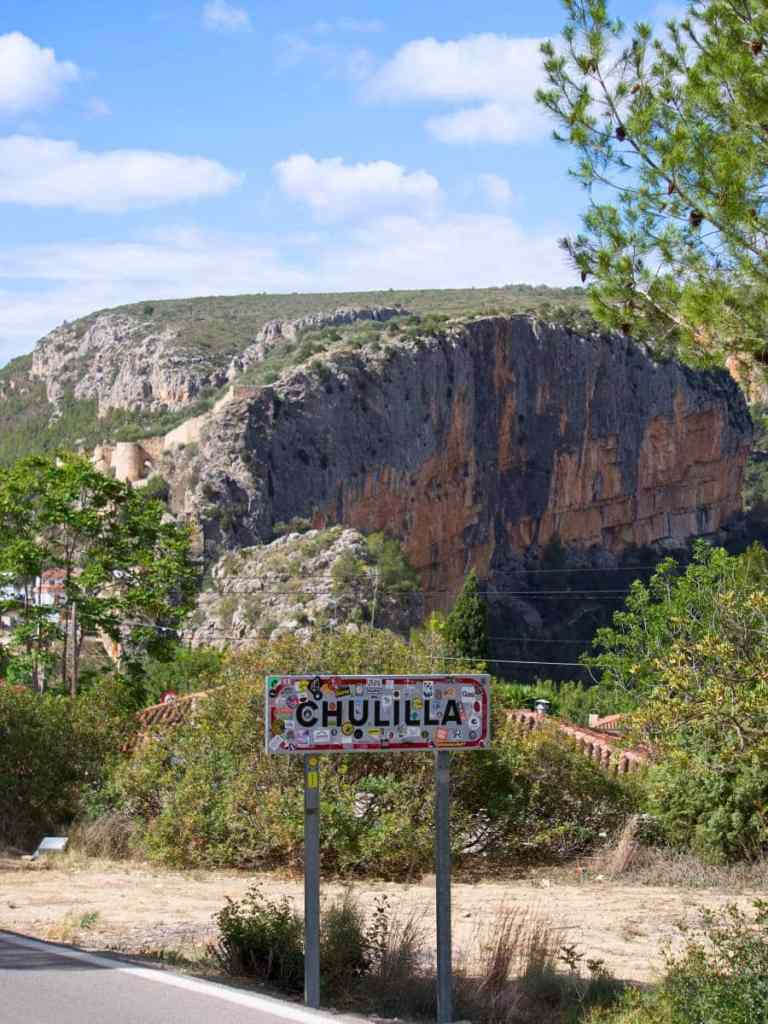
If you continue walking through the town, you’ll end up at Chulilla Castle. While we didn’t feel the need to head right up to the ruins – and you likely won’t after a sweaty walk to the hanging bridges – we wandered a little bit closer to snap some photos.
How to Get to Chulilla From Valencia
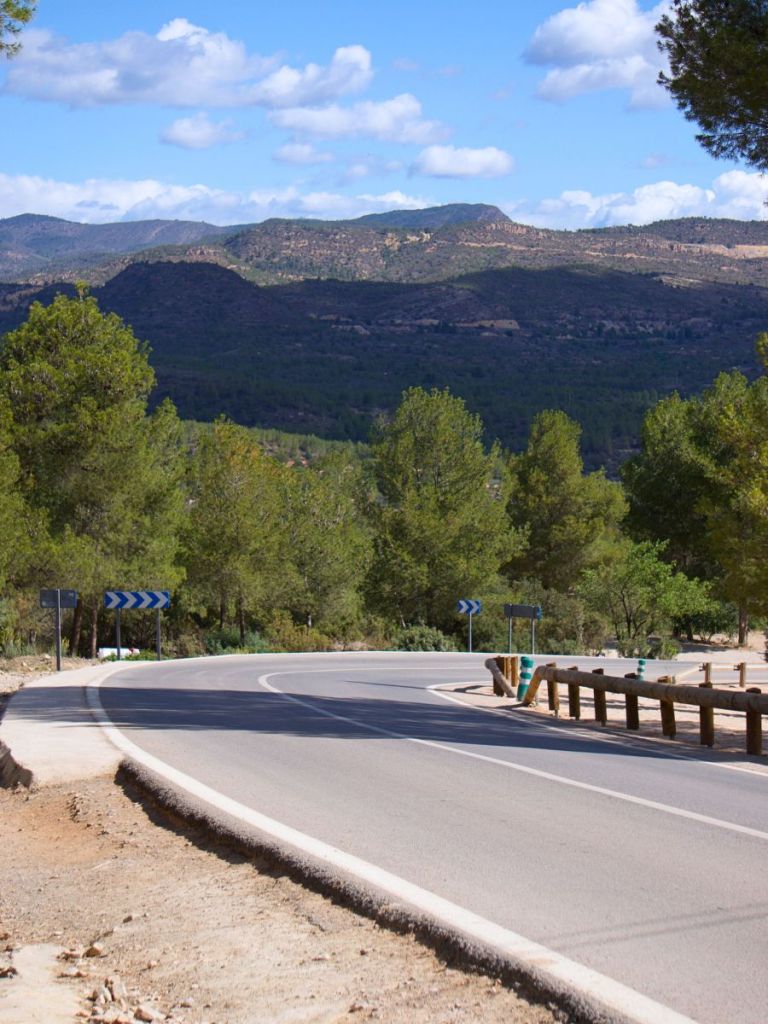
Despite being just an hour away from Valencia, Chulilla can only really be reached by car. There’s only one bus a day that travels nearby AND you have to request a stop in advance. Plus, taxis are very expensive – you’ll be charged around €100 one way.
If you can, we urge you to hire a car for total flexibility. We rented a car for the day from Valencia Airport and it was quick and easy to get to Chulilla along one major highway.
Best Chulilla Tours
Chulilla tours might be fairly rare, but there a couple of brilliant options available if you do not want to drive yourself (or have a license.) Like we’ve already mentioned, we recommend you rent a car and head there without a guide as the path is extremely well-marked.
Where to Stay Near Chulilla
We stayed in Valencia and spent a day in Chulilla which worked out perfectly for us. There’s so much to see and do in the city. Chulilla is beautiful but it only has a very limited selection of accommodation. Our favourite areas to stay in Valencia are Cuitat Vella (the Old Town) or L’Amistat.
Best Time to Visit the Hanging Bridges of Chulilla
The best time to visit the Hanging Bridges of Chulilla is between April and June or September and November. Avoid the hot summer months as there is very little shade along the trail.
It’s worth noting that you might be asked to pay an eco tax of €1 per person when hiking to the bridges. We visited in May and the ticket booth was empty, but we imagine that a ranger will be stationed at the trailhead between June and September.
Chulilla Bridges: What to Know Before You Go
To help your Chulilla trip run smoothly, there are a couple of things to bear in mind. Make sure you bring sensible shoes (i.e. hiking shoes or trainers), sunblock, and a hat. Also bring some cash – the car park and cafes we visited accepted card payments but it’s always good to have some euros on hand as a back-up.
When you arrive in Chulilla, make sure you park in the Hanging Bridges Car Park. It’s €4 for the entire day. Get there early and beat the midday heat; the canyon gets extremely warm between 11-3 pm.
