
Gyeongju Travel Guide: Discover South Korea’s Museum without Walls
Gyeongju, South Korea, is a treasure trove of history and culture. Get ready to explore South Korea’s most underrated city with this guide.
It’s safe to say that Gyeongju truly blew us away on our last visit to South Korea. Once the capital of the ancient Silla Kingdom, Gyeongju offers a glimpse into South Korea’s rich past. The city is peppered with well-preserved temples, royal tombs, and stunning archaeological sites.
Though most of Gyeongju’s appeal is in its time capsule nature, there’s plenty of fun to be had. From hauling yourself around on heart-pounding roller coasters, to eating your way through Hwangnidan Street, we’ve got a hundred reasons why Gyeongju needs to be on your South Korea itinerary. Well, almost.
The Best Things to do in Gyeongju
Wander Around Gyeongju’s Bulguksa Temple
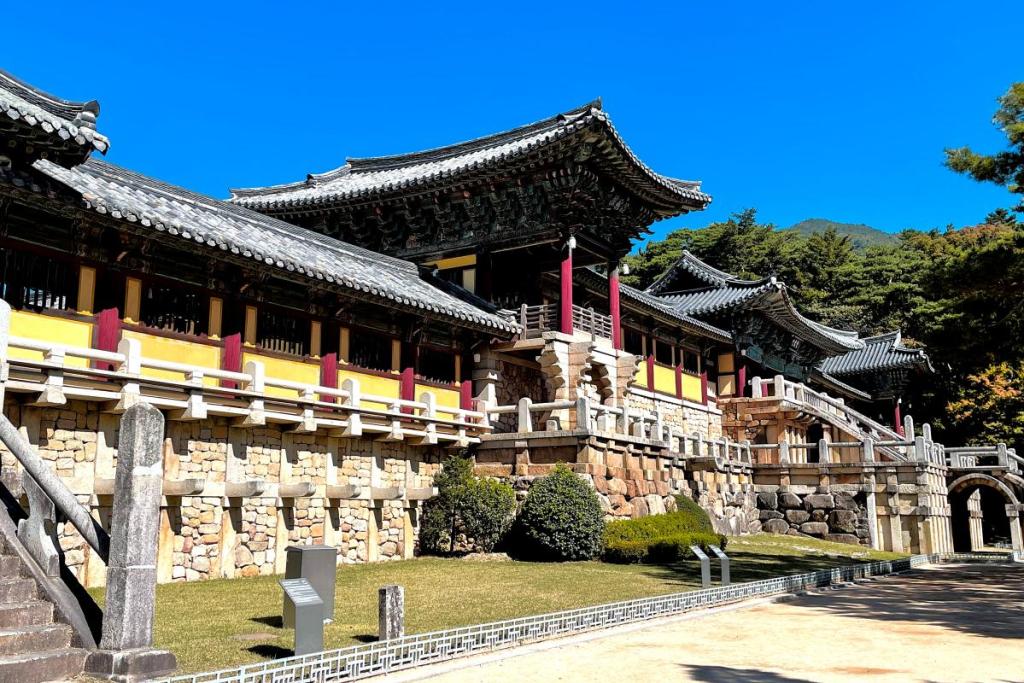
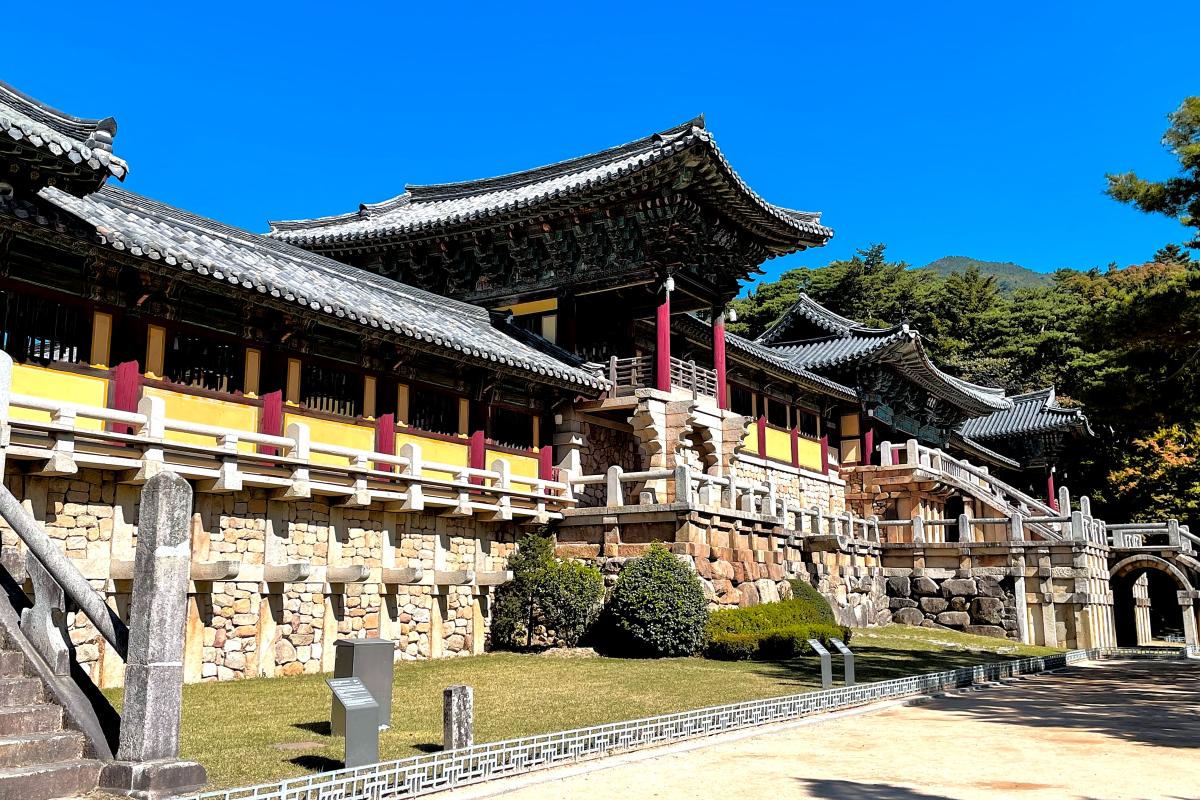
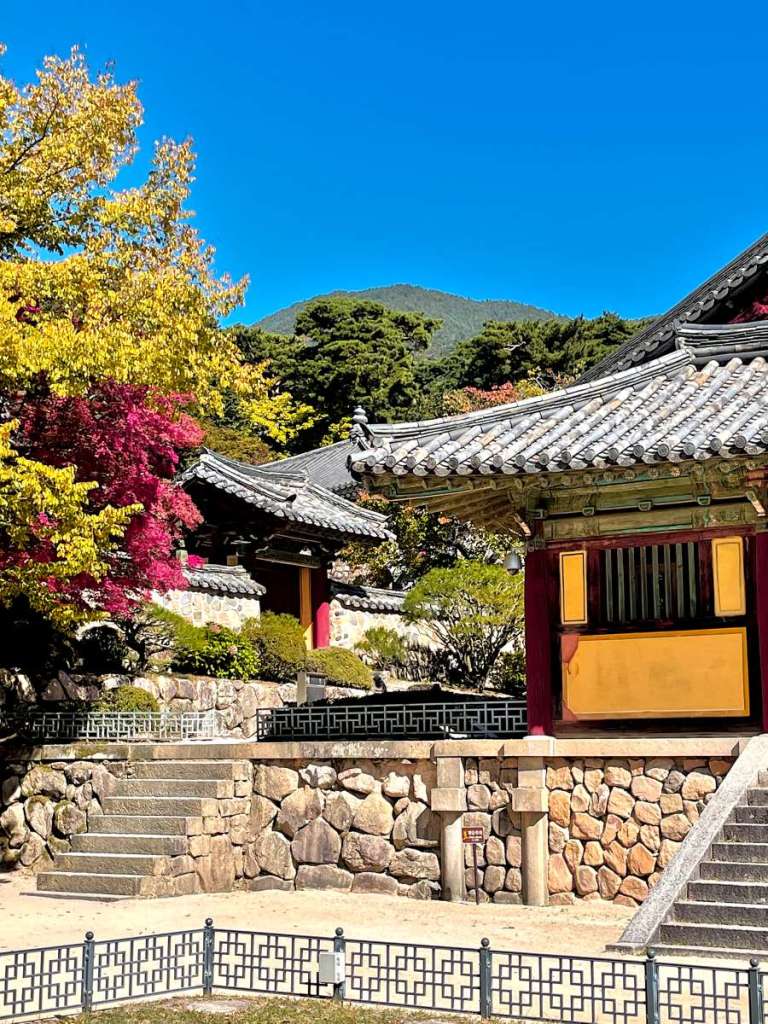
We have visited a fair few temples during our time in South Korea, but we were surprised at how much Bulguksa Temple impressed us. This UNESCO World Heritage site boasts intricate stone carvings, serene lotus ponds, and majestic pagodas across its 100+ acres.
Make sure to visit Daeungjeon (Hall of Great Enlightenment). This is the temple’s main hall, dedicated to Shakyamuni Buddha. It houses a large statue of the Buddha, which you’ll spot many people praying toward. Make sure you leave your shoes outside and grab a mat if you want to take part in prayer. We had a Korean friend with us and followed their instructions, but it’s best to stay near the back of the hall if you’re unsure.
Seek Thrills at Gyeongju World Amusement Park

It’s no secret that we’re huge fans of South Korea’s theme park scene… and Gyeongju World is one of the best places to unwind. It’s perfect if you’re spending a couple of days in the area and want to swap historical sites for something a little more exciting.
Generally, this park is a lot less busy than the likes of Lotte World or Everland. That said, you still need to make a beeline for Draken when you arrive in the morning – this coaster is one of the most popular and often has long wait times.
Visit Gyeongju World Culture Expo Park
Dive into a kaleidoscope of creativity at Gyeongju World Culture Expo Park, with Gyeongju Tower as an impressive centrepiece. This spot celebrates a global cultural exchange between South Korea and the rest of the world.
Here you can learn more about the heritage of Gyeongju through interactive exhibits and engaging performances. Wander through themed gardens, explore cultural pavilions, and immerse yourself in traditional crafts.
Travel Tip
Try to visit in October as this is when the annual culture festival is held – you’ll get to enjoy an extra magical experience with special performances throughout.
Eat Your Way Along Hwangnidan Street
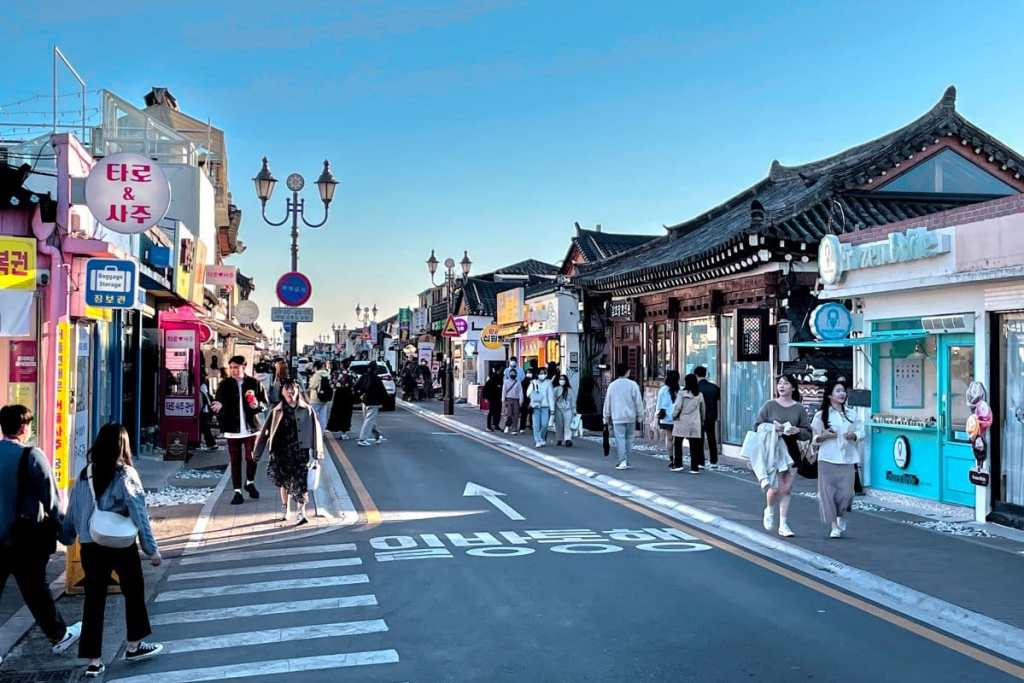
No visit to Gyeongju is complete without taking a stroll along Hwangnidan Street, a lively hub for younger visitors. This charming street is lined with boutique shops and cosy cafés.
As you wander, take a moment to appreciate the artistic murals and unique architecture that tell the story of this historic city. Make sure you also step inside one of the many photo studios for a fun photo booth session complete with props and costumes – it’s the perfect souvenir.
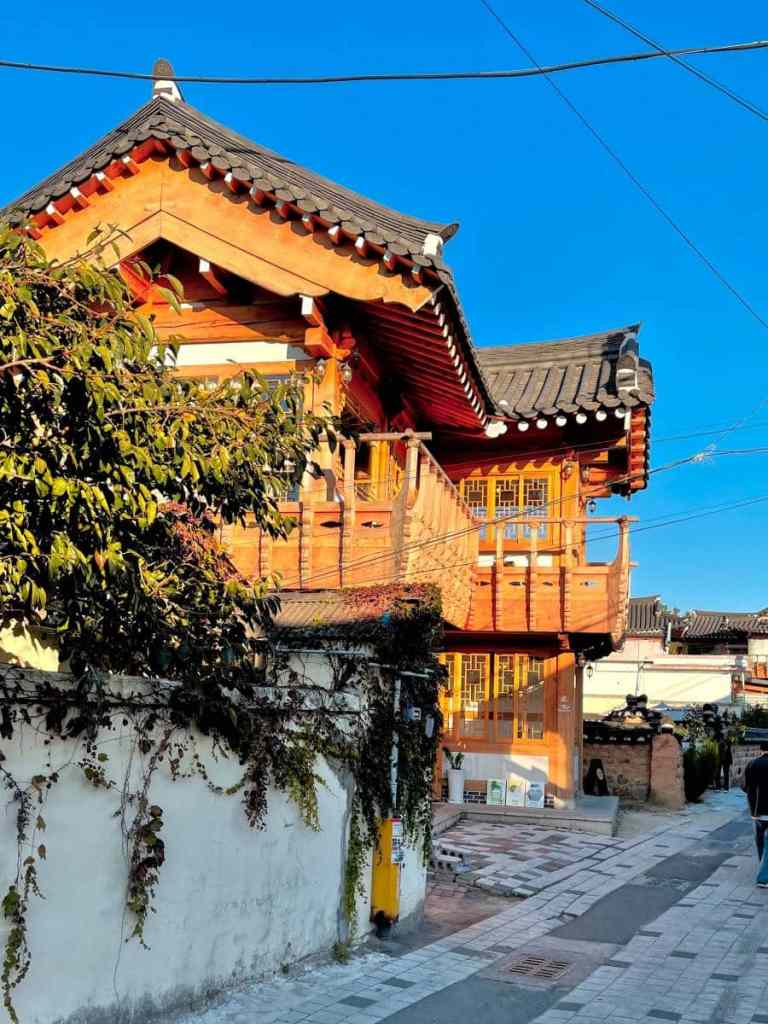
But the real reason to come here is to try some of the delicious street snacks. Sure, you can get the iconic 100W coin, famed for its cheese pull, but we recommend you try something local.
Hwangnam Oksusu is a popular spot for its fried corn and array of toppings – the spicy mayo is the best. We recommend also trying jjondeugi, a chewy (and indescribable) snack that looks suspiciously similar to McDonalds fries.
Snap Some Photos of the Pink Muhly
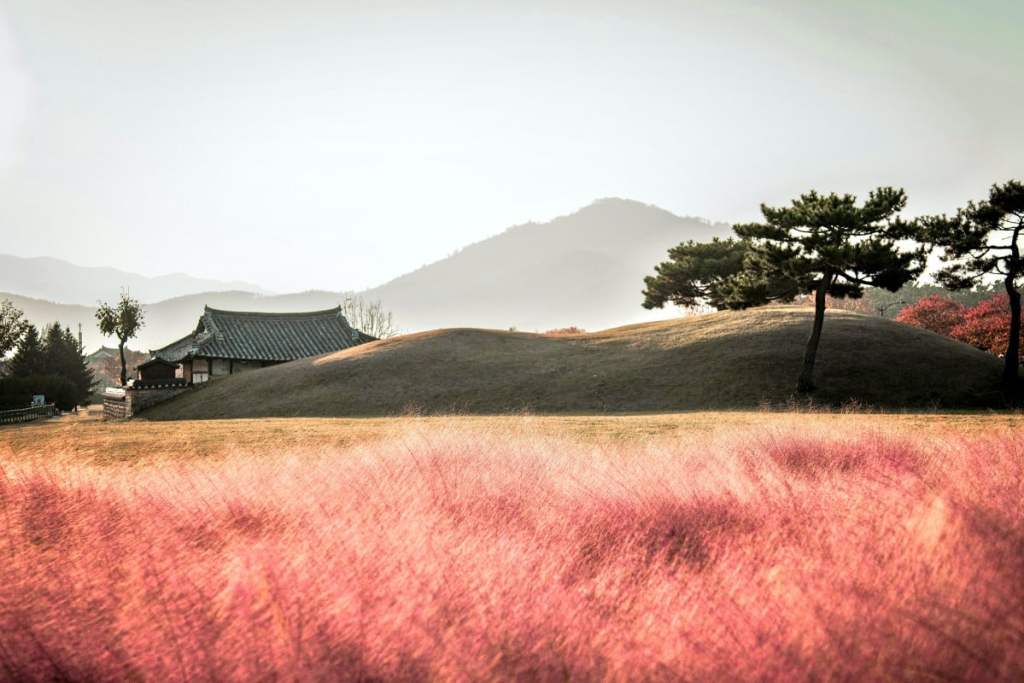
Picture fields and fields of fluffy pink clouds… that’s what you’ll find in Gyeongju during the autumn. The region is home to some of the most stunning Pink Muhly grass fields in South Korea. Every September and October, these vibrant, feathery plants bloom into a sea of soft pink, creating a fairytale-like atmosphere.
Head to Cheomseongdae Observatory or Gyeongju Expo Park where the muhly fields are especially striking against the backdrop of ancient temples and tombs. Don’t miss the golden hour for the best lighting – it’s a magical time to capture these surreal landscapes.
Explore the Daereungwon Tomb Complex
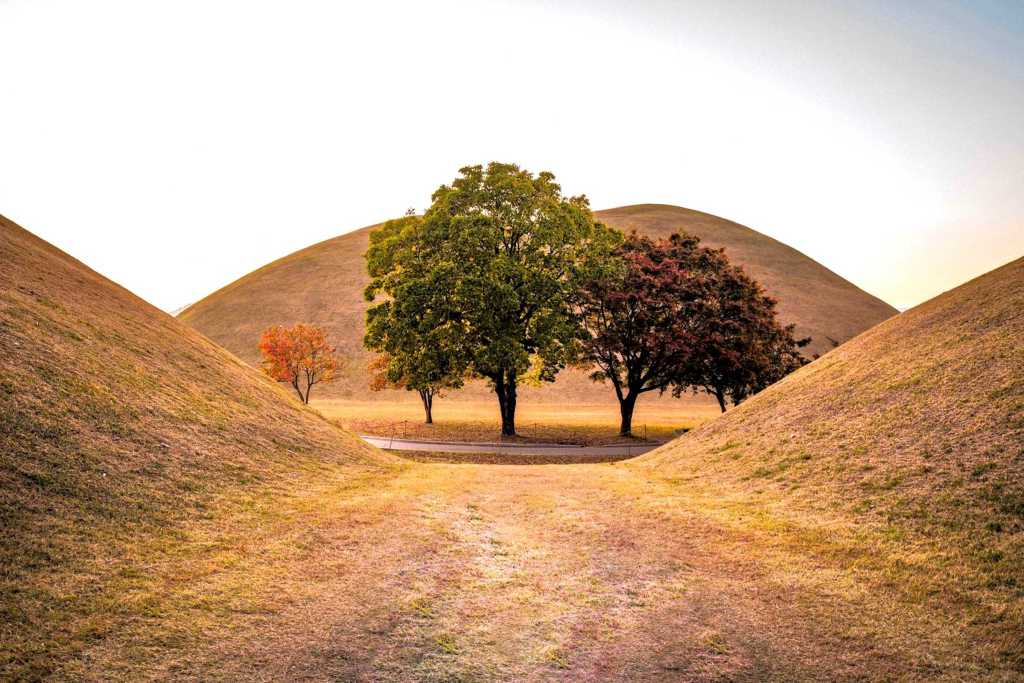
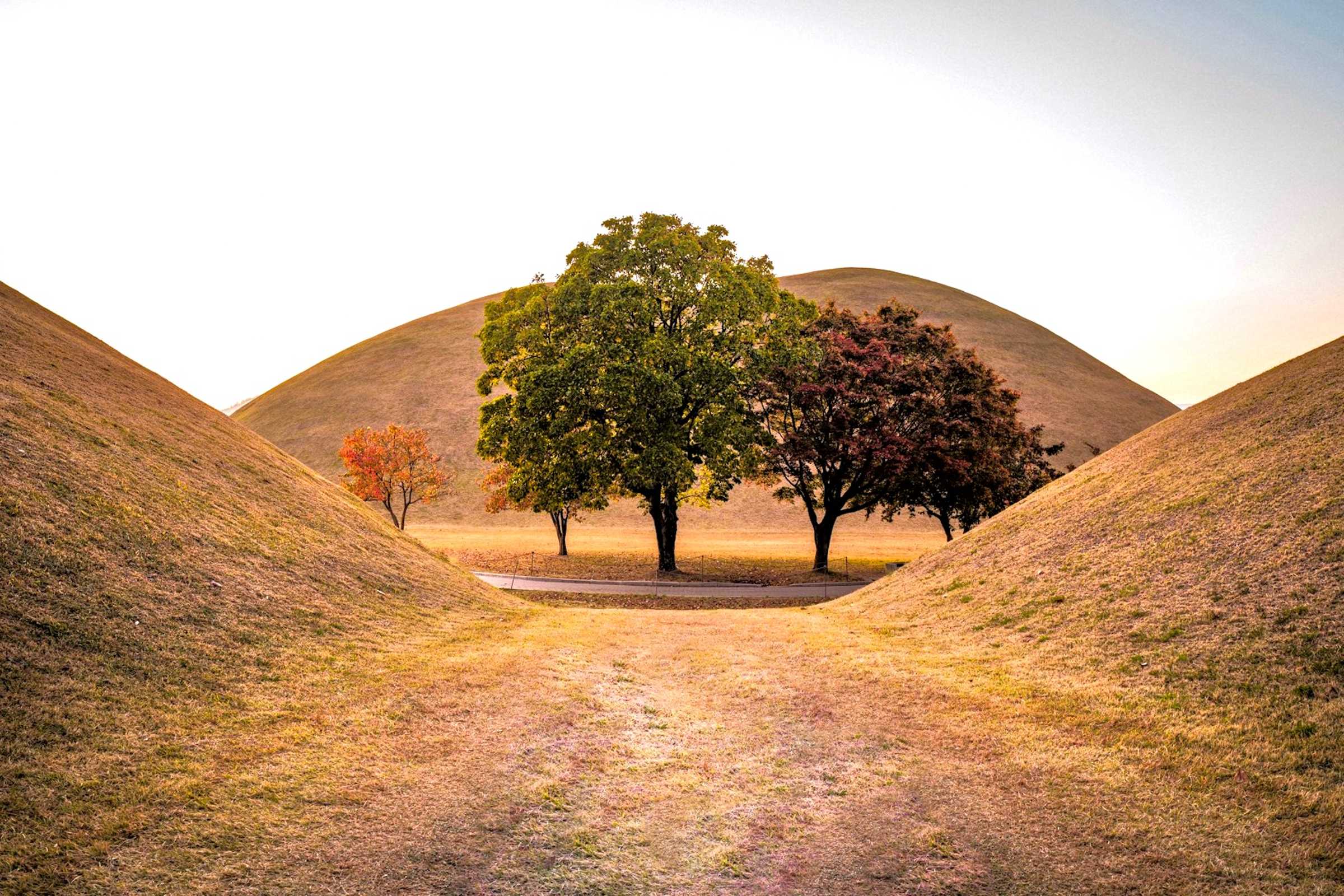
One of the top reasons to visit Gyeongju is for Daereungwon, a royal tomb complex that sprawls through the centre of the city. Take a leisurely stroll through the park, which is particularly beautiful in spring and autumn when the foliage provides a striking contrast to the serene mounds.
Numerous giant grass-covered burial mounds date back to the Silla Kingdom over 1,000 years ago. These tombs house the remains of Korean royalty and nobility.
Step Back in Time at Yangdong Folk Village
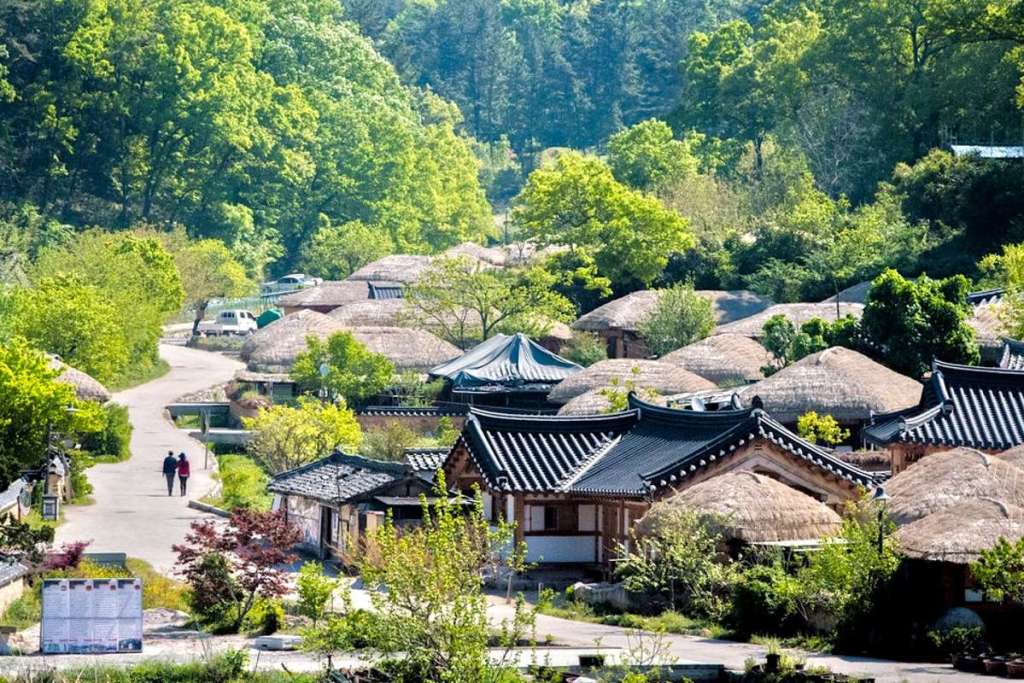
You might have heard about Seoul’s Bukchon Hanok Village, but Gyeongju’s Yangdong Folk Village offers an even rarer glimpse into the traditional Korean way of life. This village, frozen in time, sits in the mountains and boasts thatched-roof houses and ancient hanoks dating back to the 14th century.
Wander through narrow paths that meander between traditional homes, some of which are still owned by descendants of the original families. We recommend timing your visit to autumn when Yangdong is most charming. There are plenty of leafy photo opportunities at this time of year – just remember to be very respectful towards the residents.
Visit Donggung Palace & Wolji Pond
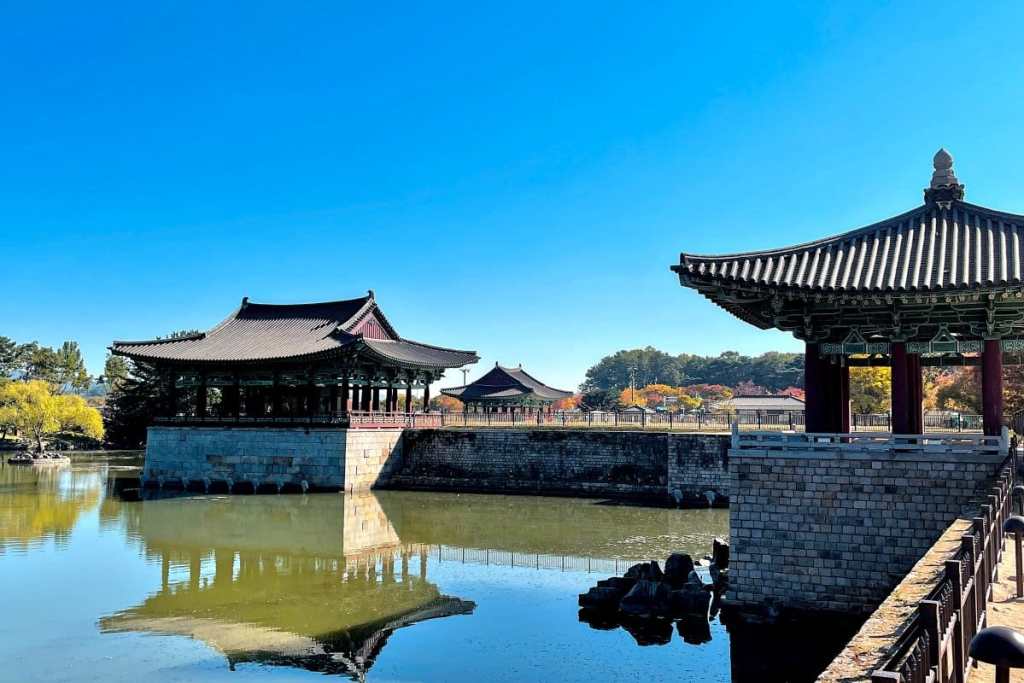
One of our favourite places to visit in Gyeongju is Donggung Palace and Wolji Pond. It’s one of the most picturesque historical sites in the area. Don’t just take our word for it; head there to see the remnants of a palace complex built in the 7th century during the Silla dynasty.
If the palace is beautiful in the day, just wait until night falls. Once the sun sets, the palace structures light up, and the reflections on Wolji Pond create an otherworldly, mirror-like effect.
Travel Tip
Time your visit to Donggung Palace to be an hour before sunset to experience the site in both daylight and full illumination.
How to Get to Gyeongju
Gyeongju is well-connected to most major cities in South Korea. You can get to Gyeongju from Seoul in less than three hours by KTX (High-Speed Train), or from Busan in just 40 minutes.
Renting a car as a foreigner in South Korea is also very simple. There are plenty of places to pick up a vehicle at the major airports – you just need to remember your international driver’s licence.
Alternatively, you can book a guided day trip to Gyeongju from Busan, which has all transport included. We recommend this if you want to see as many of Gyeongju’s top attractions as possible without the logistical hassle.
Where to Stay in Gyeongju
If you’re choosing to stay in Gyeongju, rather than Busan, we have a couple of recommendations. For a more peaceful retreat, opt for one of the hotels in the Bomun Lake Resort area.
Or, stay in the Downtown Gyeongju (Hwangnidan-gil area) to be in the heart of the action. This is ideal if you want to explore Gyeongju’s cultural and historical sites on foot, with easy access to cafes and restaurants.
Gyeongju Trip Costs
Transportation
Taxis in Gyeongju are generally an affordable way to get around the city. Kakao T is the most popular taxi app across South Korea – it’s available in English and Korean, so it’s very convenient for international travellers. A ride between major attractions (Bulguksa Temple to Donggung Palace, for example) will set you back around 7,000–15,000W (approximately $5.50–$11).
Gyeongju does not have a subway system, though there are buses that you can catch between most major landmarks. Alternatively, you can also choose to rent a car and drive yourself.
Food
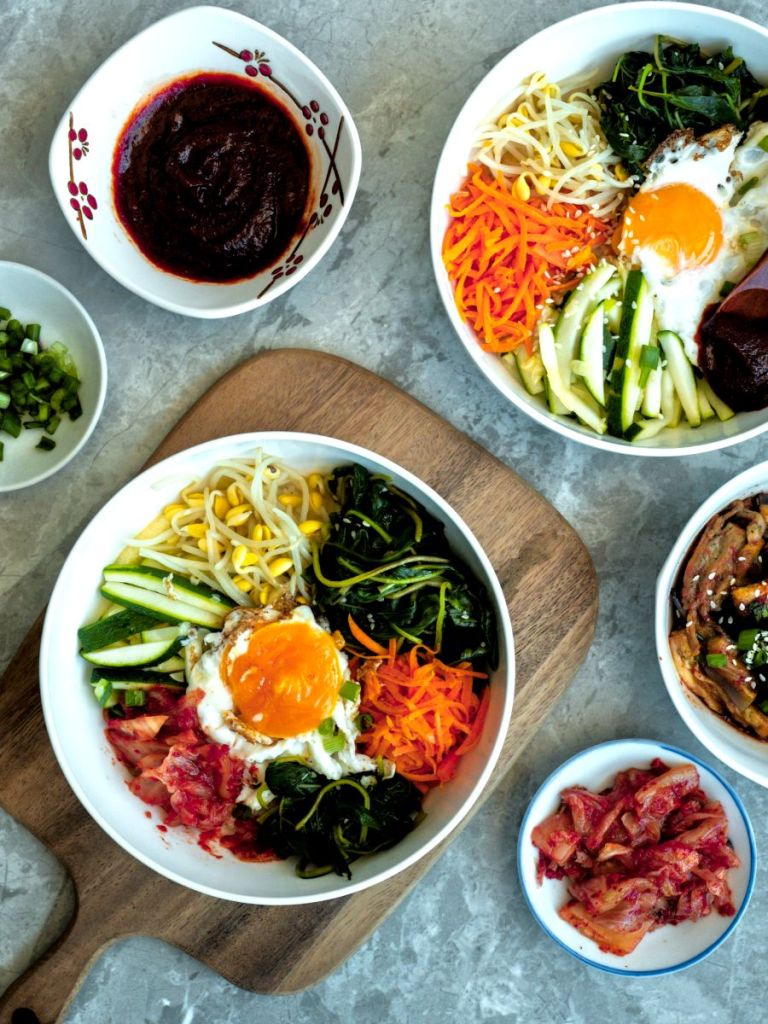
The price of food in Gyeongju is comparable to that of Seoul. While the options that line Hwangnidan Street take advantage of tourist pricing, a meal elsewhere will set you back around 10,000W/$8. There are plenty of cheaper street food stalls to choose from near temples, too.
Accommodation
Hotels in Gyeongju are extremely affordable – a mid-range place will set you back around $70 per night. Because of this, there are only a couple of hostels in the area, but you might manage to snag a bed for less than $20 per night.
Entrance Tickets
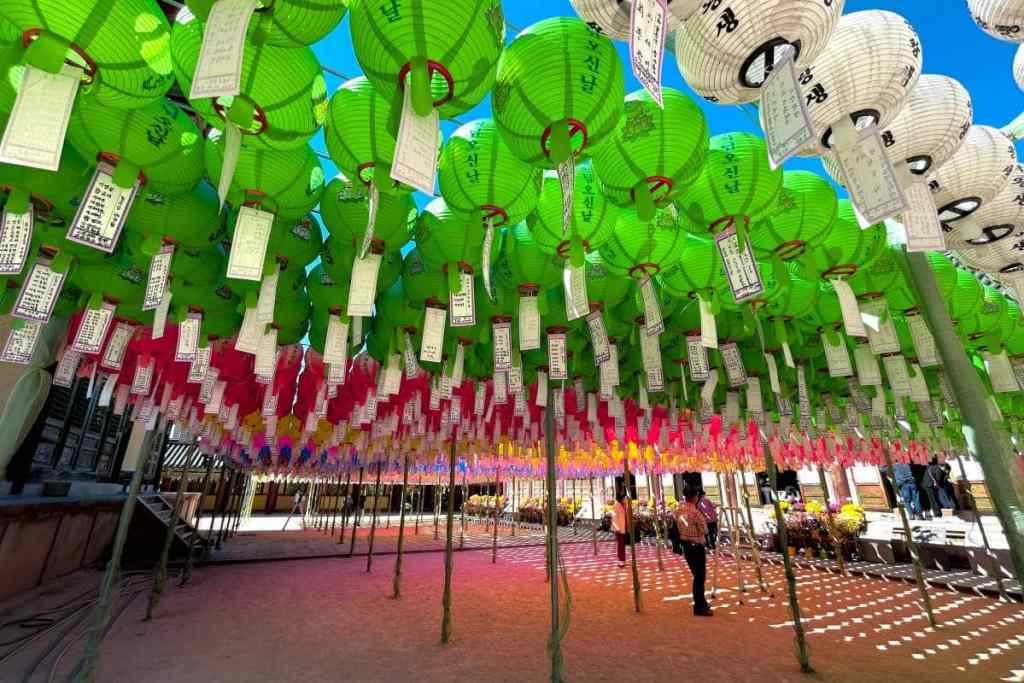
Most temple sites in Gyeongju – and South Korea in general – are free to enter, though there is a small fee to enter Donggung Palace and Wolji Pond (3000W/$2). Likewise, you will need to pay to enter Gyeongju World and the Expo Park – we recommend booking in advance.
Mobile Data
When it comes to keeping connected on trips, we love (and regularly use) Airalo’s e-sims. They’re super easy to set up and will not disrupt your regular mobile phone plan. Better yet, there’s a dedicated South Korea network or a general Asia option if you plan on travelling around.
How Long to Spend in Gyeongju, South Korea
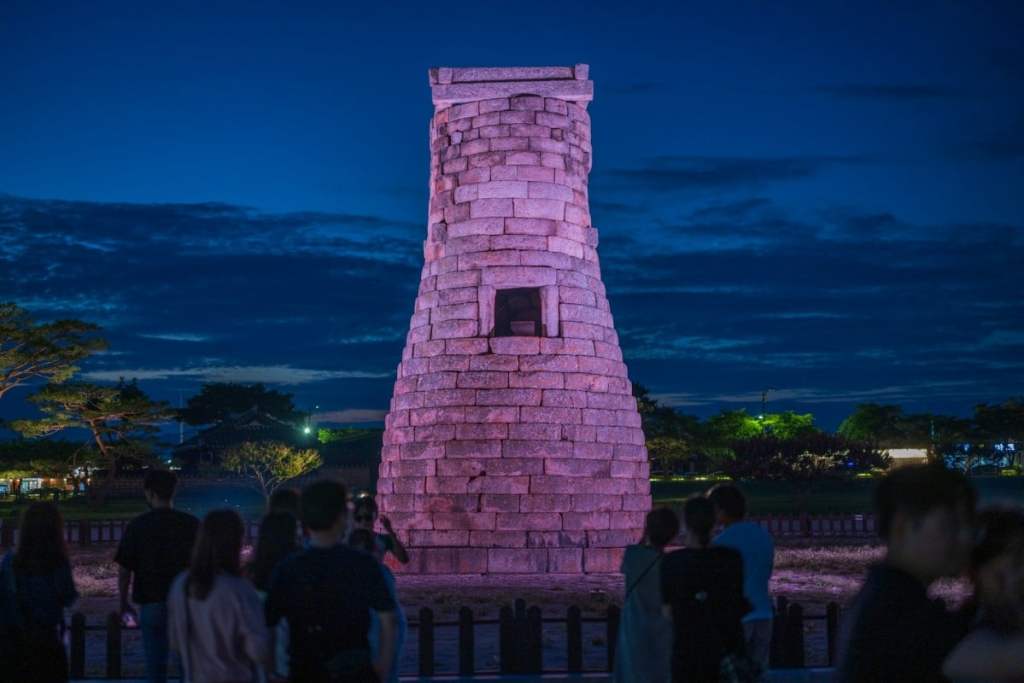
If you have the time, spending two or three days in Gyeongju is perfect. This allows you to explore South Korea’s cultural hub at a leisurely pace. However, we think that Gyeongju also makes for the perfect day trip from Busan or Seoul.
When we were in South Korea, we spent one impromptu day in Gyeongju and covered most sites (we had to skip the theme park, though). We managed to visit Bulguksa Palace, Hwangnidan Street, Donggung Palace and Wolji Pond, and Daereungwon Tomb Complex.
When’s The Best Time to Visit Gyeongju?
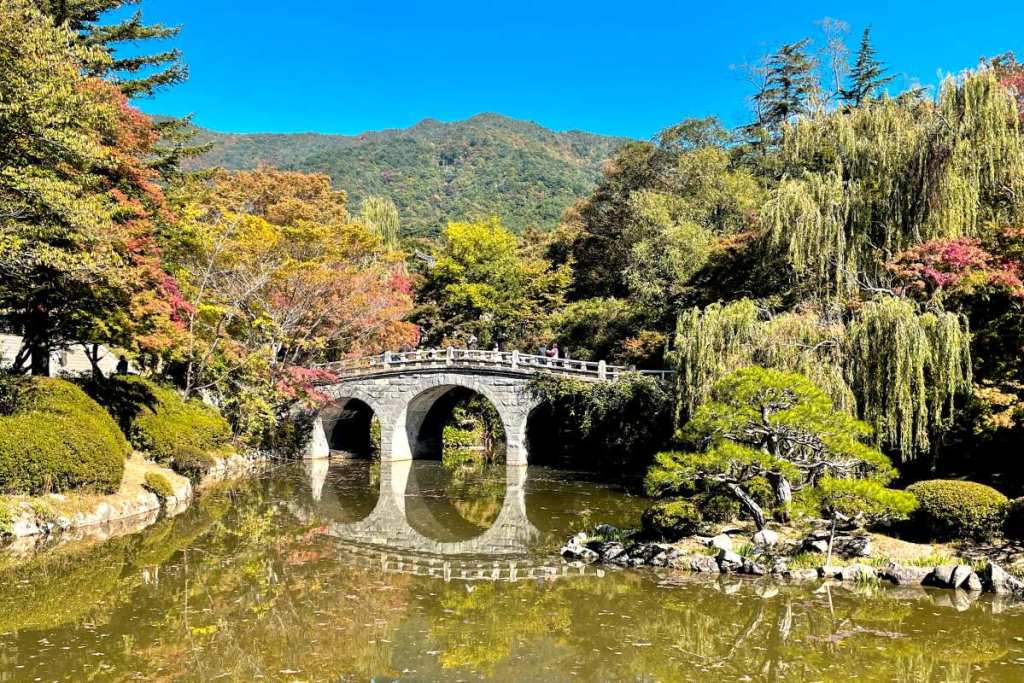
While there’s not really a bad time to visit, we urge you to time your visit to Gyeongju with the Pink Muhly season. Visiting between September and November allows you to enjoy the beautiful fields in all their glory.
We unintentionally visited in autumn and it was incredible. Plus, the weather is still relatively warm at this time of year, which is perfect for wandering around the different temples.
Spring is another great time to visit Gyeongju (we like taking a trip in May). Winter can be very, very cold, while the summer brings heavy crowds of people.
