
14 Incredible Costa Rica National Parks You Need to Visit
Get ready to explore the best national parks in Costa Rica. From active volcanos to beautiful Caribbean beaches, there’s so much to see and do in this stunning part of Central America.
Oh, Costa Rica. We simply adore you. This dreamy country is jam-packed with adventures and stunning wildlife. And nowhere is this more clear than in its national parks.
Wondering how many national parks are in Costa Rica? There’s a whopping 28 to explore. But, don’t worry, we’re going to cover the ones you cannot afford to miss in this guide.
Best National Parks in Costa Rica
Arenal Volcano National Park
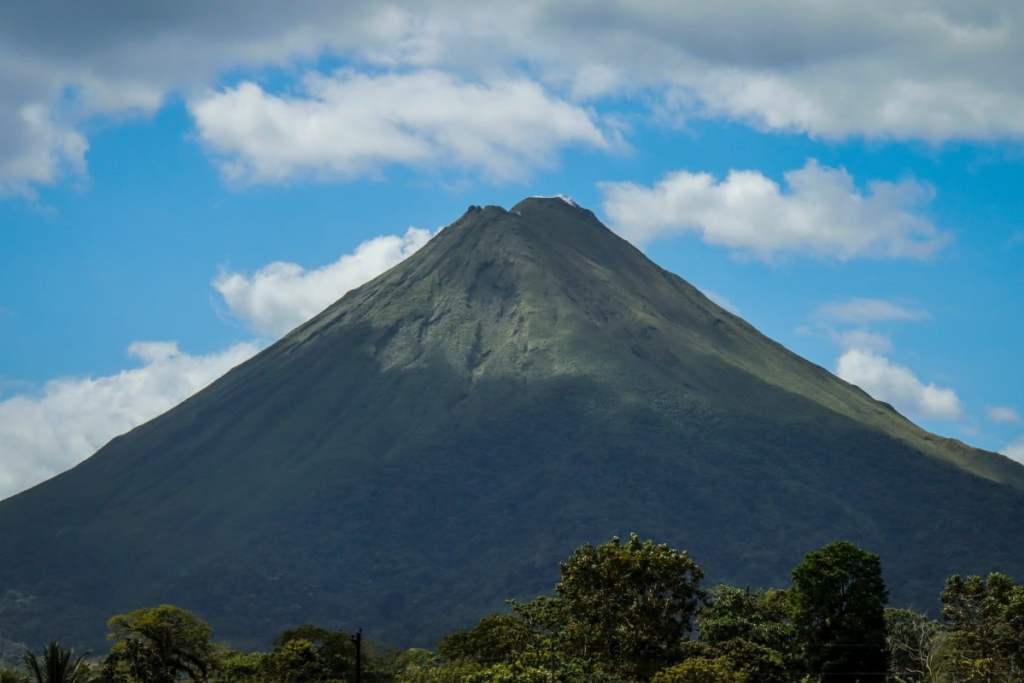
Arenal Volcano towers above the surrounding rainforest.
We couldn’t begin this Costa Rica national park guide with anything other than Arenal volcano National Park.
Nestled in the northern lowlands of Costa Rica, the star of the show is undoubtedly the Arenal Volcano, an iconic stratovolcano that stands proudly against the backdrop of the surrounding rainforest.
Hike the well-maintained trails that wind through the park, and you’ll find yourself immersed in a landscape shaped by volcanic activity. The vibrant greenery contrasts beautifully with the remnants of previous eruptions – you do not want to forget your camera.
After a day of exploration, unwind in the natural hot springs scattered around the base of the volcano. These geothermally heated pools provide the perfect opportunity to relax and rejuvenate while enjoying breathtaking views of the smoking Arenal.
Manuel Antonio National Park
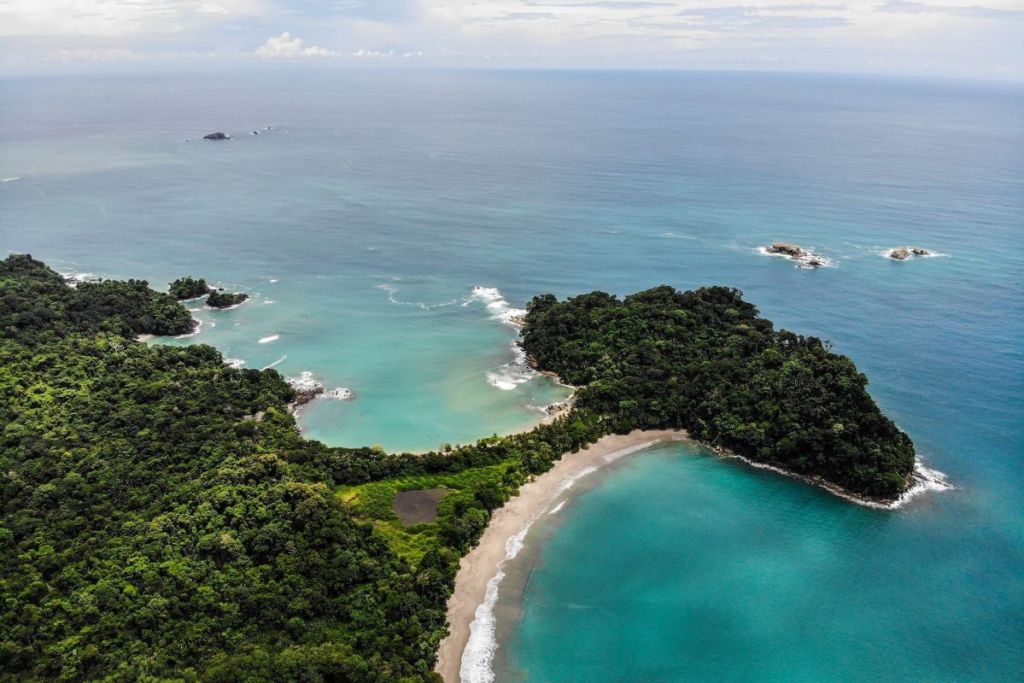
Explore the unique coastline of Manuel Antonio National Park.
Small but mighty, Manuel Antonio National Park offers a stunning fusion of dense rainforest and pristine beaches along the Pacific coast.
Despite its compact size, Manuel Antonio is a biodiversity hotspot. Capuchin monkeys swing from the trees, vibrant butterflies flutter through the air, and exotic birds serenade visitors as they traverse the park’s network of trails. Keep an eye out for the resident three-toed sloths, which often make appearances high in the canopy.
The best part? As you emerge from the canopy, you’re greeted with white-sand beaches and turquoise waters. Whether you’re looking to relax under the shade of palm trees or take a refreshing dip in the ocean, Manuel Antonio’s beaches are an idyllic setting for both relaxation and adventure.
Monteverde Cloud Forest Reserve
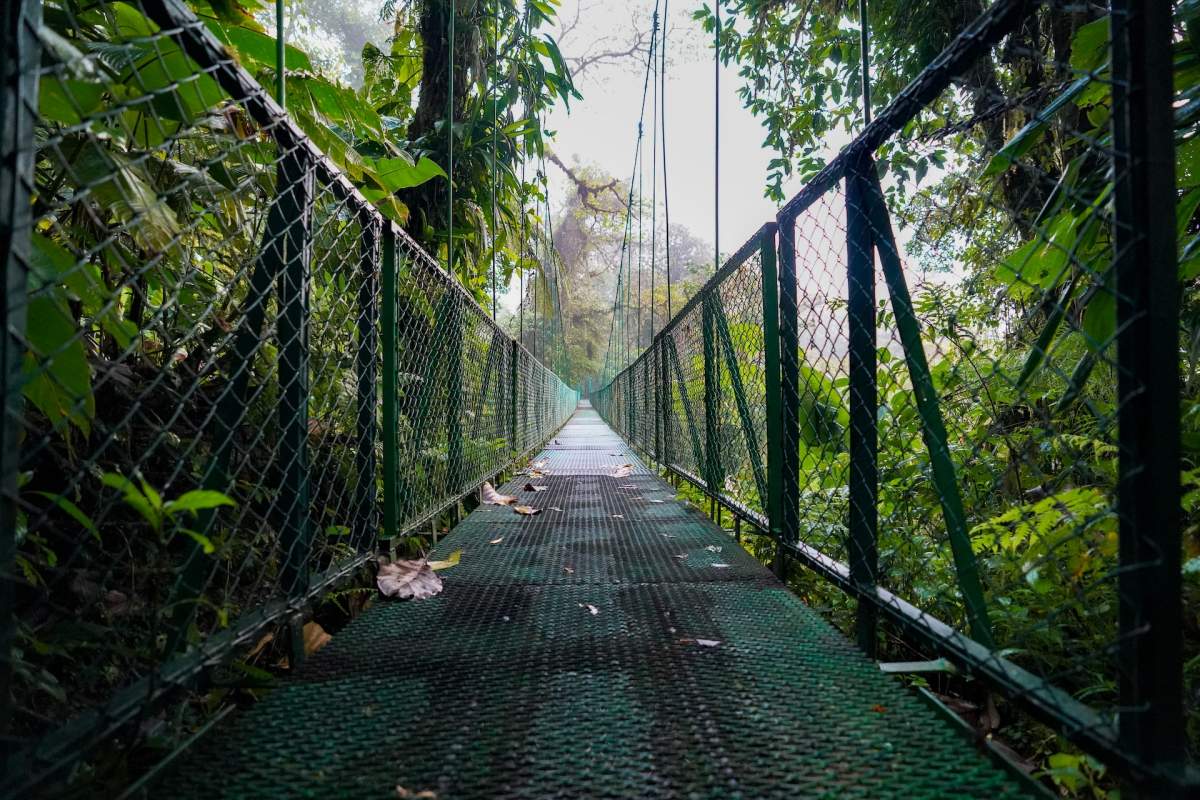
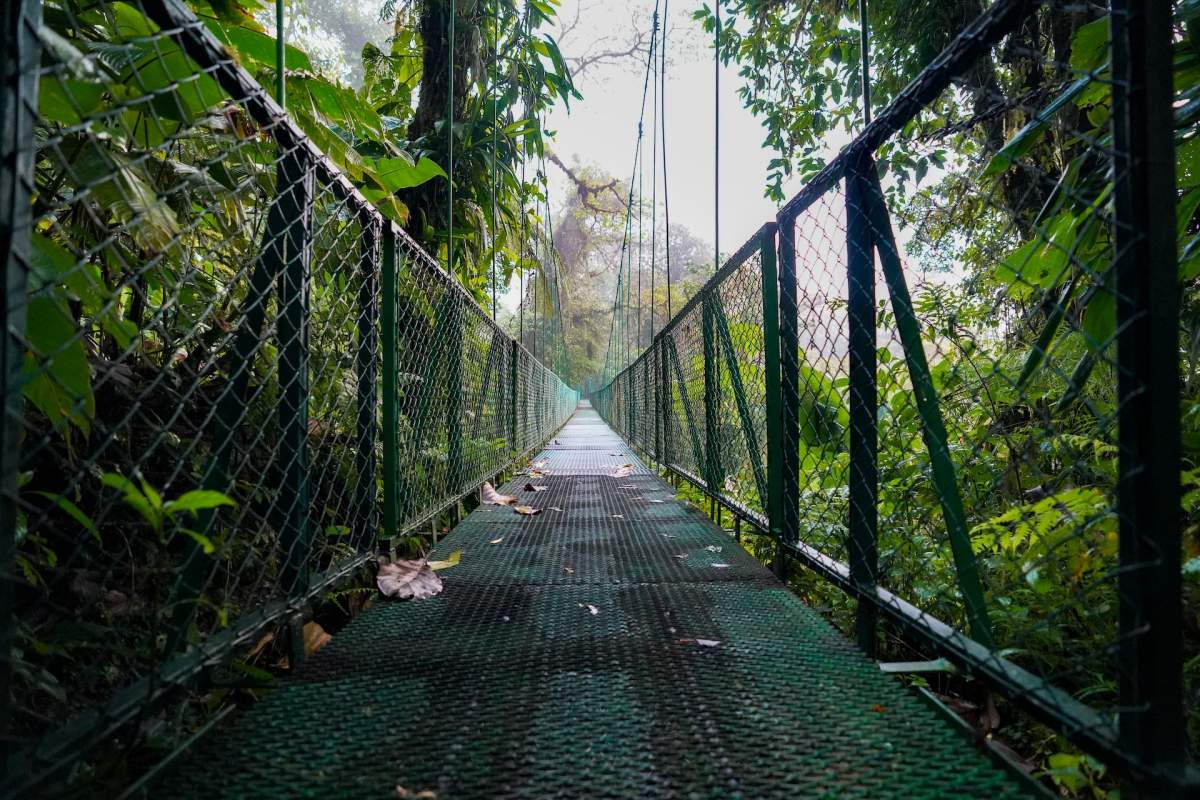
Dare to walk across the hanging bridges elevated high in the cloud forest.
Monteverde Cloud Forest Reserve might not technically be a national park, but it’s still one of the most impressive geographical regions in the country. In other words, you need to visit next time you head to Costa Rica.
Stretching for over 35 thousand acres, this bioreserve encompasses 8 life zones and is home to mammals, amphibians, and birds of all kinds. It’s also one of the only remaining places to see six species of the cat family.
Whether you’re an avid hiker, or you’ve seen the famous hanging bridges doing the rounds on social media and fancy a go, we highly recommend taking the time to visit this reserve. The Hanging Bridges are what Monteverde Cloud Forest is most famous for, but they’re not for the faint of heart. They are extremely high and they do feel a little bit rickety.
And the park gets even more magical when the sun sets. This is the best time to visit if you’re a lover of wildlife as it’s when you can spot sloths, owls, frogs, and tarantulas.
Just make sure you book a tour so that you can head into the jungle with a friendly guide. They’ll be able to give you all the fascinating information about the park’s creatures you could possibly want.
Tortuguero National Park
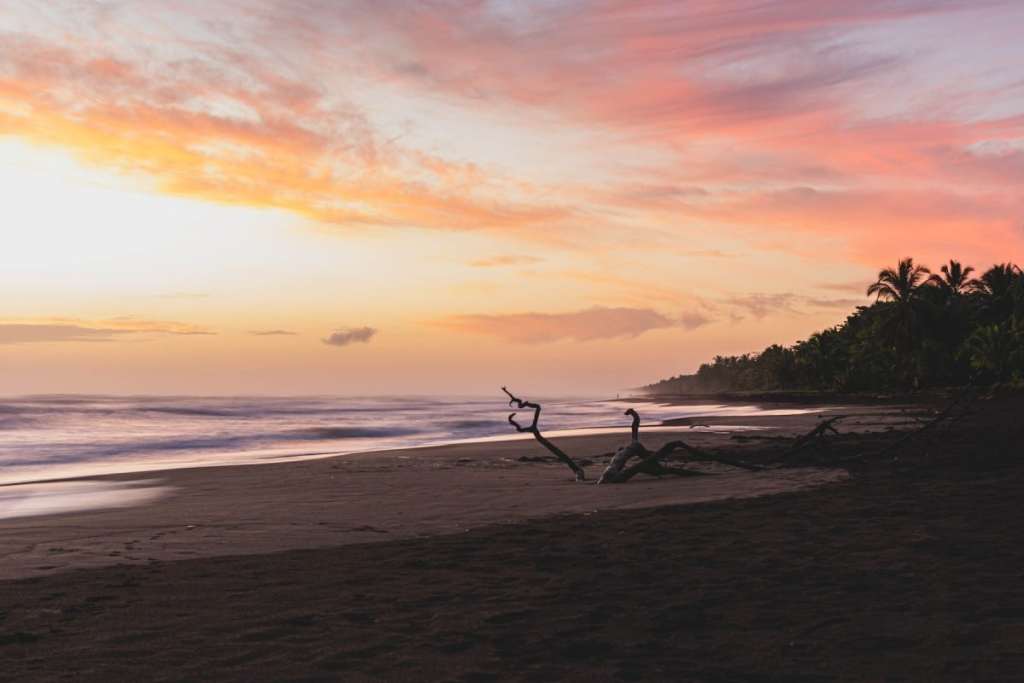
Admire the sunrises along the coast of Tortuguero National Park.
Costa Rica is blessed with both lush jungle and stunning Caribbean coast, and Tortuguero National Park stands out for the latter. This national park stands as a testament to the country’s commitment to preserving its rich biodiversity, particularly the endangered sea turtles that grace its shores.
Tortuguero is renowned for being a vital nesting ground for green sea turtles, leatherbacks, and loggerheads. Visit during the nesting season (July to October) to witness the mother turtles laying their eggs in the dark sand, or return during hatching season (September to November) to see tiny turtle hatchlings make their way to the sea.
Explore the park’s intricate network of canals by boat, where you’ll encounter a variety of wildlife, including caimans, howler monkeys, and a myriad of bird species. The tranquillity of the waterways is a stark contrast to the bustling activity found on the nesting beaches.
Corcovado National Park
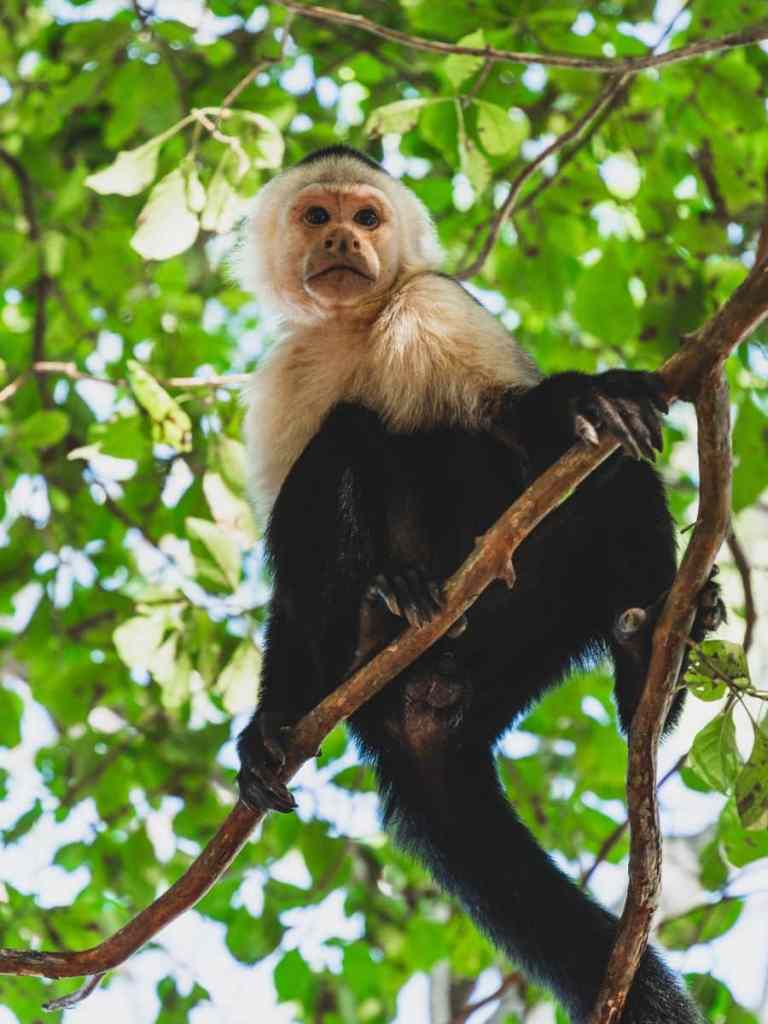
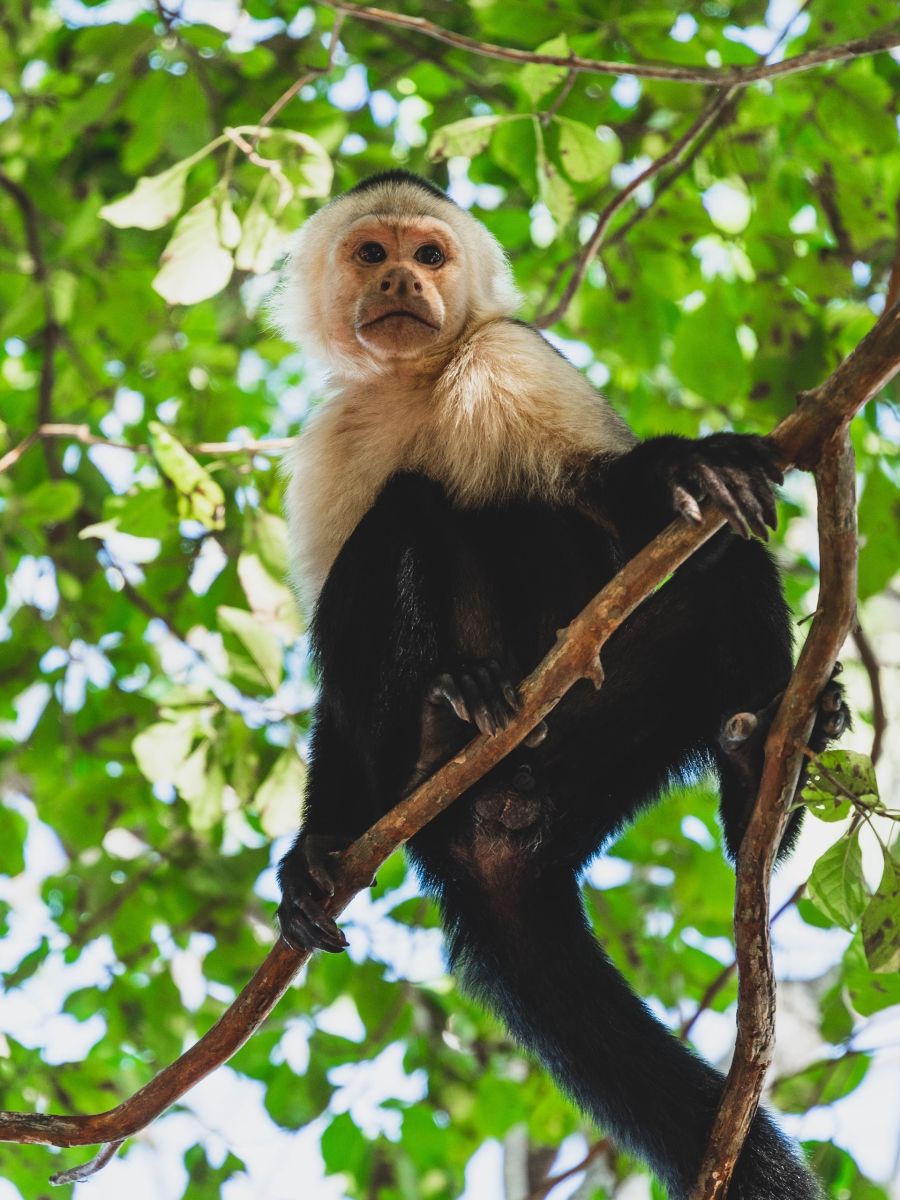
These cheeky Capuchin monkeys hide in the trees of many of Costa Rica’s National Parks.
Situated on the remote Osa Peninsula, Corcovado National Park is one of the Costa Rica national parks not to be missed. We don’t like to play favourites, but we think this might just be our top choice.
Why? Well, Corcovado is often hailed as the crown jewel of Costa Rica’s national parks, boasting over 400 square kilometres of untouched rainforest. As you trek through its trails, you’ll encounter an astounding array of wildlife, from elusive jaguars and tapirs to vibrant poison dart frogs and howler monkeys.
For the adventurous (which is why you’re here, right?), a trek to Sirena Station is a must. This remote ranger station serves as a base for overnight stays, offering a unique opportunity to immerse yourself in the sounds of the jungle at night.
Pssst… Keep your eyes peeled for the bioluminescent glow of fungi and the occasional footsteps of nocturnal creatures.
Palo Verde National Park
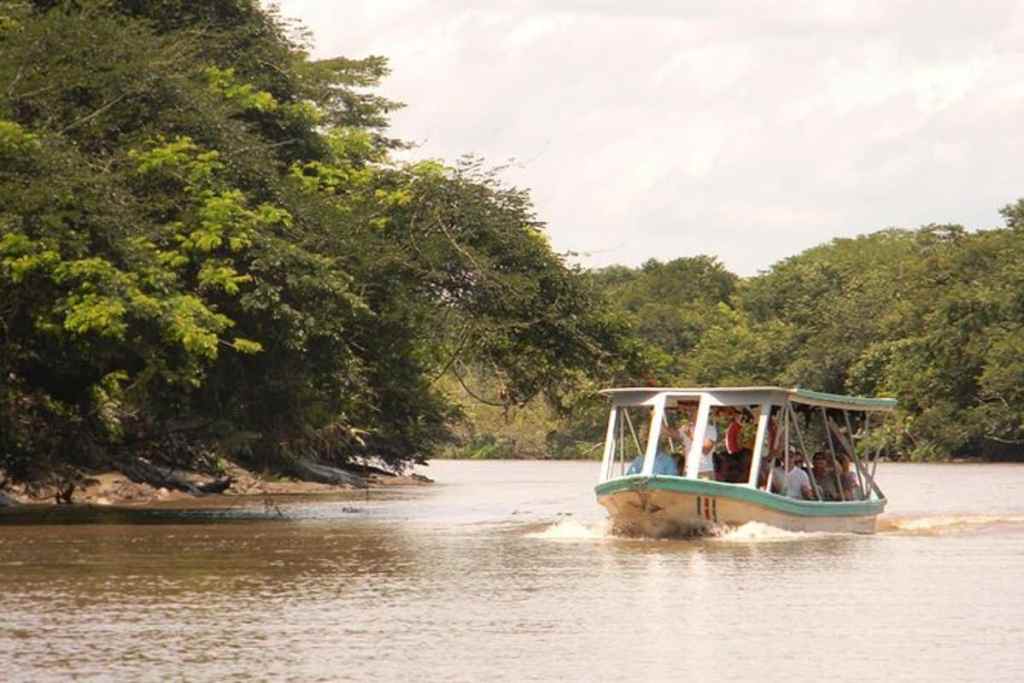
Image credit: Viator
Visiting northern Costa Rica? Palo Verde is a haven for birdlife, so those seeking a wildlife adventure will want to add this park to their Costa Rica itinerary.
Embark on a river safari along the Tempisque River, which winds through Palo Verde’s extensive wetlands. The park’s unique mix of freshwater and seasonal flooding creates an ideal habitat for waterfowl, including roseate spoonbills, ibises, and an array of egrets. Taking a boat tour is the best way to snag an intimate look at this thriving ecosystem.
Palo Verde is a showcase of Guanacaste’s natural beauty. Giant kapok trees cast shadows over the riverbanks, and the park’s floodplains transform into vibrant grasslands during the dry season. It’s a landscape that evolves with the changing seasons, offering a dynamic and ever-changing experience.
Rincón de la Vieja National Park
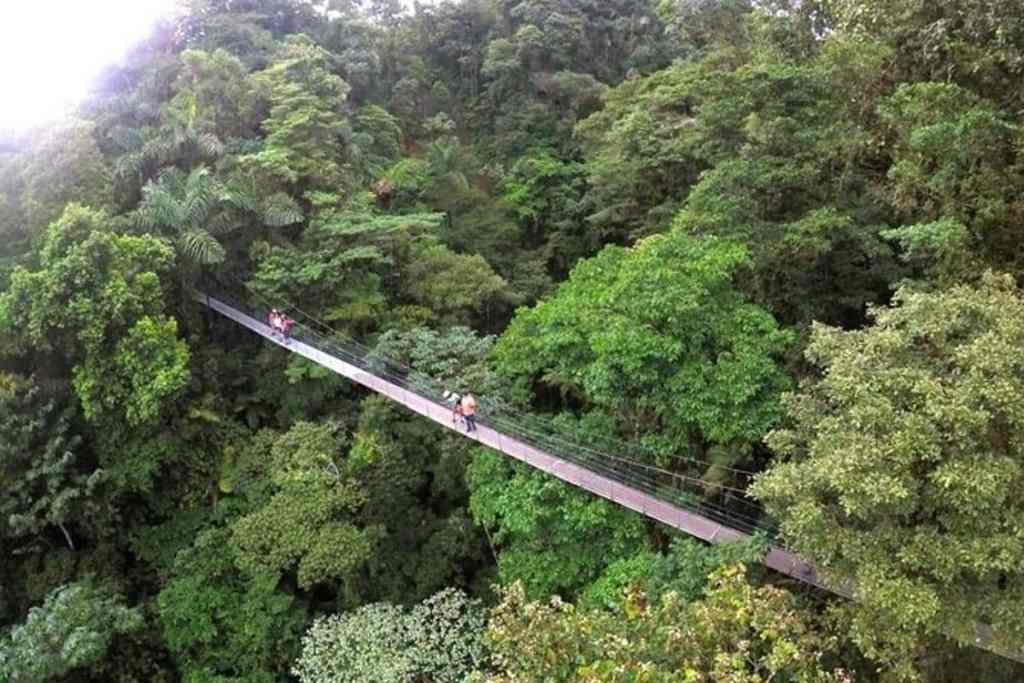
Image credit: Viator
In the northwestern reaches of Costa Rica, Rincon de la Vieja National Park is dominated by a volcano of the same name, a complex of craters, hot springs, and bubbling mud pots.
This national park is filled with incredible hiking trails, dotted with steam rising from fumaroles and the distinct scent of sulphur lingering in the air.
The reward for all your adventurous spirit is a soak in the park’s natural thermal springs or a refreshing swim beneath the cascading waters of La Cangreja waterfall. The balance of fiery volcanic activity and serene water features makes the park one of the most unique national parks in Costa Rica.
Piedras Blancas National Park
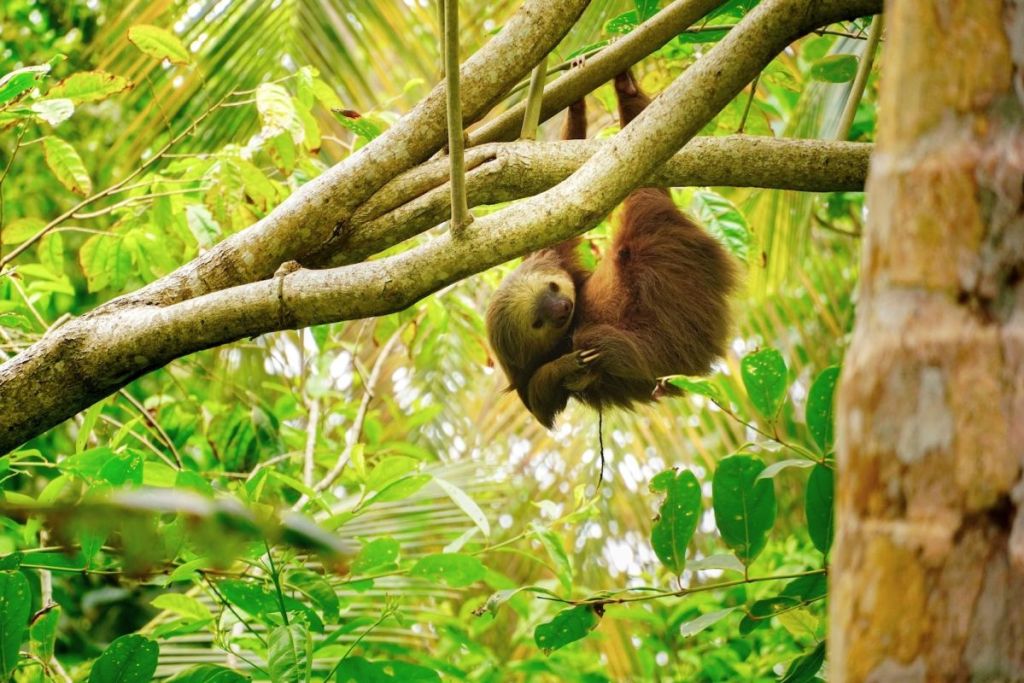
Remember your camera to snap some photos of the adorable sloths.
We’re going to let you in on a major secret here. Less frequented but equally enchanting, Piedras Blancas National Park is a hidden gem along Costa Rica’s southern Pacific coast.
Piedras Blancas seamlessly blends dense rainforest with pristine beaches. The park’s coastline offers a tranquil escape, where you can relax in the shade of towering palms or explore marine life in tide pools.
As you venture inland, keep an eye out for anteaters, sloths, and the resplendent quetzal, which graces the treetops with its vibrant plumage.
Birdwatchers will find themselves in paradise as they navigate the park’s well-maintained trails. Piedras Blancas is a habitat for a plethora of avian species, including toucans, parrots, and the elusive (and extremely cute!) harpy eagle. Expect to be woken by a symphony of bird calls each morning you stay in the park.
Poás Volcano National Park
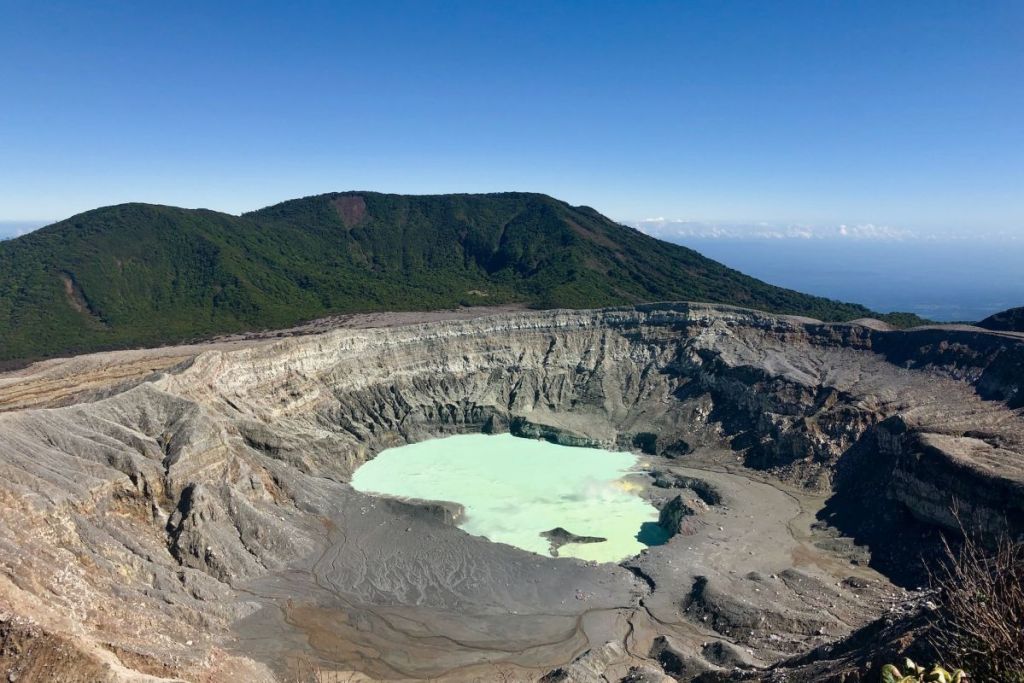
Head to Poás Volcano National Park to witness a barren volcanic landscape.
If you’re staying in San José, the Costa Rican capital, Poás Volcano National Park is an easy-to-reach addition to your itinerary. This park is seriously impressive, offering up a captivating blend of volcanic landscapes and cloud forests.
Poás Volcano, one of the world’s most accessible active volcanoes, takes centre stage. The park’s main crater is a mesmerising expanse of steaming turquoise water. Clouds often swirl around the crater, making for an ethereal photo opportunity.
Beyond the volcanic spectacle, Poás is home to a rich array of plant and animal life. Wander through the cloud forests and encounter elusive bird species like the resplendent quetzal and hummingbirds flitting among the vibrant flora. Make sure to visit the Botos Lagoon, which is nestled in an extinct crater in the park.
Marino Ballena National Park
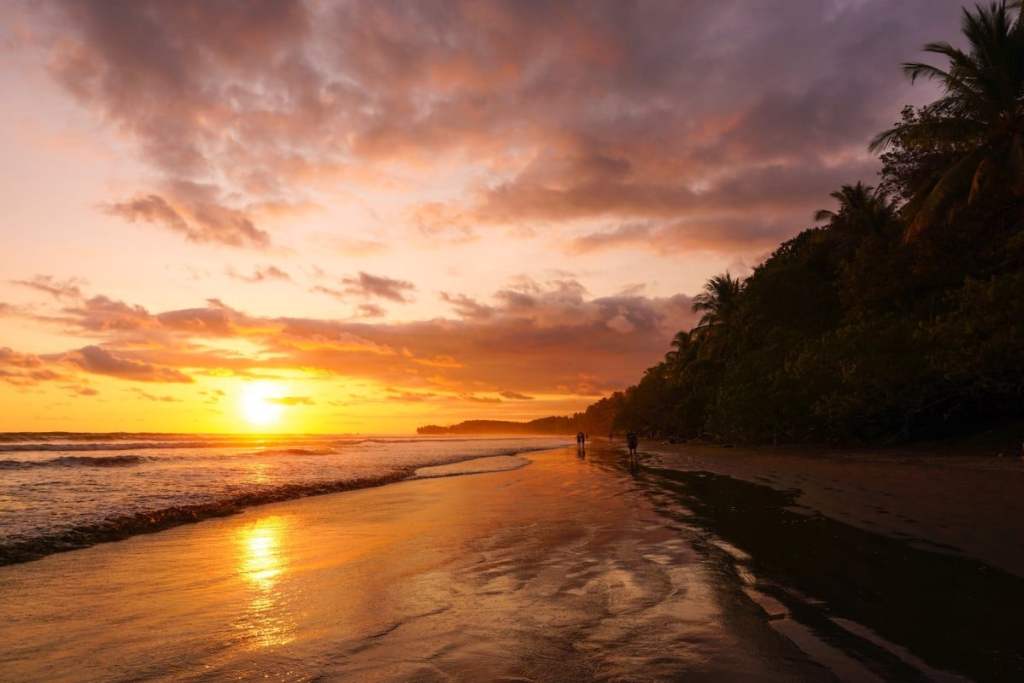
The sunsets at Marino Ballena National Park are magical.
On the Pacific coast, Marino Ballena National Park tempts you to explore the wonders of the ocean, with its unique blend of marine and terrestrial ecosystems.
The park is named after the distinctive sandbar that resembles the tail of a whale. At low tide, you can walk along this natural bridge to witness the convergence of the Pacific Ocean and the Ballena Bay. It’s a breathtaking sight we urge you not to miss.
Underwater enthusiasts will appreciate the park’s coral reefs, offering excellent snorkelling and diving opportunities. Encounter colourful fish, sea turtles, and maybe even humpback whales during their migratory season (December to April and July to October).
Carara National Park
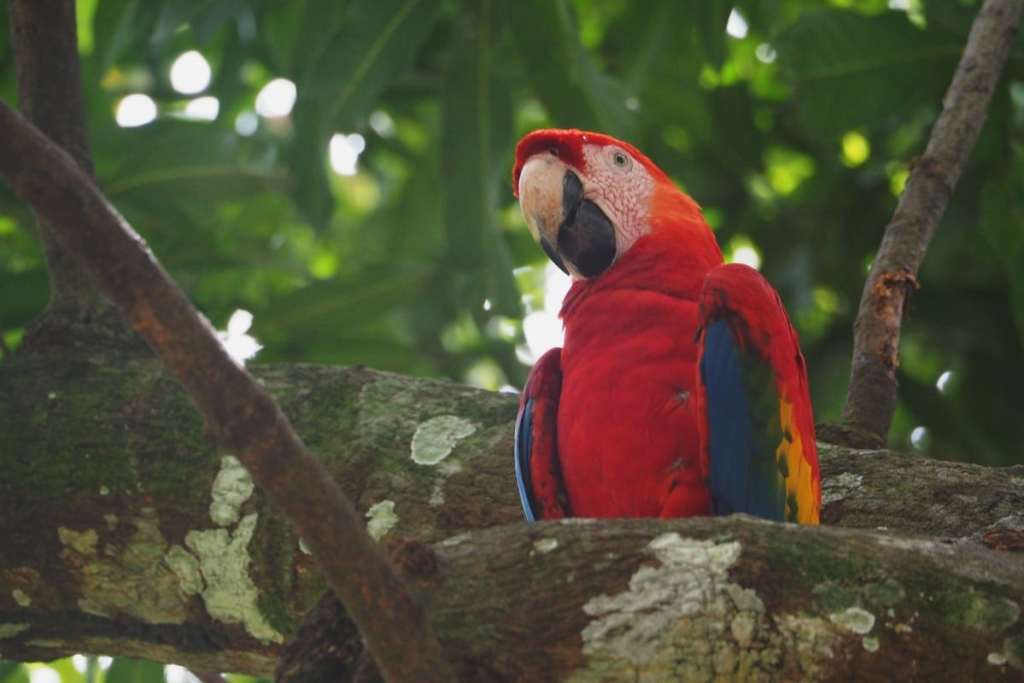
If Macaws are a must spot on your Costa Rican trip, head to Carara National Park.
Tucked between the Pacific rainforest and the dry tropical forest, Carara National Park is a biological bridge that showcases the diversity of Costa Rica.
Carara is renowned for its population of scarlet macaws, and birdwatchers will delight as they soar overhead. In fact, the park’s mix of habitats home a variety of wildlife, including capuchin monkeys, sloths, and the poison dart frog.
Take a boat tour along the Tarcoles River bordering the park for a chance to witness one of the largest populations of American crocodiles in Central America. The juxtaposition of verdant greenery and prehistoric reptiles is pretty magical, if you ask us.
Chirripó National Park
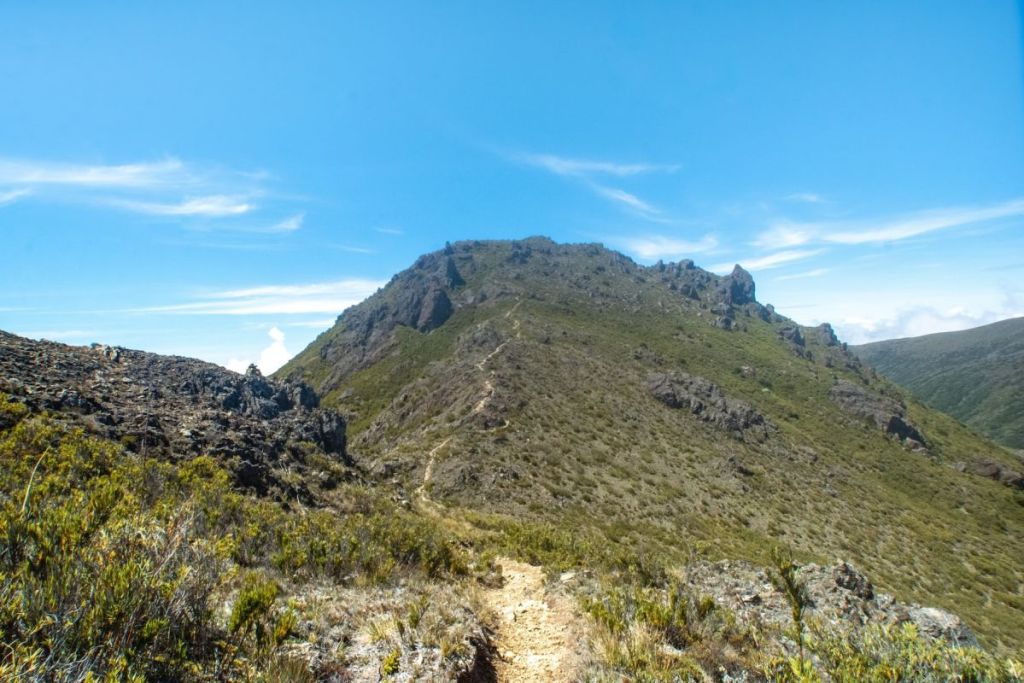
Up for a challenge? Head to Chirripó National Park to climb Costa Rica’s highest mountain.
We wouldn’t be The Adventure Manual if we didn’t recommend the ultimate mountain adventure, Chirripó National Park. This reserve is home to Costa Rica’s highest peak at 3818m. Cerro Chirripo beckons with its rugged landscapes and breathtaking vistas.
The challenging hike to the summit is rewarded with unparalleled views of both the Pacific and Atlantic Oceans. As the sun rises over the peaks, the surrounding cloud forest comes alive with the sounds of awakening wildlife.
Chirripó National Park is a sanctuary for cloud forest ecosystems, harbouring an incredible diversity of plant and animal life. Trek through moss-laden trees and encounter elusive quetzals as you explore the park’s extensive trail network.
While many of the trails are on the challenging side, there are trails available for all levels of ability. Just remember to don your comfiest hiking boots and bring plenty of water.
Cahuita National Park
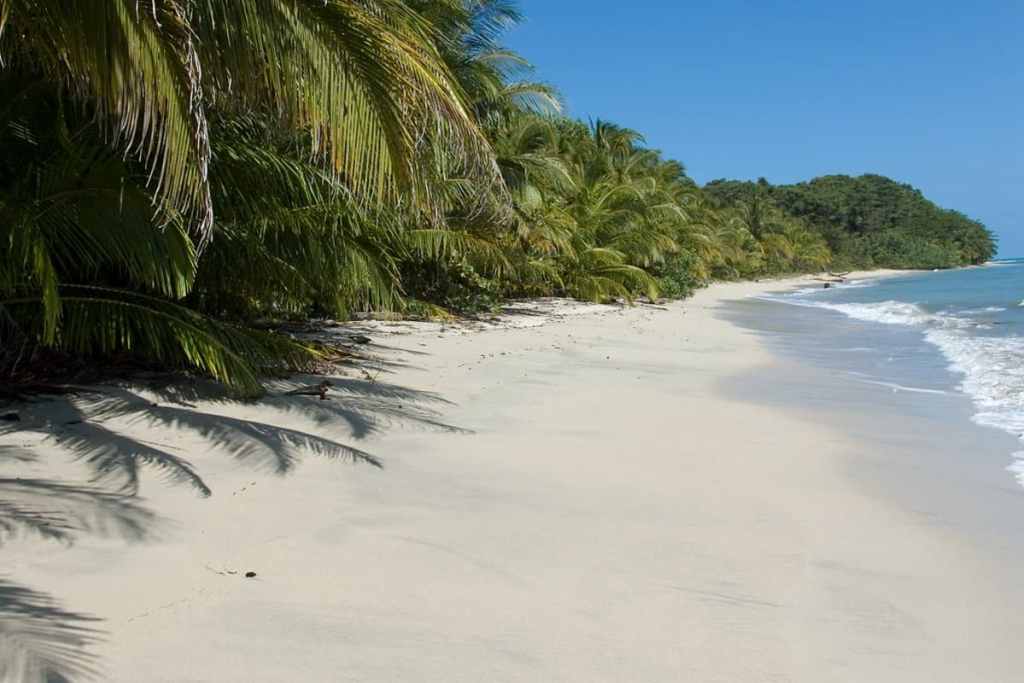
Amazing white beaches, diverse rainforests, and colourful coral reefs – Cahuita National Park has it all.
Another Caribbean coastal beauty is Cahuita National Park. Welcome to a tropical paradise where dense jungle seamlessly transitions into vibrant coral reefs.
If you’re a snorkeler or diver, we guarantee that you will be enchanted by the park’s coral reefs. The vibrant corals provide a backdrop for encounters with tropical fish, sea turtles, and even nurse sharks if you’re extremely lucky.
Prefer to stay dry? The park’s hiking trails wind through dense rainforest, providing opportunities to spot howler monkeys, sloths, and a variety of colourful birds. Or, choose to relax on the pristine white-sand beaches, where the Caribbean Sea provides a stellar backdrop.
Tenorio Volcano National Park
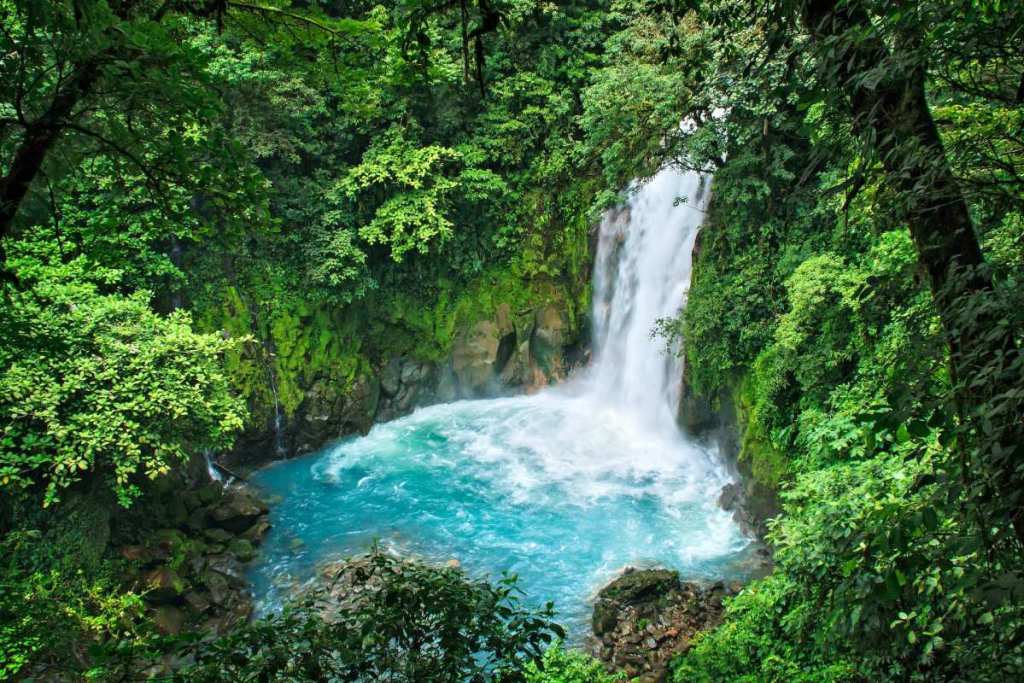
Rio Celeste is a must see in Tenorio Volcano National Park.
In the northern reaches of the country, Tenorio Volcano National Park is captivating. This park is jam-packed with unique geological features, including the mesmerising Rio Celeste.
Rio Celeste is the parks centrepiece. This river boasts strikingly blue waters as a result of the convergence of two clear rivers tinted by minerals from the volcanic soil. The trail to the Rio Celeste waterfall takes you through lush rainforest, revealing hidden hot springs along the way. So, don’t forget your swimsuit.
Beyond the captivating blue river, Tenorio is home to the Tenorio Volcano, an active stratovolcano surrounded by dense forests. Hiking through the park is the best way to see the fumaroles emitting steam and the panoramic views of the surrounding landscapes.
