
The Ultimate 2-Week Costa Rica Itinerary (+ Map)
Discover the beauty of the Pura Vida country with this wonderful 2-week Costa Rica itinerary.
With its lush landscapes and incredible national parks, we think that Costa Rica is one of the most beautiful places on earth. It’s also relatively small, so two weeks is just enough time to hit up the Central American country’s top landmarks and attractions.
This jam-packed itinerary includes volcanoes, cloud forests, snorkelling, ziplining, and plenty more.
The Ultimate Costa Rica Itinerary
Day 1: San José
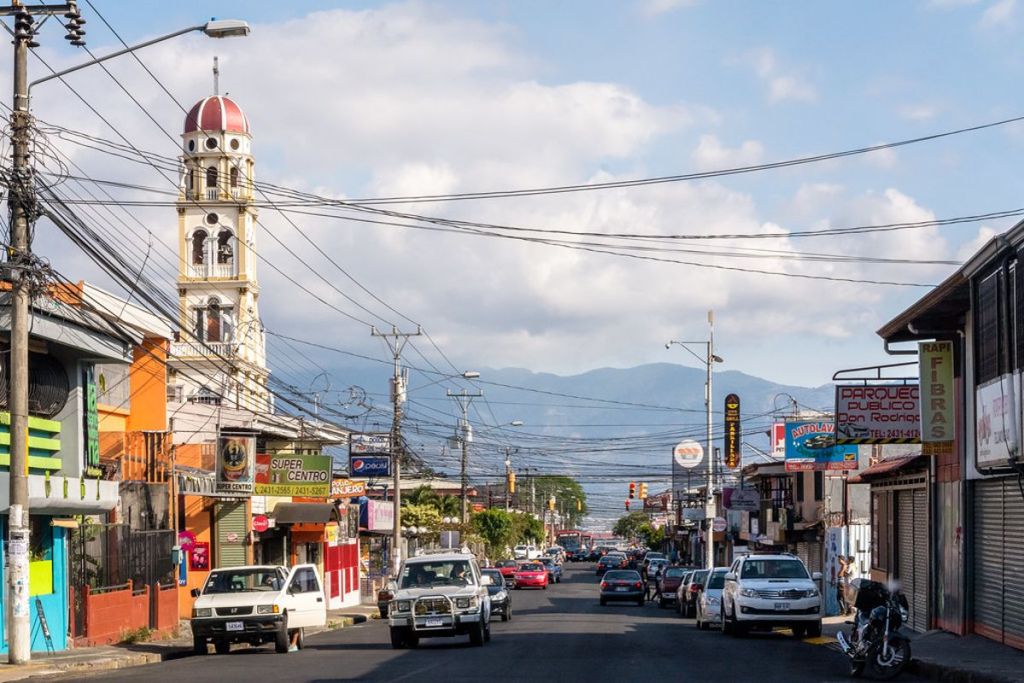
Kick off this epic Costa Rica itinerary in San José. Day 1 is all about sampling the local culture – and food. Explore historic neighbourhoods and admire the charming colonial architecture. Don’t miss landmarks like the National Theater and La Sabana Metropolitan Park.
Don’t stay out too late, though; day 2 requires an early start to see one of Costa Rica’s most popular attractions.


Day 2: Poas Volcano Day Trip
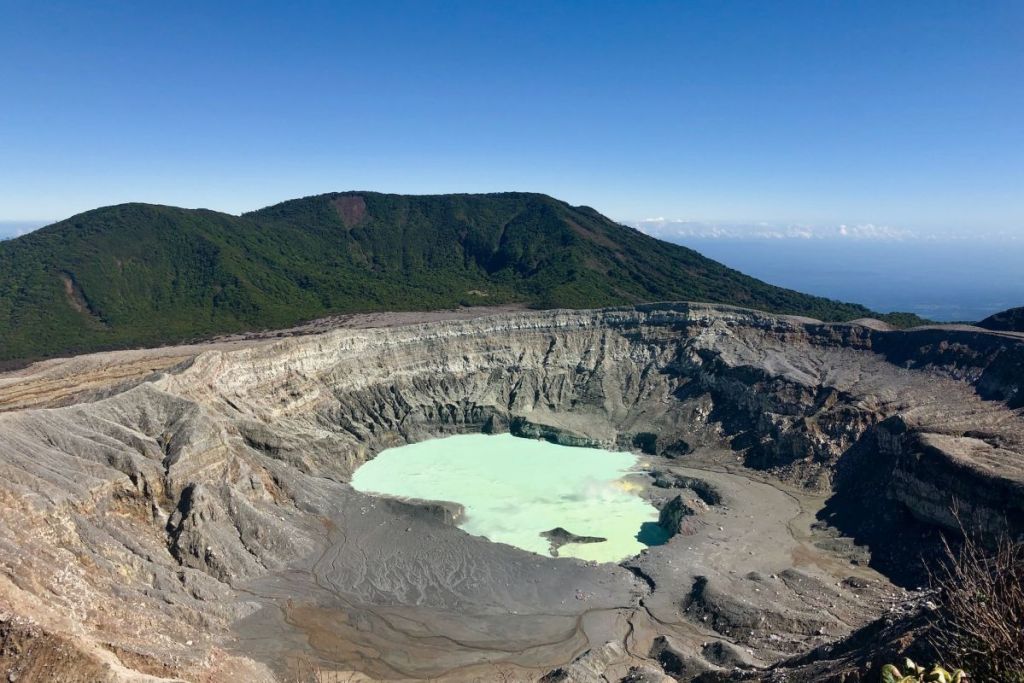
Ready for your first glimpse of rugged Costa Rican landscape?
Head out on a Poas Volcano and Coffee Farm tour, where the journey to the volcano is an experience in itself. As you wind your way through lush, verdant landscapes, keep your eyes peeled for colourful birds and playful monkeys swinging from the branches.
At the end of day 2, head back to your hotel in San José before heading to the southern reaches of Costa Rica in the morning.
Day 3-4: Corcovado National Park
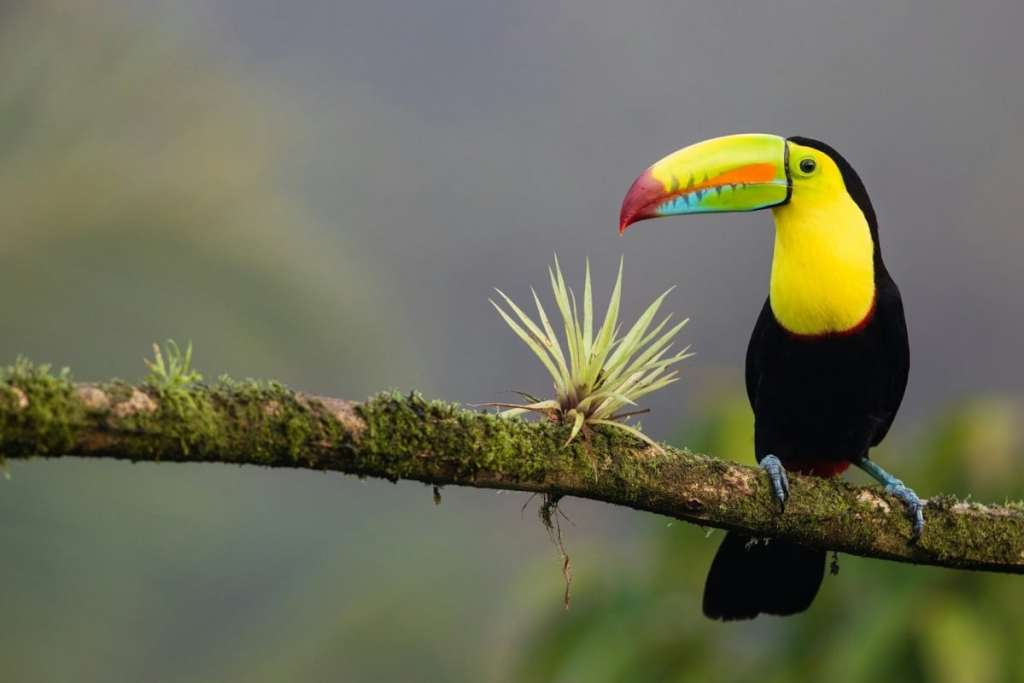
Some people opt to miss out this national park on their Costa Rica itinerary as it can be difficult to reach. But we believe it’s one of the best destinations in Costa Rica, thanks to its impressive wildlife and hiking trails.
Getting from San Jose to Corcovado National Park is pretty easy – you can either take bus 699 to Puerto Jimenez or drive. When you arrive in Corcovado, we recommend booking a hotel in PJ and taking a tour from there.
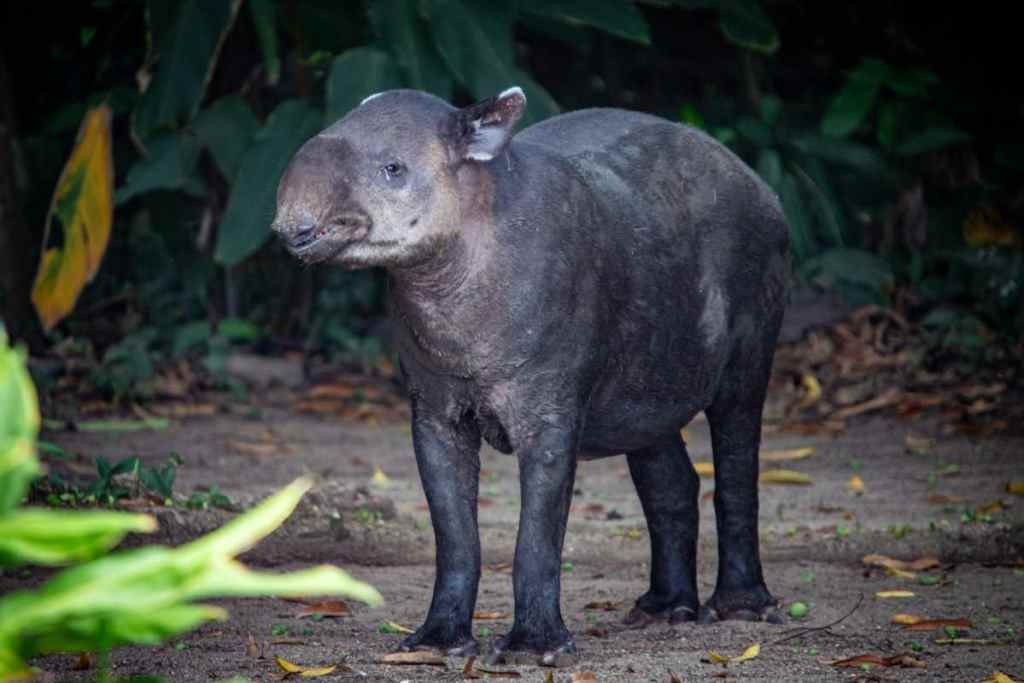
We love this Sirena tour which begins with an early morning boat ride where you might just catch a glimpse of turtles and dolphins. It also includes national park fees and a full guide service (plus lunch!)
You’ll then return back to Puerto Jiménez by 2pm, and can then make your way to Uvita. There are a couple of ways to travel between the two places – you can either take a ferry and then a bus or opt for two buses with a change in La Palma. If you choose to drive, the route takes around 2 hours along Route 244.
A word of warning: You will need to book your Corcovado tour in advance as the amount of people visiting the national park per day is capped at 330. This means that the park will actually feel pretty quiet, as the visitors are required to spread out through Corcovado.
Day 5-6: Uvita
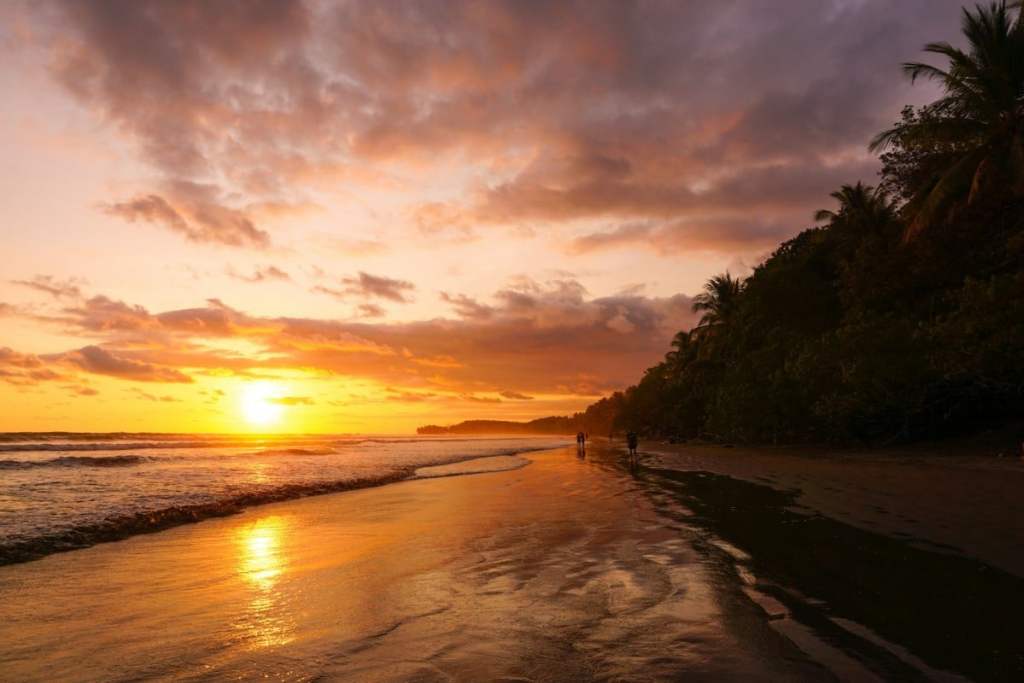
Straddling the Bahía Ballena stretch of coastline, Uvita is known for its whale-tail appearance and abundance of natural beauty. There’s plenty to see and do here, including whale watching, visiting Marino Ballena National Park, and checking out the Nauyaca Waterfalls.
Your best chance at spotting whales is between July and October. You can also see them between December and March but there’s only a 50% chance.
While in the Uvita region, we recommend you stay in Bahia as there are plenty of accommodation options and restaurants where you can grab a bite to eat. You’ll also find surf shops here where you can rent a board before heading to Uvita Beach.
Day 7: Manuel Antonio National Park
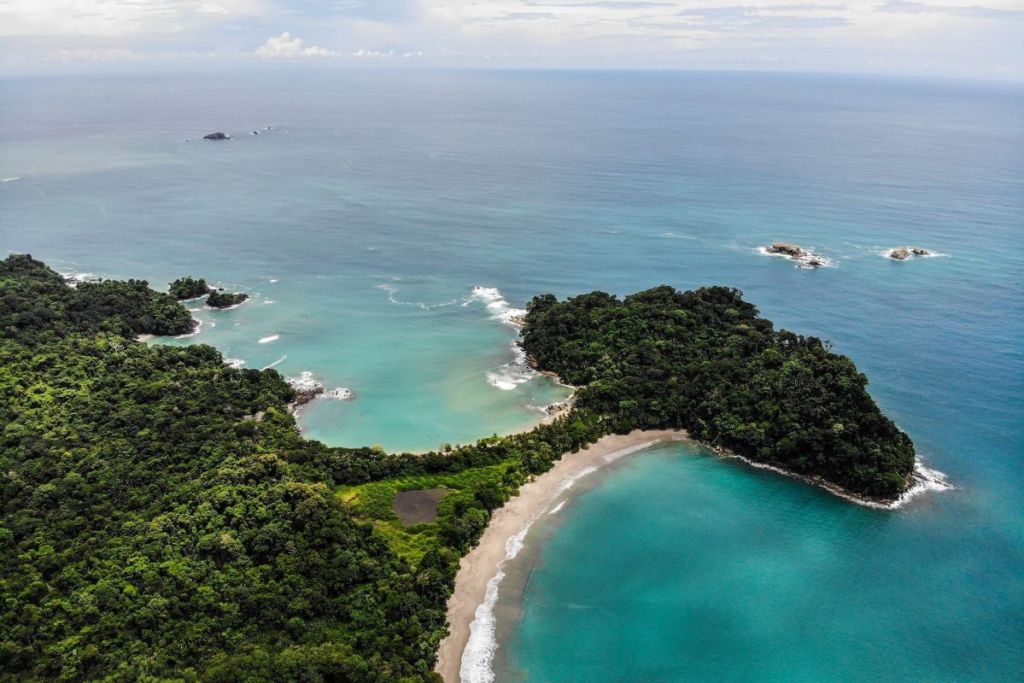
Drive or catch a bus from Uvita to Manuel Antonio on the morning of day 7 – it takes just an hour, so there’s plenty of time to explore in the afternoon.
Head out on a national park tour to spend a few hours totally immersed in nature. Despite being the smallest national park in Costa Rica, it’s one of the most popular. You’ll spot plenty of monkeys, sloths, and toucans, as well as get to enjoy the dreamy coastline.
Stay overnight in Manuel Antonio as it’s a really pretty town with plenty of accommodation options.
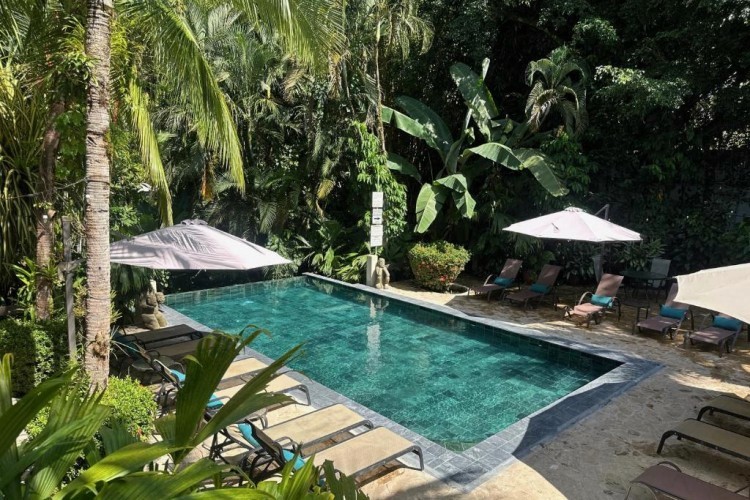
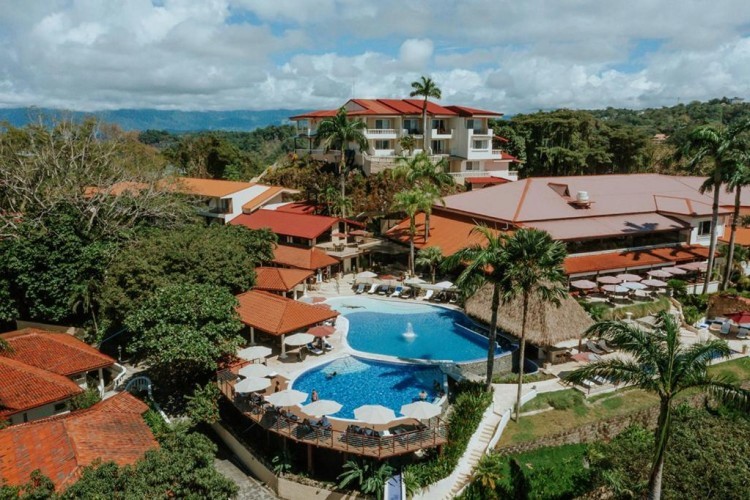
Day 8-9: La Fortuna
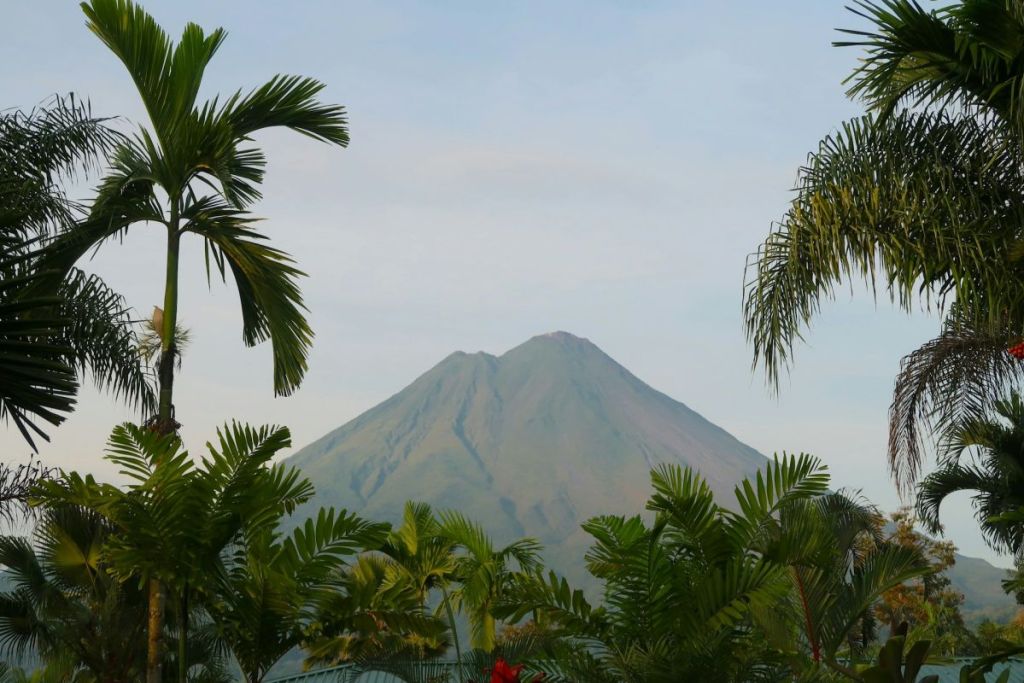
Unless you’re driving, the easiest way to travel between Manuel Antonio and La Fortuna is by taking an Interbus shuttle at 8am. It takes around 5 hours but it’s easier (and quicker) than taking the local buses.
There’s plenty to do in the La Fortuna area, from exploring the waterfall and Arenal Volcano to relaxing in the nearby hot springs. You can book a tour to make sure you get to enjoy everything this region has to offer in just two days.
You should also visit Rio Celeste on a day tour in order to see the country’s most impressive natural wonder. If this interests you, you should read our guide to the best waterfalls in Costa Rica to learn more about the beautiful Rio Celeste.
Day 10: Monteverde Cloud Forest
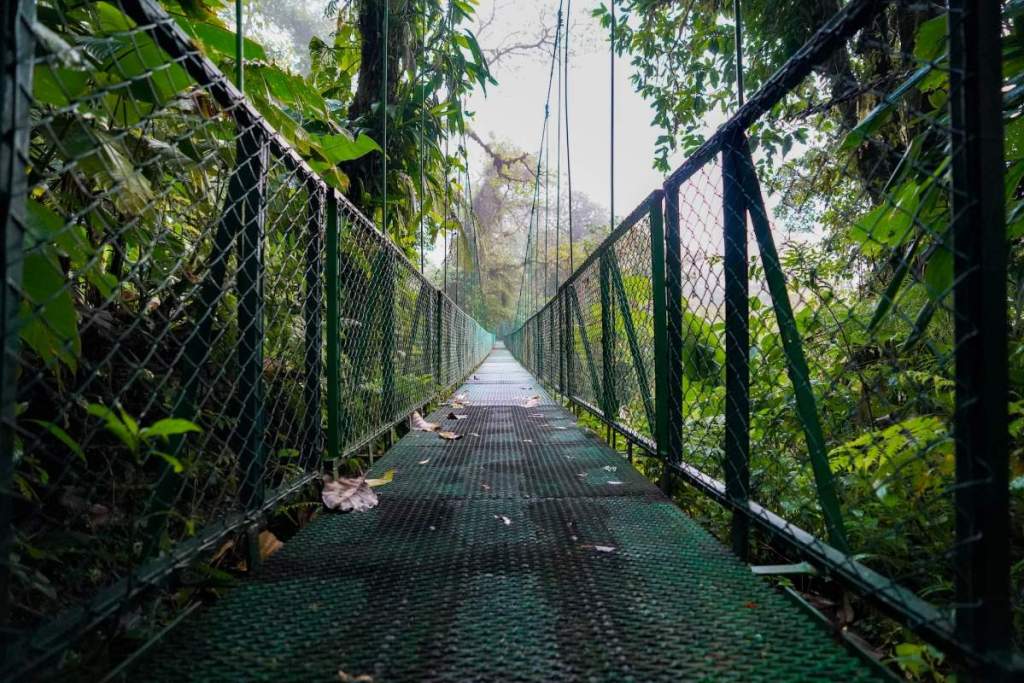
Day 10 might just be our favourite in this Costa Rica itinerary. There’s so much to do inside Monteverde Cloud Forest that you could easily spend three or four days exploring, though one day is more than enough to experience the major attractions: the hanging bridges and ziplines.
Towards the end of the day, make your way to Tortuguero National Park. It’s pretty remote and can be hard to access but driving from Monteverde Cloud Forest takes around six hours.
Top tip: If you’re travelling to Monteverde Cloud Forest by public transport, it might be worth adding an extra day onto your itinerary to give you plenty of time to explore. Driving between La Fortuna and Monteverde is recommended to save time.
Day 11: Tortuguero National Park

Get up bright and early to explore Tortuguero National Park. While you’re here, you can opt for a canoe tour, as much of the wildlife can be seen from the water.
The best time to visit Tortuguero National Park is between July and October when it’s sea turtle nesting season. We highly recommend using the Sea Turtle Conservancy if you want to get involved as they make sure the turtles are safe and protected.
You can swing by the visitor centre if you want to learn more about the Green turtles in Tortuguero, or even book an 8-day program where you can actively participate in their conservation.
Day 12-14: Puerto Viejo, Return to San José
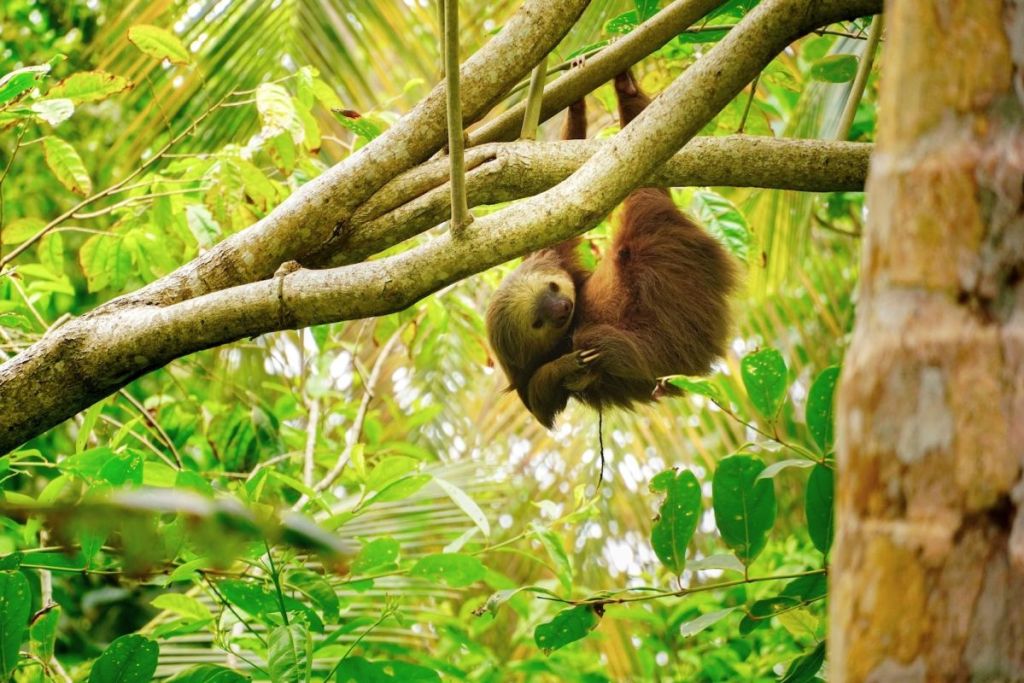
Begin day 12 by travelling from Tortuguero to Puerto Viejo. This spot is right next to Cahuita National Park and is home to a stunning stretch of coastline.
There’s a popular Sloth Sanctuary in the nearby town of Limon if you fancy helping out with these adorable creatures. Or you can head out on a Cahuita National Park and snorkelling tour which also sees you take an epic hike through the rainforest before hitting up the beach for lunch.
On day 14, you can head back to San José by bus (which departs every four hours and takes around five hours to reach the capital) or drive yourself and drop your rental car off in the city.


Costa Rica Trip Costs
Transportation

While you can choose to rely on public transport in most areas of Costa Rica, the easiest way to get around is by rental car.
The average cost of car rental for two weeks in Costa Rica is around £300/$380, which is very reasonable if you’re able to split it between four people. We love using Rentalcars.com as it allows us to compare a variety of vehicles.
If you do choose to use public transport, you can check buses and shuttles on Ride CR or on Willie’s Tours.
Accommodation
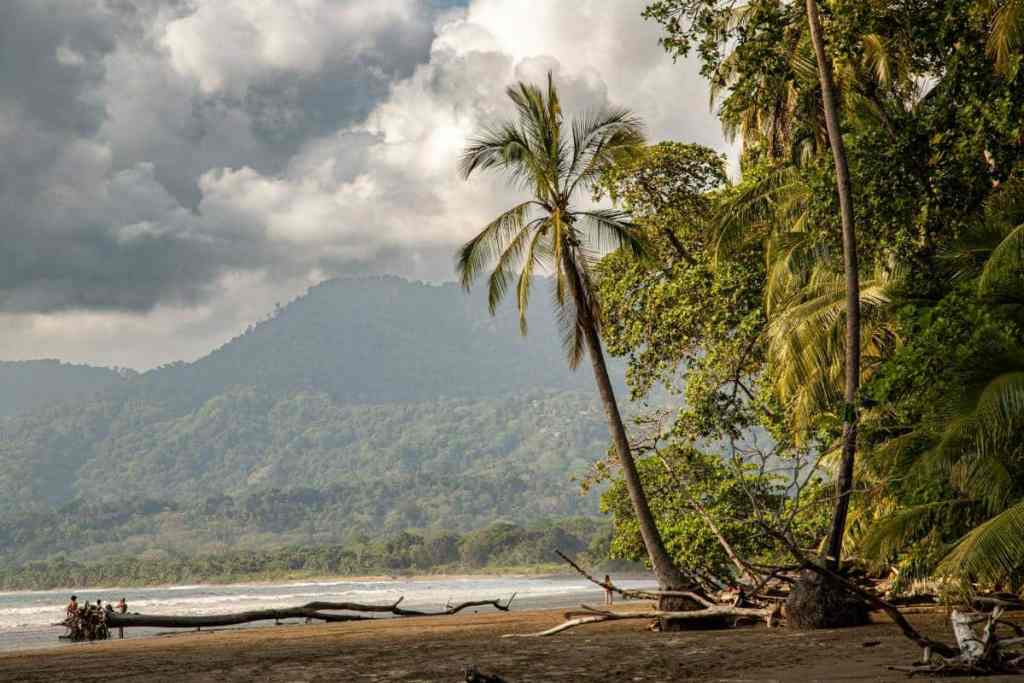
Mid-range accommodation in Costa Rica will set you back between £40-£120/$50-$150 per night. If you opt for a hostel and don’t mind staying in communal rooms, it’s possible to stay somewhere for around £12/$15 per night.
Food
If you’re travelling from the UK or USA, the cost of food in Costa Rica is extremely reasonable. Expect to pay around £24/$30 per person per day in San José and the larger cities, and around half this for food in the smaller, more rural areas.
National Park Fees
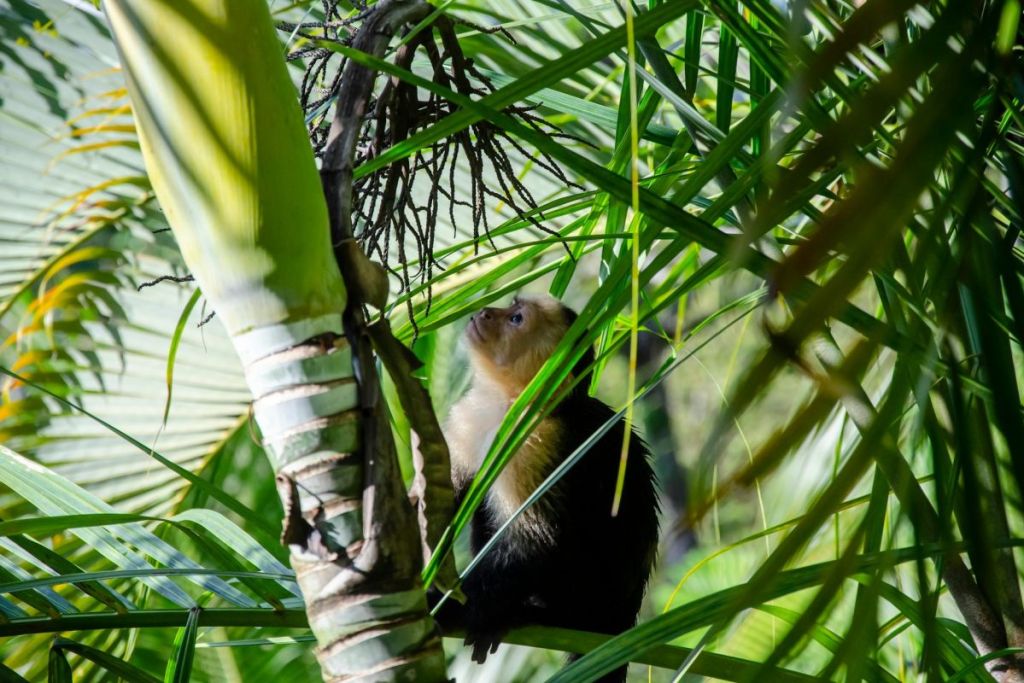
The vast majority of national parks in Costa Rica charge an entry fee in order to maintain the land. It’s worth checking in advance as this will generally range between £8-£16/$10-$20, though this cost will be included in most tours.
Mobile Data
The WiFi in Costa Rica can be pretty spotty and, in rural areas, it can be hard to find. This means that ensuring your mobile data works abroad is crucial.
We always use Airalo’s e-sims as they are easy to install on your phone and work out very cost effective. You can choose between a Costa Rica-only, Latin America, or Global e-sim and top up as you go.
Costa Rica Itinerary: Tips for Your Visit
When is the Best Time to Visit Costa Rica?
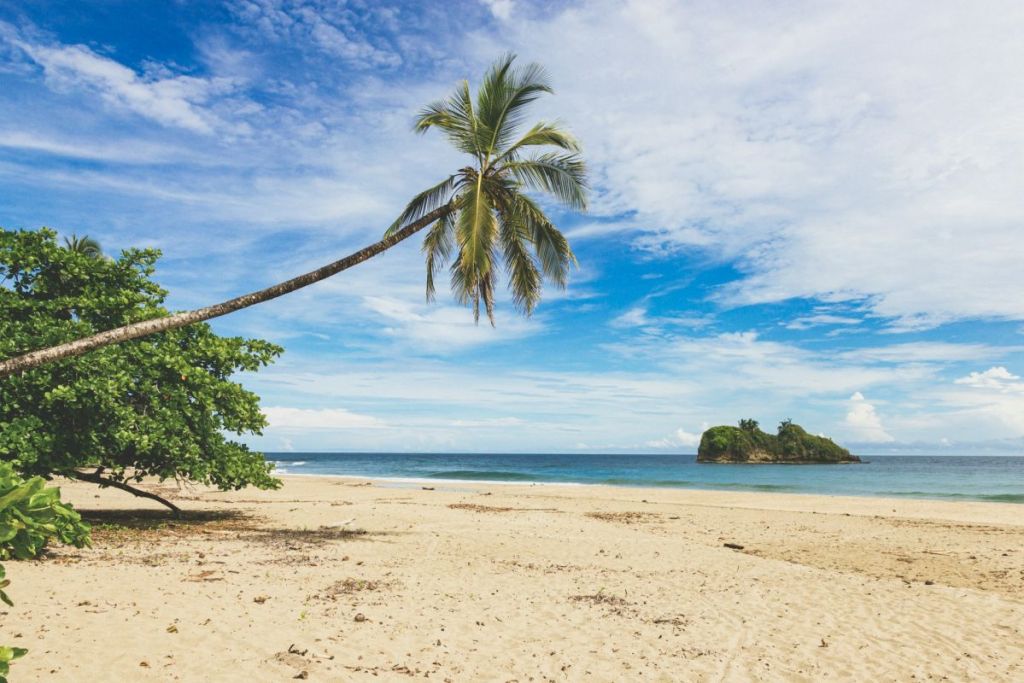
Costa Rica’s tropical climate means that you can visit year-round, but the best time generally depends on the activities you want to do. For lush green landscapes and vibrant wildlife encounters, the rainy season from May to November is ideal – plus they boast fewer crowds and lower prices.
Adventurers seeking adrenaline-fueled activities like white-water rafting and surfing will find peak conditions during these months. Alternatively, the dry season from December to April offers sunny days perfect for exploring beaches, hiking trails, and national parks.
Is Costa Rica Safe?
Costa Rica boasts a reputation as one of the safest countries in the region. While petty theft can occur in tourist-heavy areas, exercising caution and basic common sense can greatly mitigate any risks. Embrace the Pura Vida lifestyle, be vigilant with your belongings, and immerse yourself in the wonders of this beautiful country.
